Introduction: The Universal Language of Entertainment
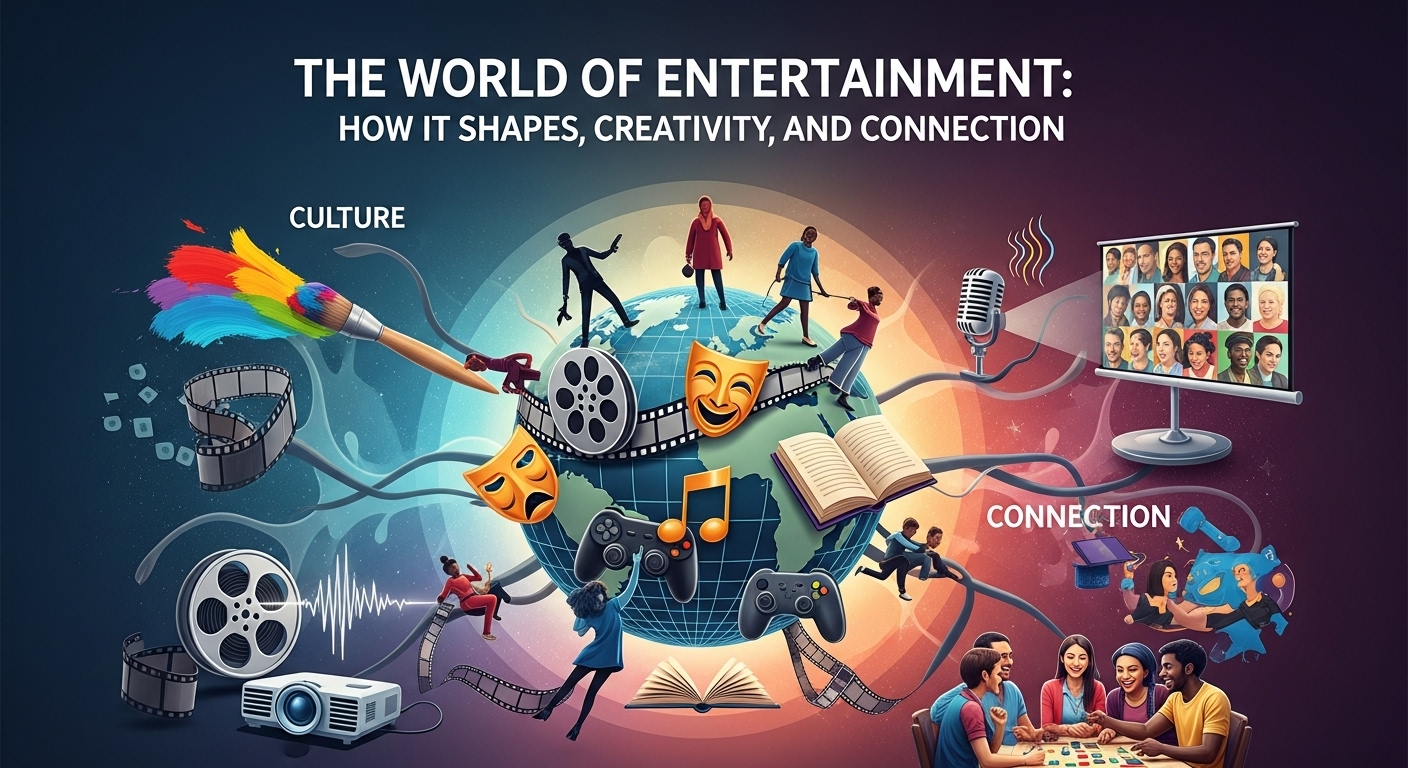
Entertainment is more than just a way to pass time—it is one of the most powerful expressions of human creativity and emotion. Across centuries, societies have used entertainment to celebrate, to reflect, and to escape. It has evolved from simple performances under open skies to billion-dollar productions streamed instantly across the world. Whether through music, movies, sports, art, theater, or digital content, entertainment has always been the heartbeat of culture. It defines generations, unites communities, and provides comfort during difficult times. In today’s world, where technology and creativity blend seamlessly, entertainment continues to shape how we experience life.
The Historical Roots of Entertainment
The earliest forms of entertainment date back thousands of years. In ancient civilizations, storytelling was a communal experience that connected people to their heritage. Before written language, stories were passed down orally, through music and dance. The ancient Egyptians used theater-like performances to honor gods, while the Greeks built amphitheaters where plays explored themes of love, tragedy, and morality.
During the Roman Empire, grand spectacles in coliseums entertained massive crowds, while minstrels and jesters performed for royalty in medieval Europe. As societies advanced, entertainment became not only an art but also a reflection of culture and power. Each generation added new dimensions—opera, ballet, circuses, and eventually cinema.
The Birth of Modern Entertainment
The Industrial Revolution introduced a new era for entertainment. Urbanization brought people together in large numbers, and technological innovations made performances more accessible. The invention of photography and motion pictures in the 19th century laid the foundation for modern cinema. Suddenly, entertainment could be recorded, replayed, and shared beyond physical boundaries.
The early 20th century witnessed the golden age of Hollywood. Films evolved from silent motion pictures to talkies, transforming the film industry forever. Stars emerged, studios flourished, and cinema became a dominant cultural force. Meanwhile, radio and later television entered homes, revolutionizing how audiences consumed stories. Families gathered around these devices, creating shared moments of joy and connection.
The Power of Storytelling in Entertainment
At its core, entertainment thrives on storytelling. Whether in movies, songs, or video games, stories capture the imagination and emotions of audiences. A good story has the power to make people laugh, cry, reflect, and dream. It allows us to live multiple lives through the eyes of characters and teaches lessons about love, courage, and resilience.
From ancient myths to modern blockbusters, storytelling remains the soul of entertainment. What has changed is the medium. Today, digital platforms allow storytellers to reach global audiences instantly. Filmmakers, writers, musicians, and content creators all contribute to a shared narrative that reflects the diversity and complexity of the modern world.
The Evolution of the Film Industry
Film has been one of the most influential pillars of entertainment. Since the early days of black-and-white silent movies, cinema has evolved into a sophisticated art form blending technology and creativity. The mid-20th century saw the rise of color films, special effects, and global distribution. Directors began using cinema not just for storytelling but for artistic expression and social commentary.
The late 20th and early 21st centuries witnessed another revolution—digital filmmaking and streaming platforms. Audiences no longer had to wait for theater releases. Movies could be watched anytime, anywhere. This shift democratized entertainment, giving independent filmmakers a platform to reach audiences without massive studio backing. The film industry continues to evolve, with virtual production, computer-generated imagery, and artificial intelligence redefining what is possible on screen.
Television and the Rise of Global Programming
Television changed how people experienced entertainment at home. From sitcoms to soap operas, TV became an integral part of daily life. Iconic shows shaped generations, creating shared cultural references. The arrival of color broadcasting and satellite television expanded content diversity, introducing viewers to news, sports, music, and global culture.
In the digital age, streaming platforms have redefined television. Traditional schedules have given way to on-demand viewing, where entire seasons can be watched in one sitting. Series now rival movies in quality, and audiences enjoy the flexibility to watch across devices. Television has become more inclusive, with international shows gaining worldwide acclaim and breaking linguistic and cultural barriers.
The Role of Music in Entertainment
Music is the heartbeat of human emotion. It transcends language and culture, connecting people in a way few other art forms can. From ancient drumbeats to symphonies and modern electronic beats, music has evolved alongside humanity itself.
In the 20th century, music became a global phenomenon. Jazz, rock and roll, hip-hop, and pop defined eras and movements. Musicians became icons, shaping fashion, language, and attitudes. The arrival of digital music players and streaming services revolutionized access to music, allowing listeners to explore global genres from anywhere. Today, artists can reach millions of fans directly, using social media to share their work and interact with audiences in real time.
Music is not just entertainment—it is emotion, memory, and identity. It celebrates joy, expresses sorrow, and gives voice to the human experience.
Gaming: The Interactive Revolution
Video games have transformed entertainment from a passive activity to an interactive experience. What began as simple pixelated games has evolved into immersive worlds where players can explore, compete, and create. Gaming combines storytelling, art, and technology, offering experiences that rival films and literature in emotional depth and creativity.
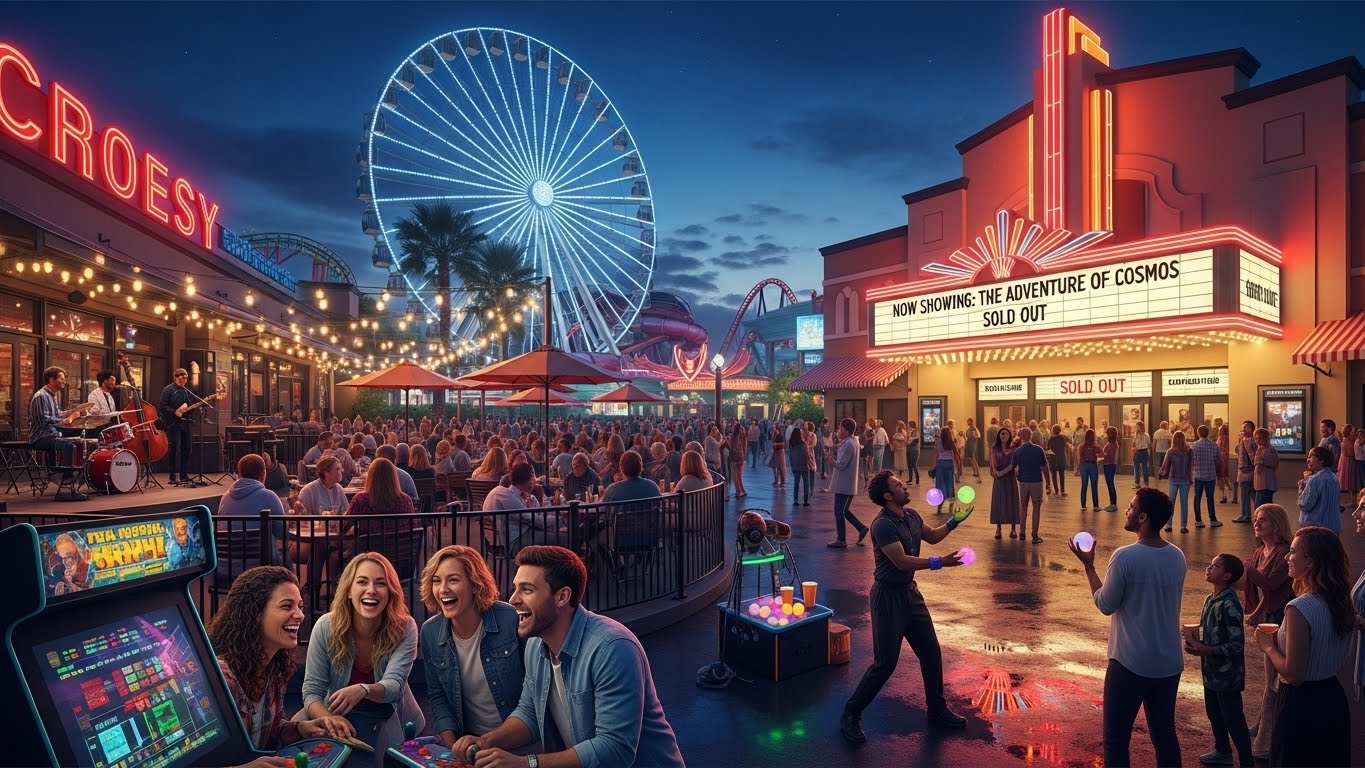
The rise of esports has turned gaming into a spectator sport, with global tournaments, sponsorships, and millions of viewers. Virtual and augmented reality are pushing the boundaries further, allowing players to step directly into the game world. Gaming communities foster connection, collaboration, and creativity, proving that interactive entertainment is not just a pastime—it is a cultural movement.
Theater and Performing Arts in the Modern Age
While technology dominates modern entertainment, traditional art forms like theater continue to thrive. Theater offers a unique emotional connection between performers and audiences. Each performance is alive, unpredictable, and deeply human.
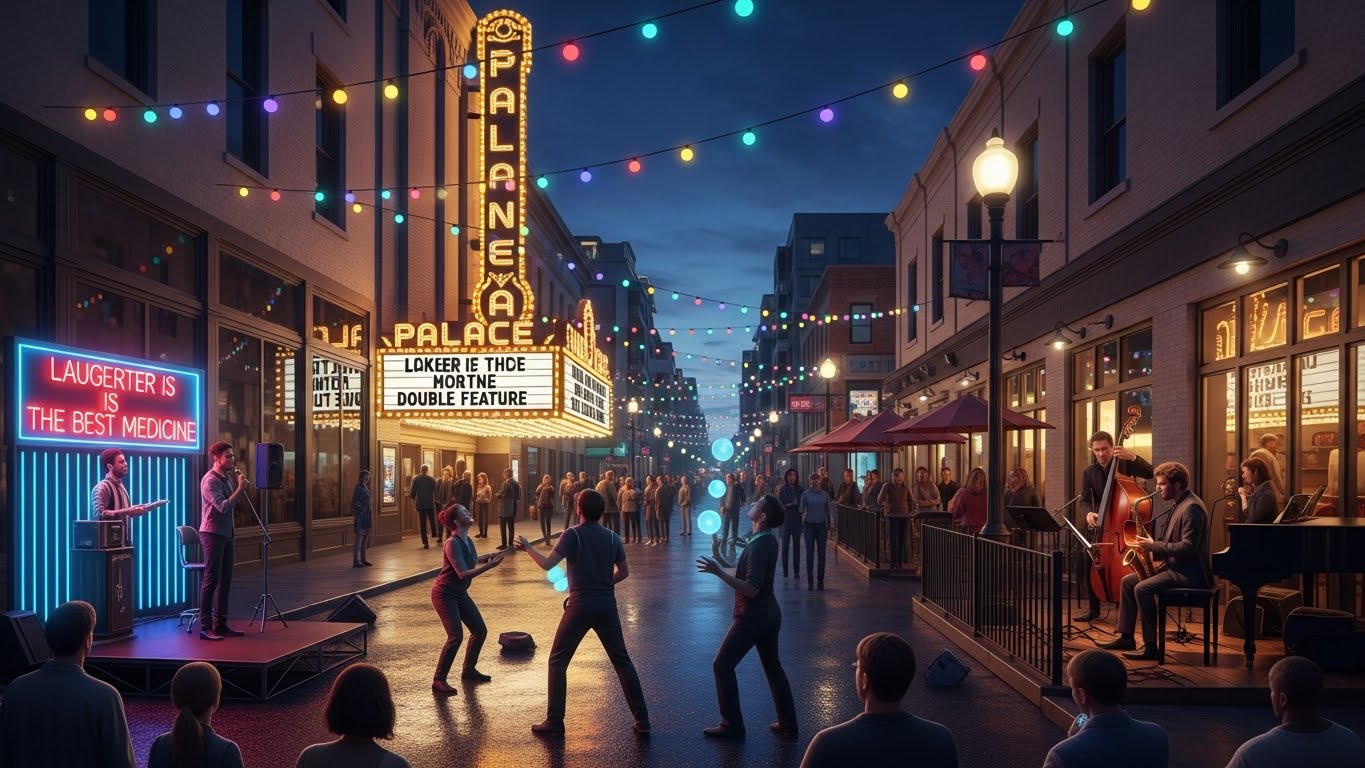
Broadway and other theater hubs remain centers of artistic innovation, blending music, dance, and storytelling. Modern productions incorporate multimedia elements and address contemporary issues, keeping theater relevant and impactful. Live performances—whether plays, concerts, or dance—remind audiences of the beauty of shared, real-time experiences.
Sports as a Form of Entertainment
Sports combine competition, passion, and storytelling in a way that unites people across cultures. Every game, every tournament tells a story of struggle, teamwork, and triumph. Fans invest emotionally in their favorite teams, creating a sense of belonging and identity.
The sports industry has grown into one of the largest entertainment sectors in the world. Major events draw billions of viewers, and athletes have become global icons. Technology enhances the experience through instant replays, virtual broadcasts, and fan interaction. Sports are more than games—they are cultural spectacles that celebrate human potential and perseverance.
The Digital Transformation of Entertainment
The digital age has completely reshaped the entertainment landscape. Social media, streaming services, and mobile devices have created a world where content is available at any time, anywhere. Audiences are no longer passive consumers; they are participants.
Platforms have given rise to influencers, vloggers, and independent creators who engage audiences through authentic, relatable content. Entertainment has become more diverse and personalized, reflecting individual interests and global trends. The digital shift has also blurred the boundaries between different forms of entertainment—film, music, games, and live events now often coexist in hybrid formats.
The Role of Technology and Artificial Intelligence
Technology has always played a major role in entertainment, but artificial intelligence is taking it to new levels. AI helps create realistic visual effects, generate music, and even write scripts. Algorithms personalize recommendations, ensuring that audiences discover content aligned with their tastes.
Virtual influencers, digital concerts, and AI-generated art are redefining creativity. While some worry about the loss of human touch, others see AI as a tool that expands creative possibilities. As technology evolves, it will continue to transform how entertainment is produced and experienced.
The Importance of Diversity and Representation
Modern audiences demand more than just entertainment—they want authenticity, inclusivity, and representation. The industry is beginning to recognize the importance of diverse voices and stories that reflect the real world. Representation matters because it shapes perceptions, empowers marginalized communities, and fosters understanding.
Films, music, and shows that celebrate different cultures and identities enrich the global entertainment tapestry. The shift toward inclusivity ensures that entertainment not only entertains but also educates and inspires.
Fandom Culture and Global Communities
Fans have always been an integral part of entertainment, but the digital age has amplified their influence. Online communities, fan art, discussions, and conventions have created powerful ecosystems around movies, games, and artists.
Fandom is no longer limited to admiration—it drives trends, supports creators, and even shapes creative decisions. Fans today are collaborators in the storytelling process, keeping entertainment alive and evolving through their passion and participation.
Challenges Facing the Entertainment Industry
While the entertainment industry thrives, it faces challenges. The sheer volume of content has made visibility and originality harder to achieve. Piracy, misinformation, and digital fatigue are growing concerns. Additionally, the pressure of constant engagement can lead to burnout for creators and performers.
Economic and technological shifts continue to reshape how revenue is generated. Subscription fatigue, changing algorithms, and audience fragmentation require constant adaptation. The industry must balance innovation with sustainability to ensure its future.
The Future of Immersive Entertainment
The future promises even more immersive and interactive experiences. Virtual reality, augmented reality, and mixed reality will merge the real and digital worlds. Viewers will not just watch stories—they will live them.
Entertainment will become multi-sensory, engaging sight, sound, touch, and emotion. Virtual concerts, digital theaters, and holographic performances are already hinting at this future. The audience of tomorrow will experience entertainment as an extension of their own imagination.
Entertainment as a Reflection of Humanity
Despite its evolution, entertainment remains a reflection of human life. It mirrors our dreams, fears, and aspirations. Every song, film, game, or play is a testament to our shared humanity. Through entertainment, people explore emotions they cannot always express in real life.
It provides escape but also connection—a reminder that no matter where we come from, we share the same desire to laugh, love, and dream. In times of joy, entertainment amplifies happiness. In times of struggle, it offers comfort and hope.
Conclusion: The Endless Journey of Entertainment
Entertainment is not static—it evolves with every generation, shaped by culture, technology, and imagination. It is both ancient and modern, simple and complex, personal and universal. From the first drumbeats around a fire to global streaming events, entertainment has always been the story of humanity itself.
As we move into the future, one thing remains certain: the need for stories, music, laughter, and connection will never fade. Entertainment will continue to evolve, adapt, and inspire, reminding us of who we are and what we can become. It is more than an industry—it is the pulse of human creativity, an infinite canvas painted with the colors of emotion, culture, and imagination.