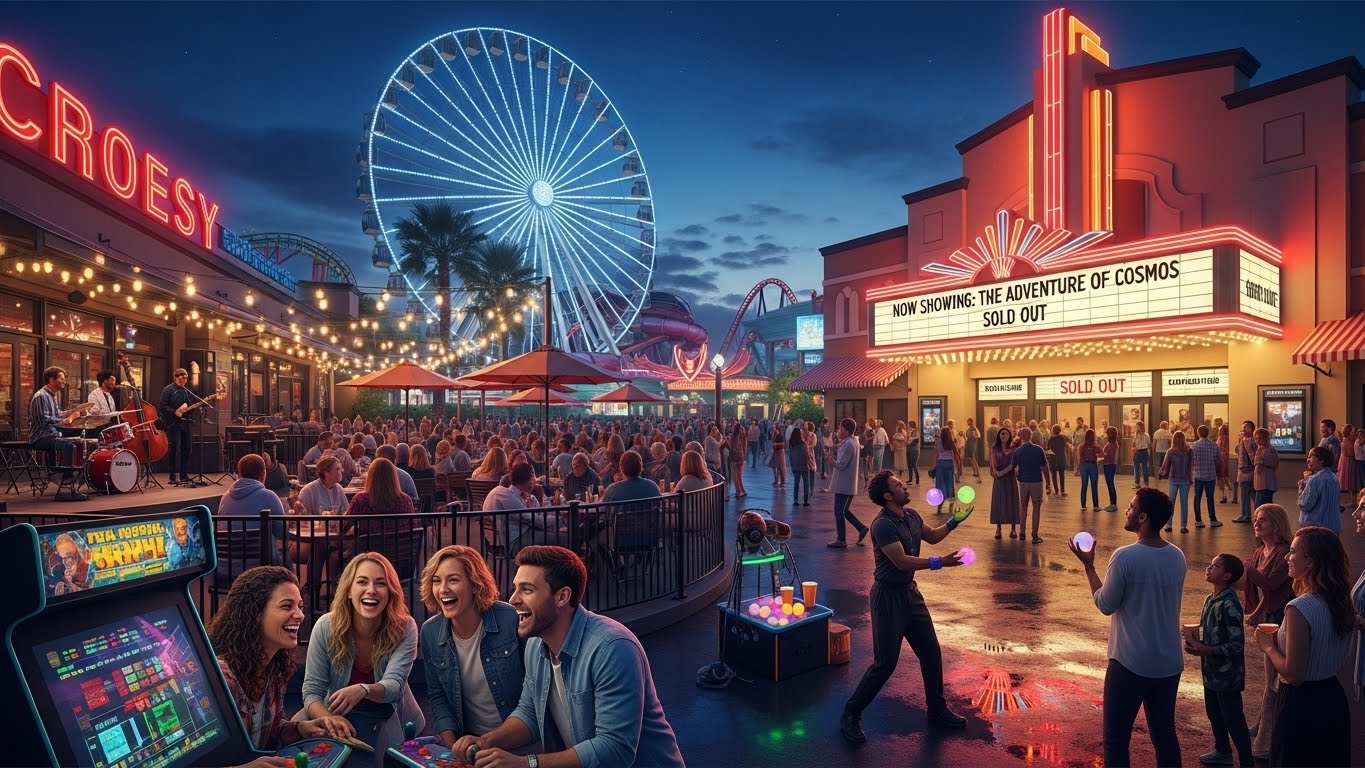

Entertainment is an essential part of human life. It has always served as a source of relaxation, inspiration, and connection, providing individuals with ways to escape daily routines and experience joy. From ancient storytelling around campfires to modern digital streaming platforms, entertainment has evolved dramatically while maintaining its core purpose: to engage, inspire, and unite people.
The Historical Roots of Entertainment
Entertainment has been a part of human culture since the dawn of civilization. Ancient societies engaged in music, dance, theater, and storytelling to convey cultural values, pass down traditions, and create shared experiences. Greek theater, Roman gladiatorial games, and medieval festivals reflect the diverse forms of historical entertainment that shaped social structures and cultural norms.
Over centuries, entertainment evolved to include literature, visual arts, and live performances. Each era adapted to the technological and societal context of the time, demonstrating humanity’s innate desire to create, observe, and participate in experiences that evoke emotion and foster connection.
The Rise of Modern Entertainment
The industrial revolution and technological advancements in the 19th and 20th centuries revolutionized entertainment. Cinema, radio, and television brought stories and performances into homes, making entertainment more accessible and widespread. Iconic films, serialized radio shows, and television programs became central to cultural identity and societal conversation.
As technology advanced further, digital platforms and the internet transformed the entertainment landscape. Streaming services, social media, and on-demand content created a new paradigm where audiences could choose what to watch, when to watch, and how to engage. This shift not only changed consumption patterns but also allowed for global cultural exchange.
Entertainment as a Reflection of Society
Entertainment often mirrors the values, concerns, and aspirations of society. Films, television shows, music, and literature explore social issues, human relationships, and cultural trends. They provide insight into the collective consciousness of a time, reflecting both the challenges and triumphs of communities.
For example, historical films and documentaries preserve the stories of past generations, while contemporary shows address current social dynamics. Entertainment allows audiences to explore perspectives beyond their own, fostering empathy, awareness, and understanding of diverse experiences.
The Impact of Technology on Entertainment
Technology has transformed the way we create, distribute, and consume entertainment. Digital production tools, high-definition visuals, and computer-generated imagery have revolutionized film, television, and gaming. Streaming platforms allow content to reach global audiences instantly, while virtual reality and augmented reality create immersive experiences that blur the line between reality and imagination.
Social media platforms provide a space for creators to connect with audiences directly, bypassing traditional gatekeepers. Music, films, and videos can go viral overnight, democratizing content creation and empowering independent artists to gain recognition. Technology has not only enhanced the quality of entertainment but also increased its accessibility and cultural reach.
Entertainment and the Economy
Entertainment is a major driver of economic activity worldwide. The film industry, music production, gaming, theater, and sports generate billions of dollars annually, creating employment and contributing to local and global economies. Box office sales, streaming subscriptions, live events, and merchandise represent significant revenue streams.
Beyond direct financial impact, entertainment stimulates related industries, including tourism, hospitality, and advertising. Major events like film festivals, concerts, and award shows attract international audiences, boost local businesses, and enhance cultural exchange, highlighting the economic and social significance of the entertainment sector.
The Psychology of Entertainment
Entertainment satisfies essential psychological needs. It provides escapism, reducing stress and offering relaxation. Storytelling, in particular, engages the human brain by triggering emotions, imagination, and empathy. Music influences mood, rhythm, and memory, while games and interactive experiences stimulate problem-solving and cognitive skills.
Engaging in entertainment fosters social bonding, whether through shared experiences at concerts, movies, or sporting events. It can also serve as a tool for personal reflection, motivation, and emotional expression. The psychological appeal of entertainment lies in its ability to engage the mind, evoke feelings, and create meaningful experiences.
Music: The Universal Language
Music is one of the oldest and most universal forms of entertainment. It transcends cultural, linguistic, and geographic boundaries, conveying emotions and stories through melody, rhythm, and lyrics. From classical compositions to contemporary pop, music adapts to societal trends while preserving its power to inspire and connect.
Live concerts, festivals, and digital platforms have transformed music consumption. Fans can experience performances globally, interact with artists, and participate in communities built around shared musical interests. Music not only entertains but also influences identity, lifestyle, and cultural expression.
Film and Television: Stories That Captivate
Film and television remain central to modern entertainment, combining storytelling, visuals, and performance to create immersive experiences. Cinema has evolved from silent black-and-white films to sophisticated productions with advanced special effects, CGI, and intricate narratives. Television has expanded to streaming series, reality shows, and documentaries that cater to diverse audiences.
These mediums influence culture, fashion, and social norms, often sparking conversation and reflection. The accessibility of digital platforms allows viewers to explore global content, promoting cultural awareness and fostering shared entertainment experiences across borders.
Gaming: Interactive Entertainment
Gaming represents a significant and growing sector of entertainment. Video games provide interactive experiences that engage players intellectually, emotionally, and socially. From casual mobile games to competitive esports, gaming offers challenges, narratives, and creative exploration that traditional forms of entertainment cannot replicate.
Multiplayer games foster teamwork, communication, and social interaction, while single-player games provide immersive storytelling and personal achievement. The rise of streaming platforms and content creators has also transformed gaming into a spectator-driven form of entertainment, bridging communities of players and fans worldwide.
Live Events and Experiential Entertainment
Live entertainment, including concerts, theater, festivals, and sports, offers unique experiences that engage audiences physically and emotionally. The communal aspect of live events creates shared memories, emotional highs, and cultural connection. Experiential entertainment, such as theme parks, interactive exhibits, and virtual reality installations, further expands possibilities for audience engagement.
These experiences combine performance, technology, and environment to create unforgettable moments, demonstrating that entertainment is not only about content consumption but also about participation and immersion.
The Social Role of Entertainment
Entertainment plays a vital role in society by promoting social cohesion, dialogue, and cultural exchange. It brings people together, encourages collaboration, and provides a platform to address social issues. Comedies, dramas, and documentaries often challenge societal norms, spark discussion, and inspire change.
In addition, entertainment fosters community through fan clubs, social media groups, and interactive events. Shared enjoyment creates connections, builds networks, and strengthens cultural identity. Entertainment is a social glue, reflecting and shaping the collective experiences of communities.
Ethics and Responsibility in Entertainment
While entertainment has numerous benefits, ethical considerations are essential. Content creators must balance creativity with social responsibility, avoiding harmful stereotypes, misinformation, and exploitation. Platforms and producers have a duty to ensure content is appropriate, inclusive, and respectful of diverse audiences.
Responsible entertainment respects cultural sensitivity, promotes positive messaging, and fosters safe engagement for all participants. Ethical practices ensure that entertainment remains a force for good, contributing to social development and individual well-being.
The Future of Entertainment
The future of entertainment is intertwined with technology, creativity, and cultural evolution. Artificial intelligence, virtual reality, and augmented reality will create more immersive, interactive, and personalized experiences. Digital platforms will continue to democratize content creation, allowing diverse voices to reach global audiences.
Entertainment will increasingly blend mediums, combining music, gaming, film, and live events to create multisensory experiences. It will remain a reflection of societal values, shaping culture while adapting to the changing ways people consume, participate in, and interact with leisure and media.
Conclusion: Entertainment as a Cultural Catalyst
Entertainment is far more than a diversion; it is a powerful cultural, social, and economic force. It shapes identity, fosters creativity, and connects people across boundaries. From music and films to gaming and live experiences, entertainment reflects human ingenuity, emotion, and societal evolution.
As technology continues to advance, the possibilities for creating and experiencing entertainment are limitless. By embracing innovation responsibly and inclusively, entertainment can continue to inspire, unite, and enrich lives, proving that it is not just a form of leisure but a catalyst for cultural growth and human connection.