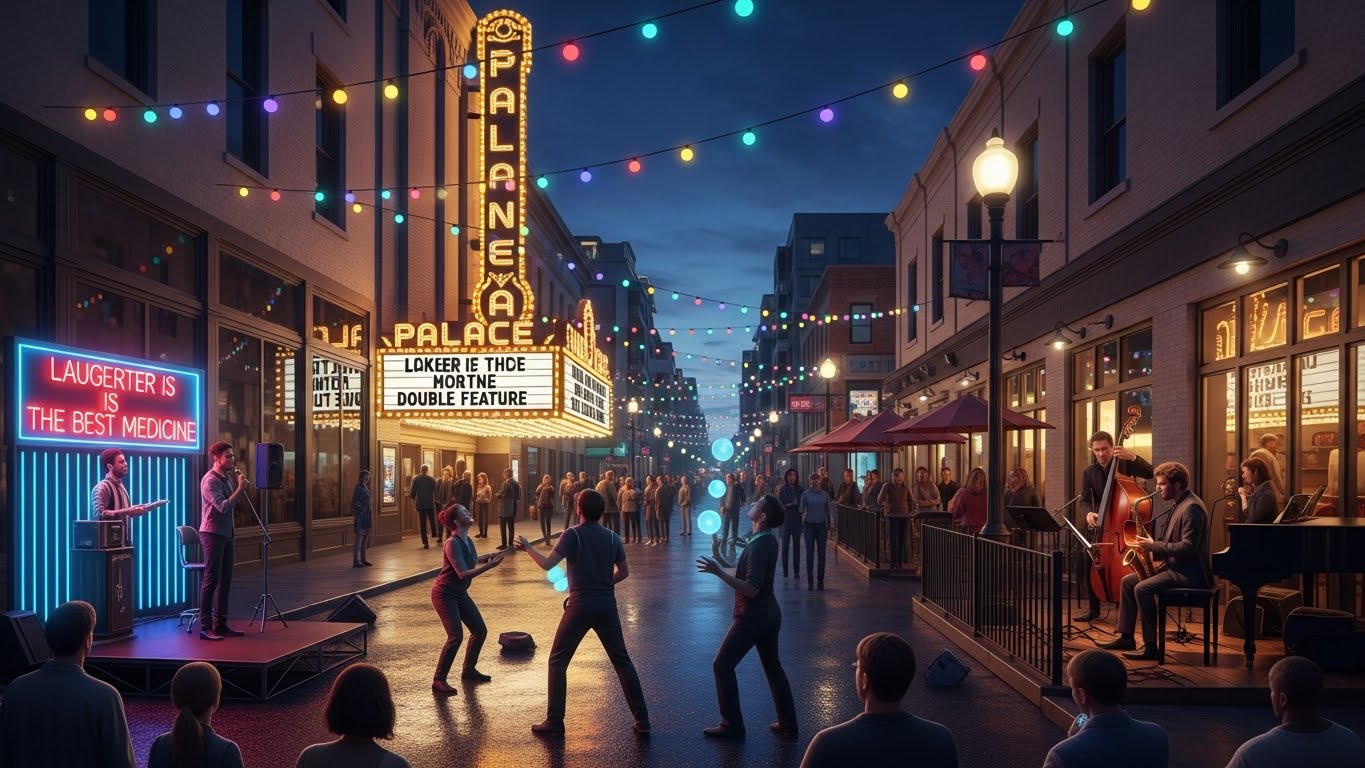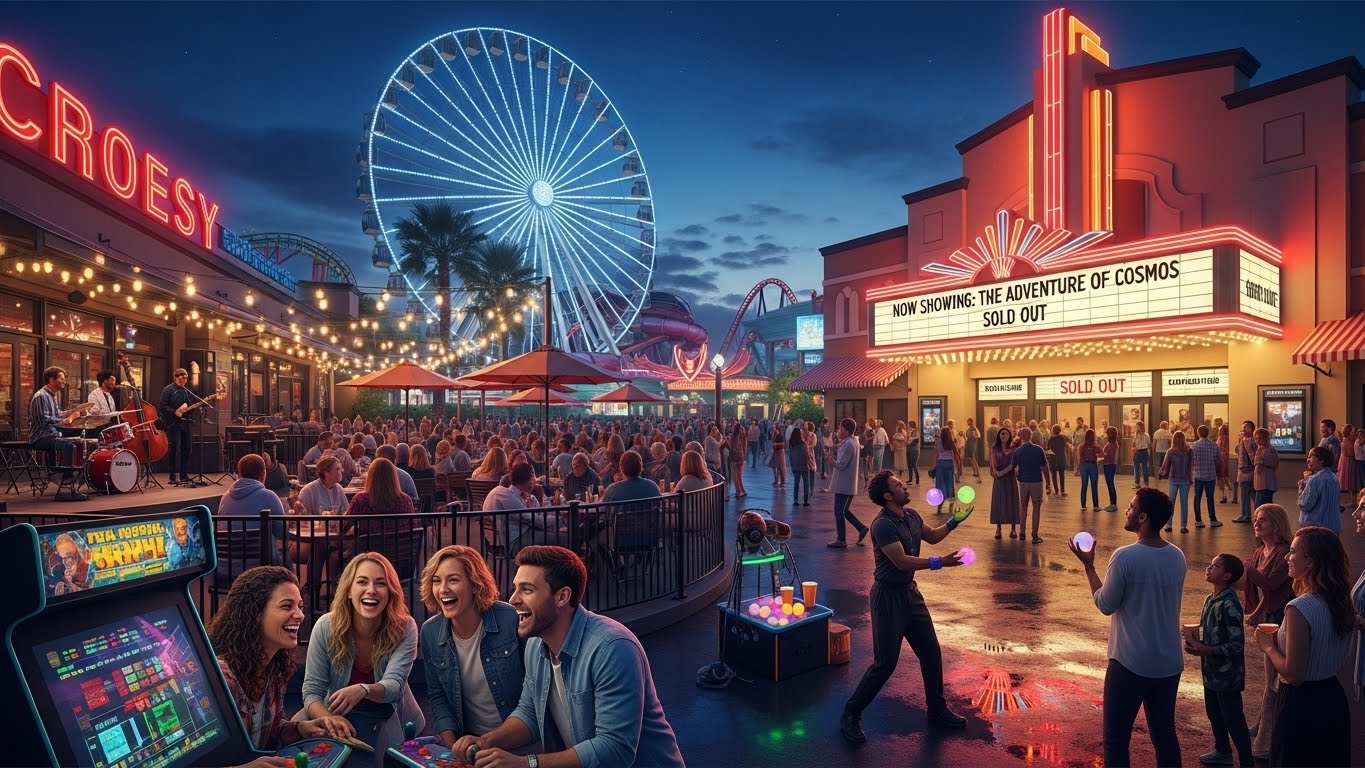

Entertainment has always been a powerful force in shaping society, influencing our emotions, thoughts, and behaviors. Over the years, the way we access and consume entertainment has evolved dramatically. From the early days of theater and live performances to the digital age of streaming platforms and interactive media, the landscape of entertainment has undergone massive transformations. In this blog post, we will explore the shifting dynamics of entertainment and what it means for both consumers and creators in the modern world.
The Early Days of Entertainment: Theater and Live Performances
Before the age of radio, television, and cinema, entertainment was primarily live and communal. People gathered in theaters, amphitheaters, and marketplaces to experience performances firsthand. In ancient Greece, for example, drama was a central part of culture, with playwrights like Sophocles and Euripides creating works that explored the human condition through compelling narratives and powerful performances.
In medieval times, theater evolved into more elaborate productions, often tied to religious festivals or royal events. The rise of Shakespearean plays in England during the Elizabethan era marked a peak in live performance, with grand productions taking place in venues like The Globe Theatre. These events not only entertained but also educated and fostered a sense of community.
The essence of live performance—whether it’s theater, music, or dance—remained at the heart of entertainment for centuries. Audiences knew that the experience was temporary and could only be enjoyed in the moment, making each performance unique and special.
The Golden Age of Cinema: The Birth of the Movie Industry
The early 20th century marked a defining moment for entertainment with the advent of cinema. Motion pictures brought storytelling to a whole new dimension, using visuals, sound, and editing to craft compelling narratives that could transport audiences to different worlds. The silent film era gave way to the “talkies” in the late 1920s, with films like The Jazz Singer heralding a new era of sound in movies.
The 1930s to the 1950s are considered the “Golden Age of Hollywood,” a time when film became a dominant form of entertainment. Icons like Audrey Hepburn, Humphrey Bogart, and Marilyn Monroe became household names, and movies such as Gone with the Wind, Casablanca, and Citizen Kane became cultural touchstones. Cinema was not only a way to escape reality but also a way to reflect the values, struggles, and dreams of society.
During this period, the movie theater became the primary venue for entertainment, and Hollywood studios reigned supreme. Films were carefully crafted, and going to the movies was a grand event. The magic of cinema captivated audiences and set the stage for an industry that would continue to evolve.
The Rise of Television: Entertainment for the Masses
While cinema was flourishing, another medium was quickly becoming a fixture in people’s homes: television. By the 1950s, television had begun to rival cinema as the primary source of entertainment for many households. Shows like I Love Lucy, The Twilight Zone, and The Ed Sullivan Show became cultural phenomena that reached millions of viewers every week.
Television brought entertainment directly into the living room, giving people more control over what they watched and when they watched it. Unlike the movie theater, which required a special trip, TV shows could be enjoyed casually at home, often with the entire family. This shift also allowed for a broader range of content, from news broadcasts to sitcoms, dramas, and live events.
By the 1980s and 1990s, cable television further expanded entertainment options. Channels like HBO, MTV, and ESPN introduced more niche content and 24/7 programming, giving people the ability to tailor their viewing choices to their interests. The rise of cable and satellite television marked the beginning of a shift toward a more fragmented and specialized entertainment landscape.
The Digital Revolution: Streaming, Social Media, and Mobile Entertainment
With the turn of the 21st century, the entertainment industry saw a massive technological shift. The internet and digital technologies revolutionized how content was created, distributed, and consumed. The launch of services like YouTube in 2005 allowed anyone with a camera and an internet connection to become a content creator. This democratization of entertainment gave rise to influencers, vloggers, and independent filmmakers who could bypass traditional media channels and reach audiences directly.
The biggest game-changer, however, came with the rise of streaming platforms. Services like Netflix, Hulu, and Amazon Prime changed the way people consumed television and movies. No longer were viewers beholden to a fixed schedule of broadcast programming. With the ability to stream entire seasons of shows or films on-demand, binge-watching became a cultural phenomenon.
Streaming also opened the door for a new era of content creation. Platforms like Netflix and Amazon began producing their own original content, such as Stranger Things and The Boys, which have become massive hits. These shows and movies were often released all at once, allowing viewers to consume them at their own pace. The shift toward streaming changed the nature of entertainment from a scheduled, appointment-based activity to a flexible, anytime-anywhere experience.
Alongside streaming, social media platforms like Instagram, TikTok, and Twitter became new frontiers for entertainment. Content could be consumed in bite-sized chunks, and creators could build massive followings in a matter of days. The rise of social media has blurred the line between celebrity and everyday person, giving rise to a new class of entertainers who use their platforms to connect with audiences in more direct and personal ways.
The Interactive Age: Gaming and Esports
Another major development in modern entertainment is the rise of video gaming. What was once considered a niche hobby has now become a global cultural force. Video games today are far more than just entertainment; they are immersive, interactive experiences that allow players to explore vast virtual worlds, engage in complex narratives, and compete in skill-based challenges.
Games like The Witcher 3, Red Dead Redemption 2, and Fortnite offer players expansive, open-world environments where they can live out their fantasies. The ability to make choices that affect the storyline or interact with other players online has transformed gaming into a social and dynamic form of entertainment. Esports, or competitive video gaming, has exploded in popularity, with professional gamers earning millions of dollars in sponsorships and tournament prizes.
Gaming has also influenced other forms of entertainment. Movies, TV shows, and music are increasingly incorporating elements from gaming culture, with interactive experiences becoming more common. Virtual reality (VR) and augmented reality (AR) are pushing the boundaries even further, offering players fully immersive worlds where they can become part of the story. The merging of gaming and traditional entertainment is opening up new possibilities for how people experience narratives, art, and competition.
The Future of Entertainment: Immersive and Personalized
Looking ahead, the future of entertainment seems to be pointing toward even more immersive and personalized experiences. Technologies like artificial intelligence (AI), machine learning, and virtual reality will likely play a huge role in shaping how we engage with media. AI could help curate personalized content recommendations based on our preferences, while VR and AR might create fully immersive worlds that we can explore in real time.
We might see new forms of entertainment that blend the best of gaming, cinema, television, and social media, creating interactive narratives where viewers can influence the story or become part of the action. Imagine watching a movie where your choices affect the outcome or participating in a live-streamed event where you can interact with other viewers in real-time.
Additionally, entertainment will continue to evolve in response to the increasing demand for accessibility. With the advent of streaming services that offer subtitles in multiple languages, live captions, and sign language interpreters, entertainment is becoming more inclusive, allowing a broader range of audiences to enjoy the same experiences.
Conclusion: The Ever-Evolving World of Entertainment
Entertainment, like society itself, is always changing. From its roots in live performances to the digital revolution of streaming and gaming, the way we consume and interact with entertainment continues to evolve. As technology advances and new platforms emerge, we can expect even more exciting innovations in the world of entertainment.
The future promises even greater possibilities for creativity, interactivity, and inclusivity, with new mediums and tools that will transform how we experience stories, art, and culture. One thing is for certain: entertainment will remain a constant force in our lives, always evolving and adapting to the times.