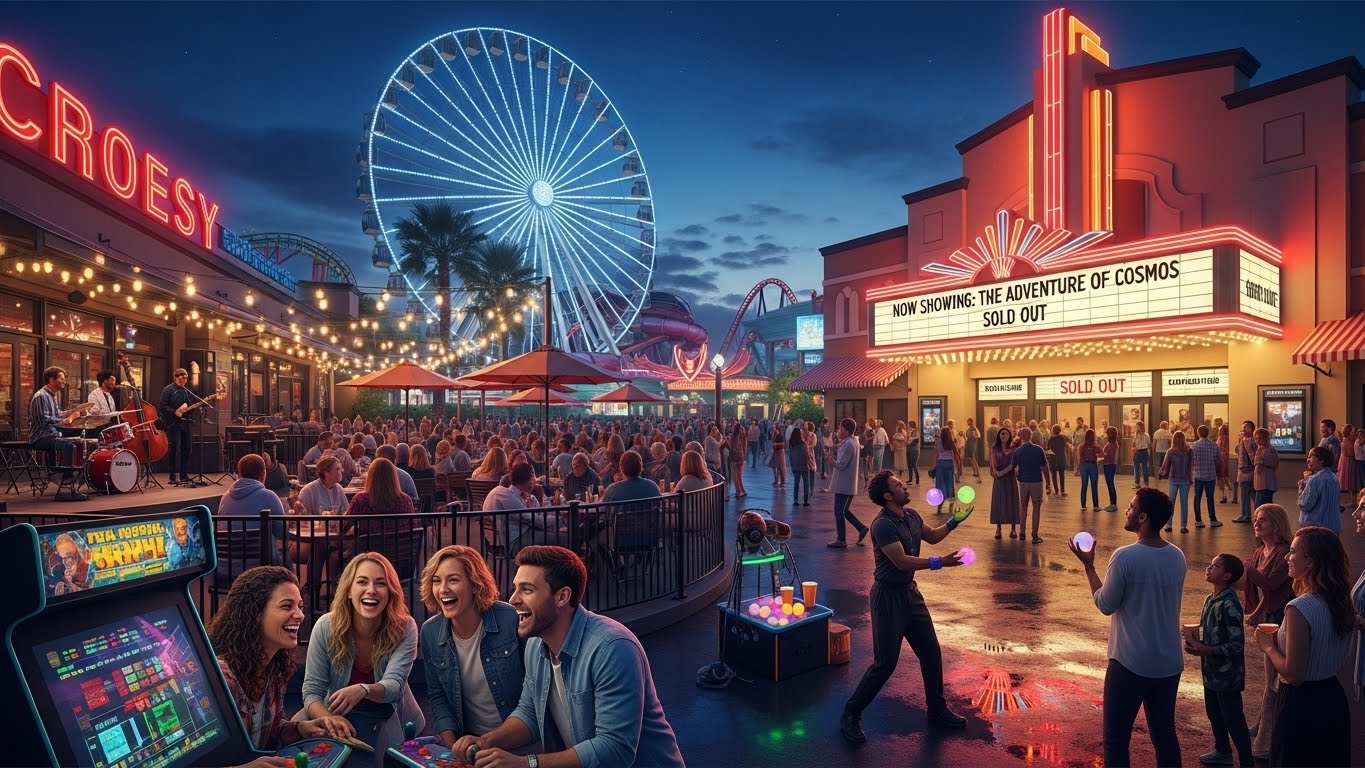
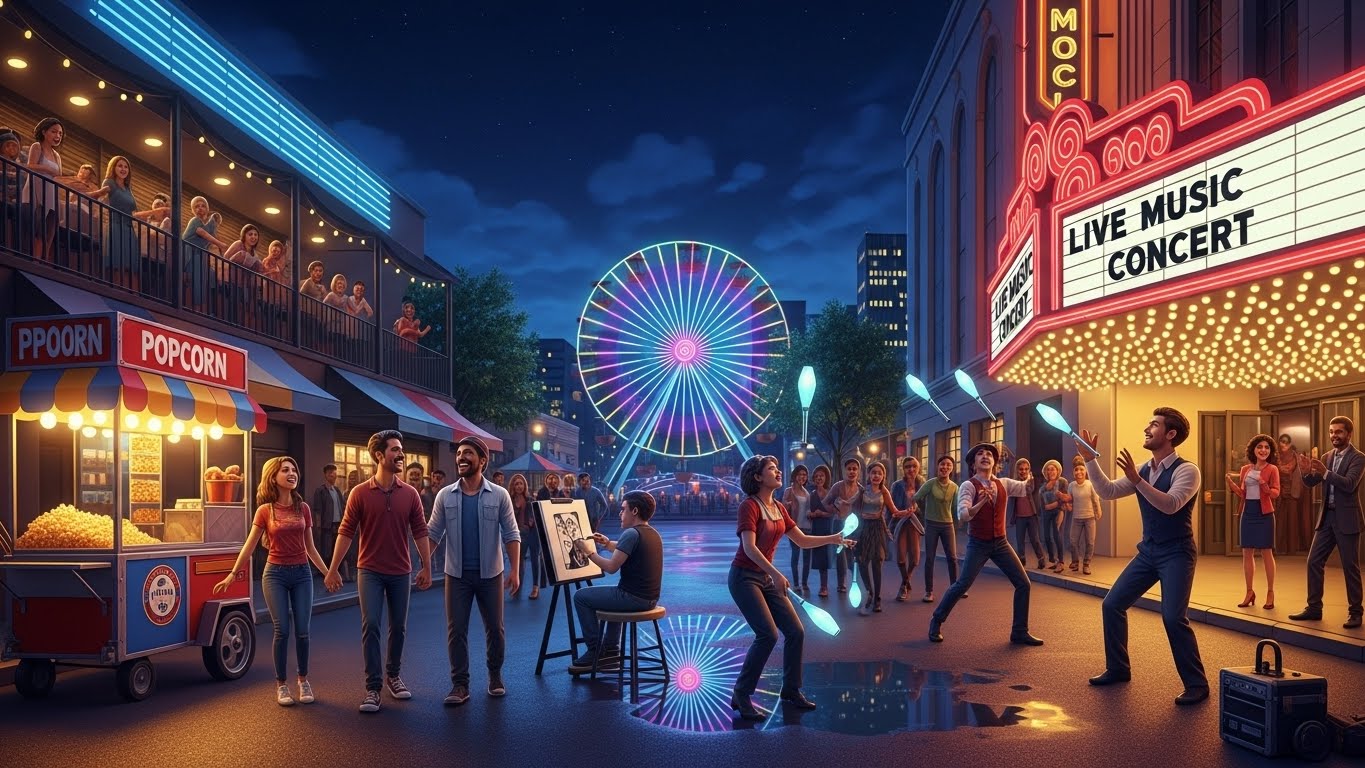
In a world that often prioritizes productivity, efficiency, and achievement, it’s easy to overlook one of the most important aspects of our well-being: play and entertainment. We live in a culture where the pressure to “always be on” can feel overwhelming, yet the need for relaxation, enjoyment, and creative expression is just as essential to our health and happiness. Entertainment isn’t just a luxury or a way to pass the time—it’s a vital component of a balanced, fulfilling life. Whether it’s through movies, music, games, books, or even socializing with friends, entertainment offers us a way to recharge, escape, and connect with the world around us.
In this post, we’ll explore the significance of entertainment, its impact on our lives, and how the simple act of indulging in enjoyable activities can actually improve our mental health, strengthen our relationships, and inspire creativity. From the catharsis of a good movie to the immersive world of video games, entertainment is a tool for self-care, bonding, and even personal growth.
The Role of Entertainment in Our Mental Health
One of the most powerful ways entertainment impacts our lives is by improving our mental well-being. Many people turn to entertainment as a form of escapism—whether it’s binge-watching a TV show, reading a gripping novel, or playing a video game for hours on end. While the idea of “escaping” may sometimes be viewed with a negative connotation, it’s important to recognize that entertainment allows us to temporarily step away from the stresses and pressures of our daily lives. In doing so, we can find moments of peace and relaxation that ultimately contribute to better mental health.
When we engage with a story—be it through books, films, or games—we are given the opportunity to experience different perspectives and emotions. This allows us to process our own feelings and experiences from a safe distance. For example, watching a tragic character in a film go through hardships can offer us a sense of catharsis, helping us release built-up emotions in a way that feels both safe and therapeutic. At the same time, engaging with positive, lighthearted entertainment can boost our mood and provide us with moments of joy and laughter.
Entertainment also acts as a great stress reliever. Studies have shown that watching something funny or engaging in an enjoyable activity can lower cortisol levels (the stress hormone) and increase the production of endorphins, the brain’s “feel-good” chemicals. This is why after a long, stressful day, a comedy movie or a favorite hobby can be just what we need to reset our minds and emotions.
Play as a Creative Outlet
Entertainment isn’t just about passive consumption—it can also be an active form of expression and creativity. Many forms of entertainment allow us to tap into our creative side, whether it’s through writing, painting, dancing, or even playing a video game that requires strategic thinking. These activities offer us an opportunity to explore our imagination and develop new skills in the process.
Consider the popularity of video games today. Games like “Minecraft,” “The Sims,” and “Animal Crossing” provide players with the freedom to create their own worlds, characters, and narratives. These games encourage us to think outside the box, solve complex problems, and express ourselves in new and innovative ways. The creative potential within these games is immense, allowing players to exercise skills that are transferable to other areas of life, including problem-solving, teamwork, and spatial awareness.
Likewise, traditional forms of entertainment like painting or writing can provide people with a way to channel their thoughts and emotions into something tangible. Whether it’s writing a story or creating a piece of artwork, these activities allow us to communicate ideas and feelings that may be difficult to express otherwise. Entertainment, in this sense, becomes a tool for personal expression and a way to enhance our creativity.
Social Connections Through Entertainment
In addition to being a personal tool for relaxation and creativity, entertainment also plays a significant role in our social lives. In the modern age, many entertainment activities have become communal experiences. Whether it’s watching a film with family, going to a concert with friends, or playing an online multiplayer game with people across the world, entertainment brings us closer to others and fosters a sense of community.
One of the most powerful ways entertainment strengthens social bonds is through shared experiences. When we watch a movie with friends or play a board game with family, we create memories together that serve as a foundation for deeper relationships. These shared moments are an opportunity to connect emotionally, share laughs, and engage in meaningful conversations that might not have occurred otherwise.
Social media and streaming platforms have also opened new avenues for collective entertainment. Take, for instance, the rise of watch parties, where groups of friends or online communities gather to watch the same film or TV series at the same time. Platforms like Twitch and YouTube allow content creators to build communities around their entertainment, providing a space where people can interact, share opinions, and feel part of something larger than themselves.
Even with the rise of digital entertainment, in-person activities like attending concerts, theater performances, or sporting events continue to hold great value. These live events create an atmosphere of excitement and camaraderie that is hard to replicate online. The energy of a crowd at a concert, for example, is a unique form of social bonding that fosters a sense of connection with both the performers and the audience members.
Entertainment as an Escape from Reality
While entertainment can be a means of relaxation and creativity, it also serves as a much-needed escape from the stresses of real life. Whether it’s the escape into a fictional world through a book, the excitement of a video game, or the fantasy of a movie, entertainment provides us with the opportunity to disconnect from our daily worries and immerse ourselves in different realities.
For instance, fantasy books like the “Harry Potter” series or the “Lord of the Rings” trilogy transport readers to entirely different worlds where the rules of reality no longer apply. In these fictional realms, we can experience adventures, form friendships, and explore new places—all without leaving the comfort of our own homes. Movies like “Inception” or “Avatar” also provide immersive experiences that allow us to engage in complex, otherworldly narratives that challenge our perceptions of reality.
Video games, too, offer an incredible escape from the pressures of everyday life. Open-world games like “The Legend of Zelda: Breath of the Wild” or “Red Dead Redemption 2” allow players to step into the shoes of their characters and explore vast, detailed worlds that are far removed from the routines of the real world. These games not only provide entertainment but also offer a sense of freedom, where players can choose their own path and create their own storylines.
Escaping into these alternate worlds doesn’t mean we are avoiding our problems—it simply allows us to take a break from them. By engaging in these immersive experiences, we are giving ourselves the mental space to relax, recharge, and gain a fresh perspective.
The Evolution of Entertainment: From Traditional to Digital
Entertainment has come a long way over the years, from traditional forms like books, radio, and theater to the digital age of streaming, social media, and interactive gaming. Each era has brought with it new ways of engaging with stories, music, and art, reflecting changes in technology, culture, and society.
In the past, entertainment was often centered around communal experiences—family gatherings to watch a TV show, trips to the cinema, or live performances. While these experiences still exist today, the rise of the internet and digital media has revolutionized how we consume entertainment. Streaming platforms like Netflix, Hulu, and Disney+ allow us to watch movies and TV shows at our convenience, anytime and anywhere. Social media platforms like Instagram and TikTok have become integral parts of the entertainment landscape, offering users the ability to create and share content with a global audience.
Video games have also evolved significantly, from the early days of arcade games to the highly immersive virtual realities of today. Virtual reality (VR) and augmented reality (AR) have introduced new ways for players to engage with entertainment, blurring the lines between the physical and digital worlds. These technologies are pushing the boundaries of what is possible in gaming and entertainment, offering experiences that were once only imagined in science fiction.
Even within traditional forms of entertainment, technology has made a significant impact. The introduction of special effects and CGI has transformed the film industry, allowing directors to create visually stunning worlds that were once impossible to bring to life. Music has also been revolutionized by technology, with streaming platforms and digital production tools providing artists with new ways to produce and share their work.
Why We Need Entertainment Now More Than Ever
In today’s fast-paced world, entertainment serves as a crucial outlet for relaxation, creativity, and social connection. With the rise of mental health challenges like stress, anxiety, and depression, taking time to engage in entertainment is more important than ever. It provides a much-needed break from the constant demands of work, school, and personal responsibilities, allowing us to recharge and reconnect with what matters most.
In addition, entertainment helps foster a sense of belonging, which is essential for emotional well-being. Whether it’s bonding with friends over a shared love of a TV show or feeling part of a community of gamers, entertainment creates opportunities for us to connect with others, share experiences, and feel understood.
Ultimately, entertainment is not just about fun and relaxation—it’s a vital part of living a healthy, balanced life. So, the next time you sit down to watch your favorite show, play a game, or listen to music, remember that these activities are more than just distractions. They are tools for personal growth, emotional healing, and social connection.