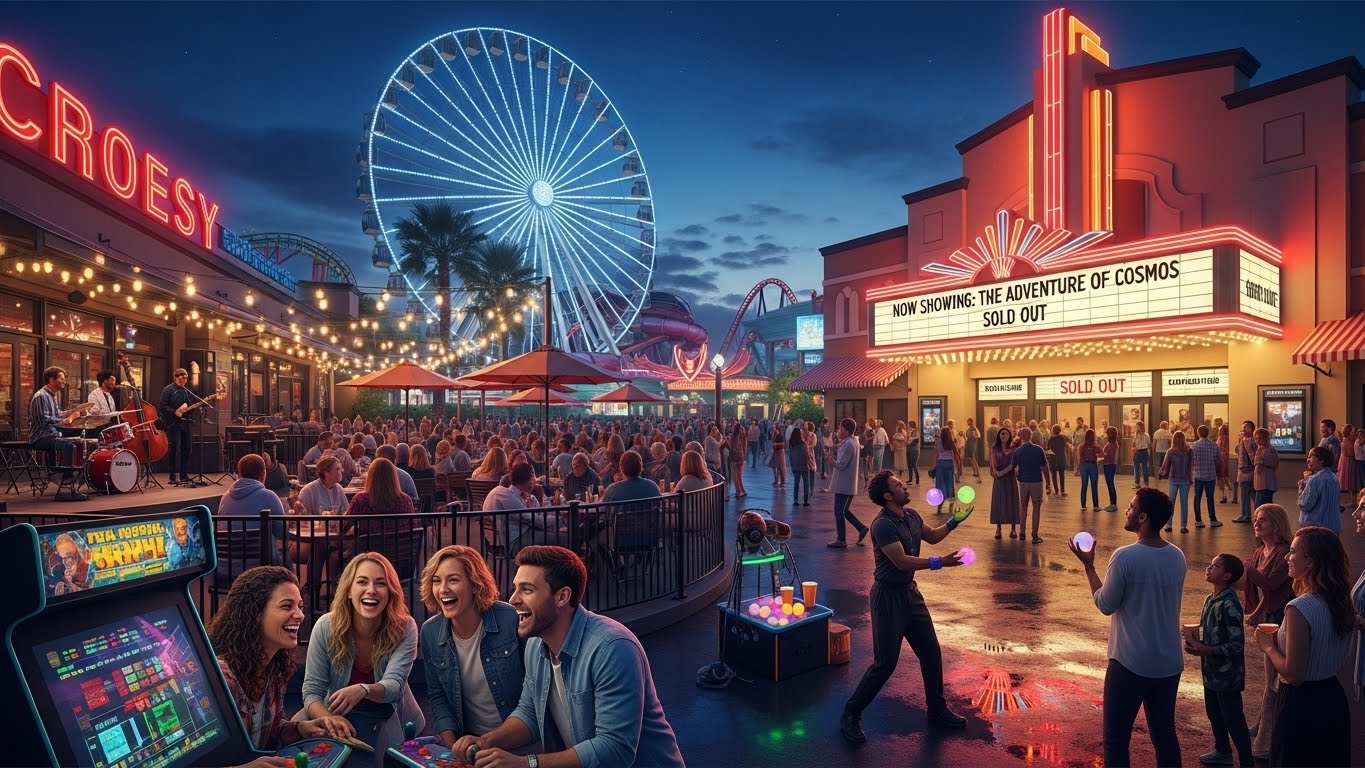

Entertainment is a cornerstone of human culture. It is more than just a pastime; it is a reflection of society, a window into human emotions, and a way to connect people across time and space. From ancient storytelling around campfires to modern streaming platforms and immersive video games, entertainment has continually evolved, shaping how we perceive the world and ourselves. This blog explores the journey of entertainment, the innovations that have transformed it, and the ways it continues to impact our daily lives.
The Origins of Entertainment
Entertainment has existed as long as human society itself. Early humans relied on storytelling, music, and dance to communicate experiences, preserve cultural knowledge, and provide amusement. Oral storytelling was one of the earliest forms of entertainment, allowing communities to share myths, legends, and moral lessons. These stories were often accompanied by music, rhythmic chants, or dance, creating immersive experiences that engaged both emotion and imagination.
Ancient civilizations formalized entertainment through theatre, music, and public performances. The Greeks developed structured plays and dramatic arts, exploring human nature, societal norms, and philosophical questions. Romans introduced amphitheaters and grand spectacles that combined drama, music, and acrobatics. Entertainment, in its earliest forms, was not only a source of amusement but also a means of education, cultural preservation, and social cohesion.
The Birth of Cinema and Visual Storytelling
The late 19th century brought a revolution in entertainment with the invention of motion pictures. Cinema allowed audiences to experience stories in an entirely new way, combining visuals, dialogue, music, and performance. Silent films captivated viewers through expressive acting and imaginative storytelling, while the introduction of sound and color added new dimensions to the cinematic experience.
Modern cinema continues to push boundaries with technological innovations. Special effects, high-definition cameras, and animation have expanded the possibilities of storytelling. Films now explore complex narratives, diverse cultures, and intricate characters. Cinema remains both a source of entertainment and a mirror of society, reflecting human emotions, societal trends, and cultural values. Watching a movie on a big screen remains a unique shared experience, creating collective emotional moments that resonate long after the credits roll.
Television: Bringing Entertainment Home
Television transformed entertainment by bringing it directly into people’s homes. Families could gather to watch news, dramas, variety shows, and live events. Television created shared cultural moments and sparked conversations, shaping social trends and influencing public opinion. Iconic television series became points of reference, allowing audiences to engage collectively in stories and characters.
The expansion of cable and satellite networks provided viewers with diverse content options, from cooking shows and travel programs to documentaries and educational content. Television not only entertained but also educated and informed, reflecting cultural changes and societal issues. It bridged the gap between creators and audiences, fostering a sense of connection and shared experience within communities.
The Digital Age and Streaming Platforms
The internet revolutionized entertainment, giving rise to streaming platforms that allow audiences to consume content on demand. This shift has transformed viewing habits, with binge-watching becoming a global phenomenon. Streaming platforms offer endless choices, enabling viewers to explore diverse genres, international content, and independent productions.
Long-form storytelling has evolved with streaming. Writers and directors craft multi-episode arcs that allow deeper character development and complex narratives. Streaming platforms also democratize content creation, giving independent filmmakers, international creators, and emerging artists a global audience. This accessibility has led to a surge in creative diversity, making entertainment more inclusive and representative of various cultures and perspectives.
Music: The Universal Connector
Music is one of the most universal forms of entertainment. It evokes emotion, inspires creativity, and connects people across cultures and generations. Historically, music accompanied rituals, celebrations, and storytelling. It has always played a vital role in shaping culture and community experiences.
The digital era has transformed how we access and consume music. Streaming services provide instant access to millions of songs worldwide, while social media and video-sharing platforms allow artists to reach global audiences. Viral trends can propel a song to international fame within days. Despite technological advancements, the emotional power of music remains unchanged. It continues to move, inspire, and unite people, offering a shared experience that transcends language and geography.
Video Games: Interactive Entertainment
Video games have become a major pillar of modern entertainment. Once simple and pixelated, games have evolved into immersive worlds with realistic graphics, complex narratives, and interactive gameplay. Gaming is no longer a solitary experience; multiplayer and online games connect people globally, fostering teamwork, competition, and social interaction.
Esports has emerged as a significant aspect of entertainment, attracting millions of viewers and professional players who compete on an international stage. Beyond entertainment, video games encourage cognitive development, problem-solving skills, and creativity. Virtual reality and augmented reality gaming are further pushing boundaries, offering interactive environments where players can actively participate in and shape the story.
Social Media and the Democratization of Entertainment
Social media has redefined entertainment, making it interactive and participatory. Audiences are no longer passive consumers; they create, share, and engage with content. Viral videos, online challenges, and influencer content spread rapidly, influencing trends and shaping popular culture.
Platforms like video-sharing sites allow ordinary individuals to become entertainers. Short videos, live streams, and user-generated content have created a new generation of creators who can reach global audiences without traditional media support. Fans also engage directly with creators, forming communities and building personal connections. Social media has made entertainment collaborative, interactive, and more inclusive than ever before.
The Psychology of Entertainment
Entertainment serves more than recreational purposes; it fulfills essential psychological needs. Humans are drawn to stories because they help us make sense of the world, understand emotions, and explore experiences beyond our own. Engaging with entertainment reduces stress, provides escape, and stimulates imagination.
Movies, music, games, and literature activate cognitive and emotional processes, creating memorable and immersive experiences. Emotional investment in stories and characters offers satisfaction and empathy, allowing audiences to feel and experience events as if they were real. Entertainment is deeply intertwined with human psychology, offering both emotional release and mental stimulation.
Globalization and Cultural Exchange
Modern entertainment is increasingly global. Audiences have access to content from all over the world, broadening perspectives and fostering cultural understanding. International films, music, and gaming communities create opportunities for cross-cultural exchange and collaboration.
Globalization has also influenced the type of stories being told. Audiences now expect diverse narratives reflecting various lifestyles, traditions, and perspectives. This has encouraged innovation and inclusivity in entertainment, allowing creators to reach wider audiences and explore unconventional ideas. Entertainment now not only entertains but educates and connects people across continents.
The Future of Entertainment
The future of entertainment promises deeper immersion, interactivity, and personalization. Virtual reality, augmented reality, and artificial intelligence are transforming how audiences experience content. AI can generate adaptive stories that respond to viewer choices, while VR and AR create interactive worlds where users can actively participate in narratives.
Despite technological advancements, the core of entertainment remains the same: storytelling, emotion, and human connection. Technology enhances experiences, but the desire to be entertained, inspired, and connected will always drive the evolution of the industry. Entertainment will continue to adapt, offering new ways to engage audiences while maintaining its essential purpose.
Conclusion: Entertainment as a Reflection of Humanity
Entertainment is far more than a source of leisure; it is a reflection of human experience. From ancient storytelling and music to cinema, gaming, and social media, it captures emotions, ideas, and culture. Entertainment connects people across time and space, offering shared experiences, imagination, and inspiration.
As technology evolves, entertainment will continue to transform, offering richer and more immersive experiences. Yet its fundamental purpose remains constant: to tell stories, evoke emotions, and bring people together. Entertainment celebrates creativity, preserves culture, and reflects humanity’s ongoing desire to connect, explore, and be inspired.