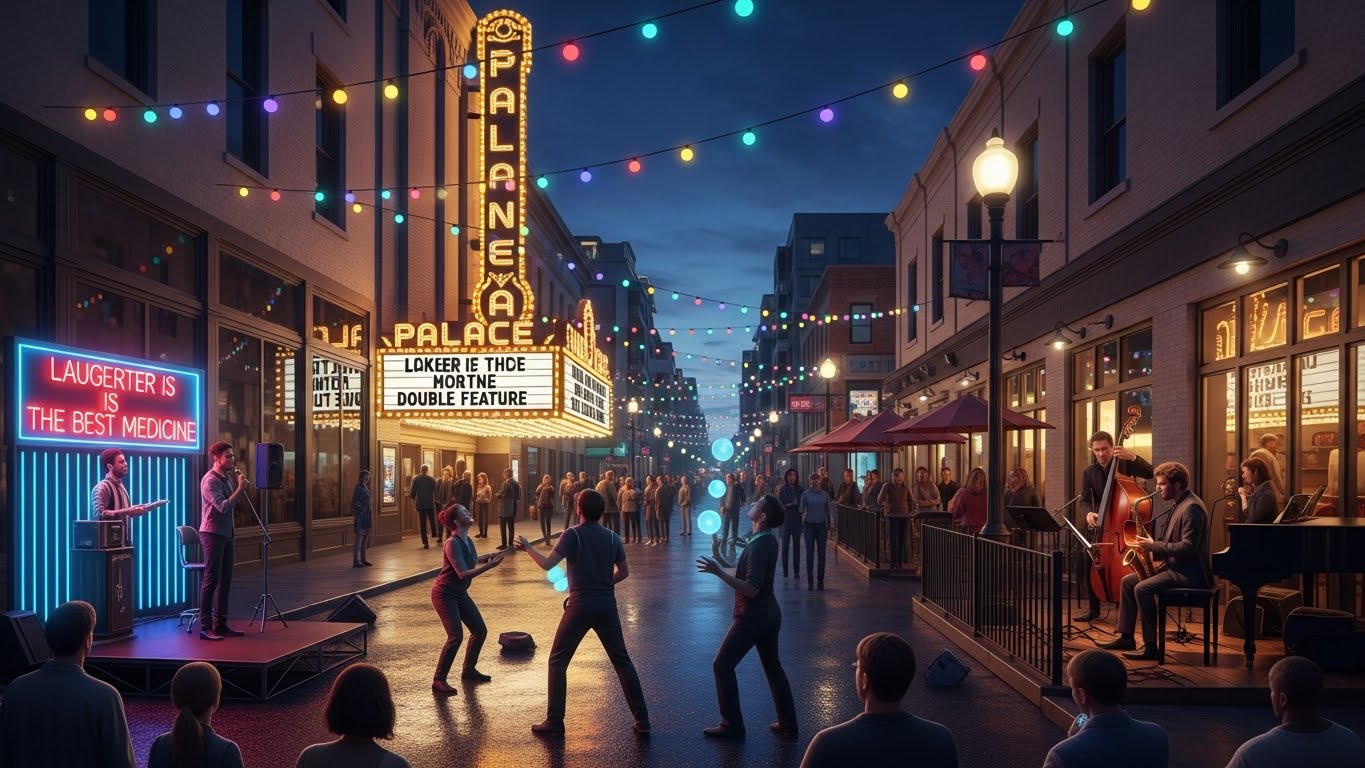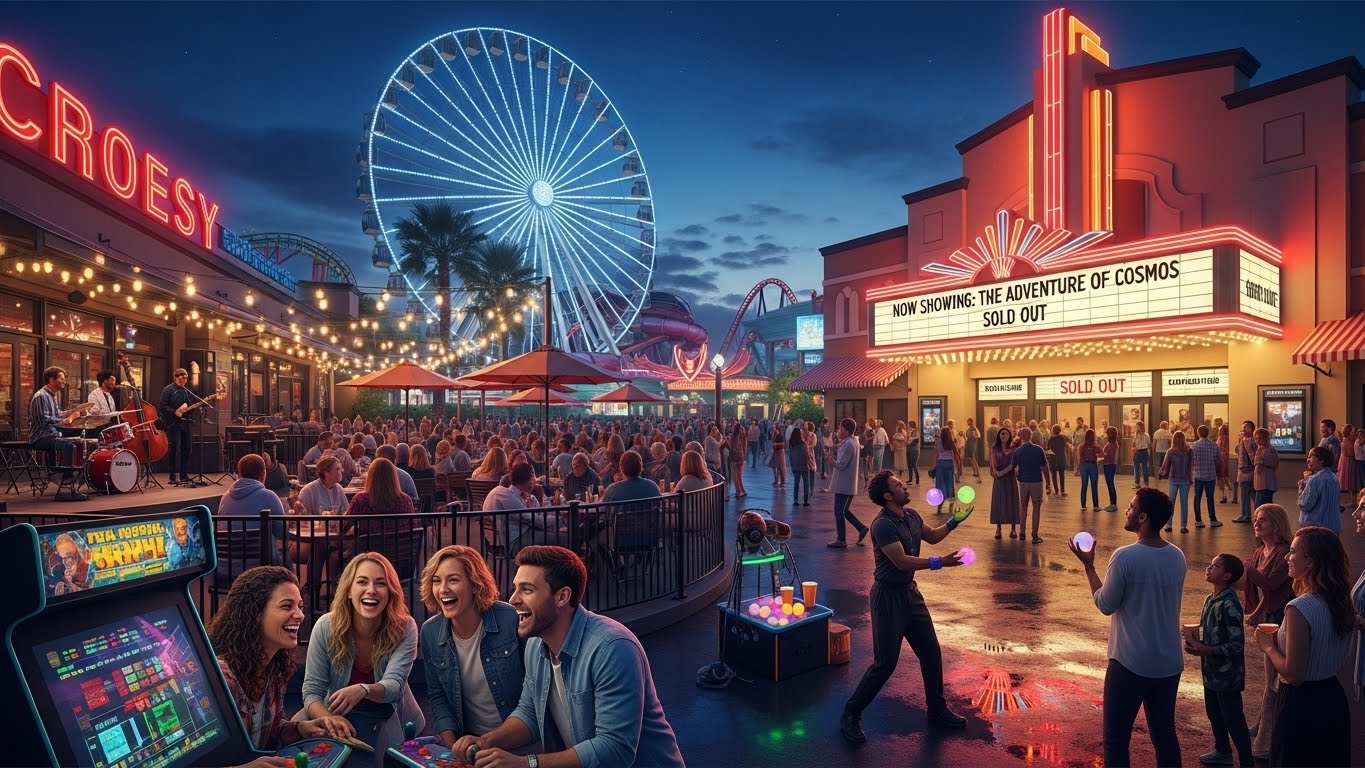
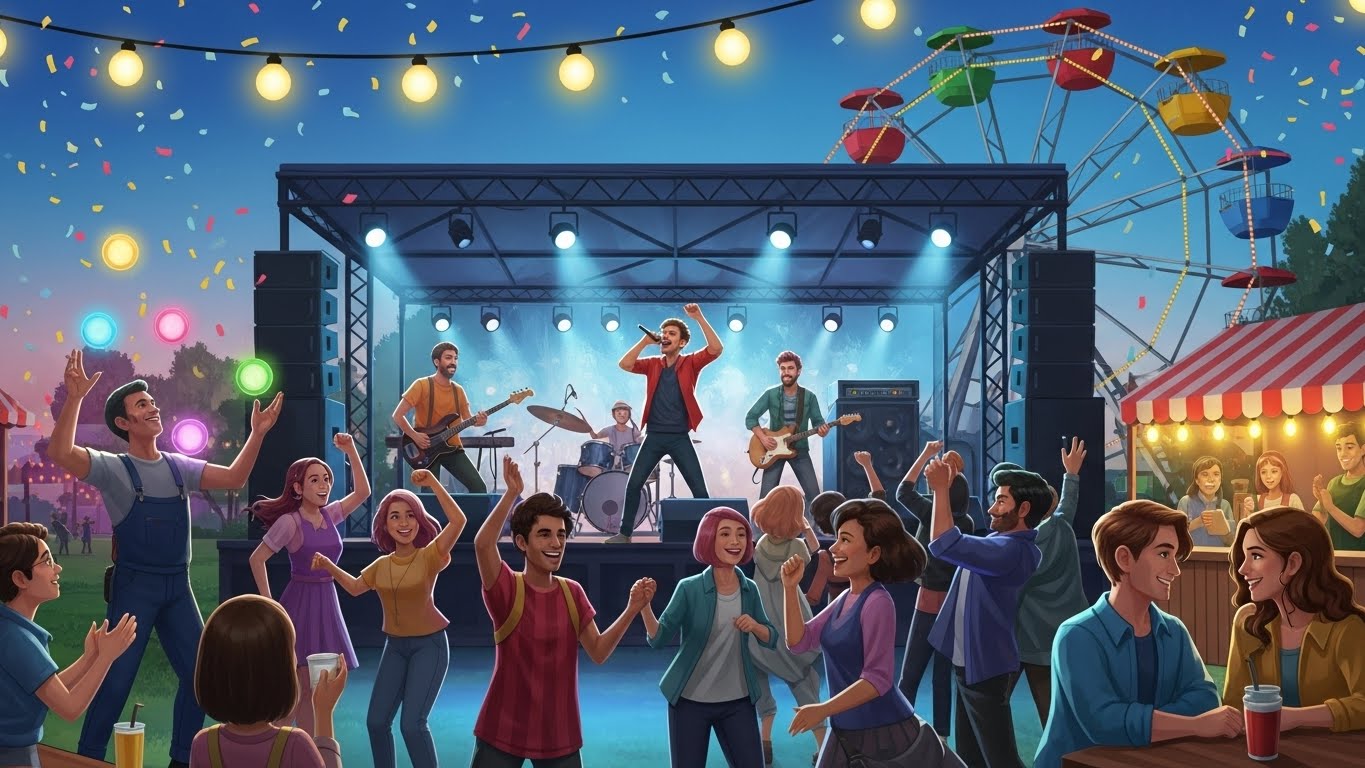
Entertainment has always been an integral part of human life. From the earliest cave drawings to the immersive digital worlds of today, people have always sought ways to escape reality, relax, and experience joy. Over the years, entertainment has evolved dramatically. What once consisted of live theater, radio shows, and family gatherings around the television has now expanded to include video games, streaming services, and social media influencers. The entertainment landscape has undergone significant transformations, driven by technological advancements, changing cultural norms, and shifts in audience expectations. This blog will explore the evolution of entertainment, examining how traditional forms have adapted to digital innovations, and what the future may hold for this ever-evolving industry.
The Traditional Foundations of Entertainment
For centuries, entertainment was primarily live and communal. In ancient cultures, people gathered around bonfires, attended public performances, or participated in storytelling traditions. With the advent of theater and music, entertainment began to formalize, giving birth to the rich traditions of classical music, opera, and stage drama. These forms of entertainment were often accessible only to those in cities or wealthy circles, where such performances could be afforded and supported.
In the 20th century, the advent of mass media changed the entertainment game entirely. The radio became the first medium to broadcast entertainment to the masses. People could now tune into comedy shows, music concerts, and dramas in their homes. This marked a new era in the democratization of entertainment, as previously, only those who could afford to attend performances in person could enjoy such experiences.
Following radio, the most transformative invention in entertainment came with the invention of television. Television brought entertainment into the living rooms of the middle class. This was the golden age of entertainment, with families huddling together to watch iconic shows, such as “I Love Lucy,” “The Ed Sullivan Show,” and later, “Friends” or “The Simpsons.” Movies were no longer something people only saw in theaters; they could watch them on their television screens, reimagining the way people consumed media.
The Digital Shift: The Rise of the Internet and Streaming
While traditional media forms like radio and television were incredibly influential, the real revolution in entertainment came with the internet. With the rise of the digital age in the late 1990s and early 2000s, the world of entertainment began to shift in unprecedented ways. The internet created an entirely new platform for the distribution of entertainment content, while also allowing audiences to consume media in a more on-demand manner.
One of the most significant impacts of the internet was the emergence of online streaming. While traditional television networks relied on scheduled programming, streaming services allowed viewers to watch their favorite shows, movies, or documentaries whenever they wanted. Netflix, once a DVD rental service, is now the epitome of streaming services, with millions of subscribers worldwide. Netflix, Amazon Prime, Hulu, and Disney+ have disrupted the entertainment industry by offering an immense catalog of films, TV shows, documentaries, and original content.
With the introduction of streaming, the concept of “binge-watching” was born, and entire seasons of shows could be consumed in one sitting. This change in viewing habits represented a cultural shift in how we experience entertainment. Viewers no longer had to follow weekly broadcast schedules but could watch at their own pace. This convenience and accessibility revolutionized the way we engage with content, making entertainment more personal and on-demand.
Streaming also opened up new opportunities for creators. Filmmakers and producers no longer needed the backing of large studios or networks to reach audiences. Platforms like YouTube and Vimeo allowed independent creators to showcase their work, leading to a democratization of content creation. This shift empowered millions of people around the world to share their ideas, talents, and stories.
The Mobile Entertainment Boom
As smartphones and tablets became ubiquitous, entertainment transitioned again to a more portable format. Mobile gaming, in particular, exploded during the 2010s, as titles like “Angry Birds,” “Candy Crush,” and “Pokémon Go” made gaming accessible to a broader audience. Unlike traditional video game consoles, mobile games could be played anytime, anywhere, offering users quick bursts of entertainment on their commutes, during lunch breaks, or while relaxing at home.
Mobile entertainment wasn’t limited to gaming alone. Social media apps like Instagram, TikTok, and Facebook transformed how people interact with entertainment. Instead of relying on large-scale media companies for content, individuals became the content creators. Social media allowed anyone to become a “star” or “influencer,” leading to a new era of personalized and interactive entertainment. Influencers and content creators on platforms like YouTube, TikTok, and Instagram now have millions of followers, monetizing their content through advertising and brand partnerships.
Moreover, the rise of mobile apps has made entertainment accessible for people on the go. Music streaming apps like Spotify and Apple Music allow users to create their own playlists and listen to millions of songs at their convenience. Podcasts, another form of entertainment, have surged in popularity as people seek new, immersive audio content. Whether it’s true crime, comedy, or self-improvement, podcasts cater to an incredible variety of interests, allowing listeners to consume content whenever and wherever they choose.
The Role of Virtual and Augmented Reality
As we move further into the digital age, new technologies like virtual reality (VR) and augmented reality (AR) are opening up entirely new forms of entertainment. Virtual reality offers a fully immersive experience, where users can enter digital worlds and interact with their environments in ways that were previously unimaginable. Games, films, and even live events are being reimagined through VR, providing users with a sense of presence and immersion that traditional media cannot offer.
For example, VR gaming offers players the chance to experience a level of interaction and immersion that goes far beyond what can be achieved on traditional gaming consoles or even mobile devices. VR allows users to “step inside” their favorite games, becoming part of the world they are exploring. As VR technology continues to improve and become more accessible, it has the potential to redefine the entire entertainment landscape.
Augmented reality, on the other hand, overlays digital elements onto the physical world. Popularized by games like “Pokémon Go,” AR allows users to experience entertainment in real-world settings. In the future, we can expect AR to enhance everything from live sports events to concerts, allowing for a richer, more interactive viewing experience.
The Changing Relationship Between Audiences and Content Creators
The traditional entertainment model, where a small number of large corporations controlled the production and distribution of content, has given way to a more decentralized, interactive ecosystem. The rise of streaming platforms, social media, and content creation tools has shifted the power dynamic between creators and audiences. Today, fans have direct access to content creators, allowing for a more participatory and personalized entertainment experience.
Platforms like Twitch and YouTube enable fans to engage with creators in real-time, through live chats, comments, and even financial support through donations or subscriptions. This real-time interaction creates a sense of community, as fans become more deeply involved in the creative process. Audiences can influence the direction of content, participate in live discussions, and share their feedback, which often shapes the direction of future projects.
This shift has also led to a rise in fan-driven content. For instance, fan theories, fan fiction, and fan art have become an integral part of how people engage with TV shows, movies, and video games. Social media platforms provide a space for fans to connect with each other and express their creativity, building entire subcultures around popular franchises.
The Future of Entertainment: Beyond 2025
Looking ahead, the future of entertainment promises to be even more dynamic and interactive. With advancements in artificial intelligence (AI), the entertainment industry will continue to innovate. AI-powered content creation tools are already being used in the film and music industries to assist in writing scripts, composing music, and even generating realistic animations. In the near future, AI could potentially be used to create fully immersive interactive experiences that allow audiences to shape the storyline or even create their own entertainment experiences.
Additionally, the line between gaming, movies, and traditional television could continue to blur. Interactive films, similar to Netflix’s “Bandersnatch,” have already shown that viewers are interested in more agency over how stories unfold. The advent of AI and more immersive technologies like AR and VR will likely allow for even greater levels of interactivity, where audiences can shape their own entertainment experiences in real time.
Esports is another area that continues to grow rapidly and could become a dominant form of entertainment in the coming years. As competitive gaming becomes more mainstream and global, it could rival traditional sports leagues in terms of viewership and sponsorship opportunities.
Conclusion: The Ever-Evolving World of Entertainment
The world of entertainment is in the midst of a digital revolution. From the traditional days of theater and radio to the mobile entertainment boom and the rise of virtual reality, technology has reshaped how we consume and interact with entertainment. What once required large-scale infrastructure and production is now accessible to anyone with an internet connection and a creative mind. As new technologies continue to emerge, the entertainment landscape will undoubtedly continue to evolve, offering new, more immersive, and interactive experiences for audiences worldwide. The future of entertainment is bright, and it will be exciting to see what innovations lie ahead.