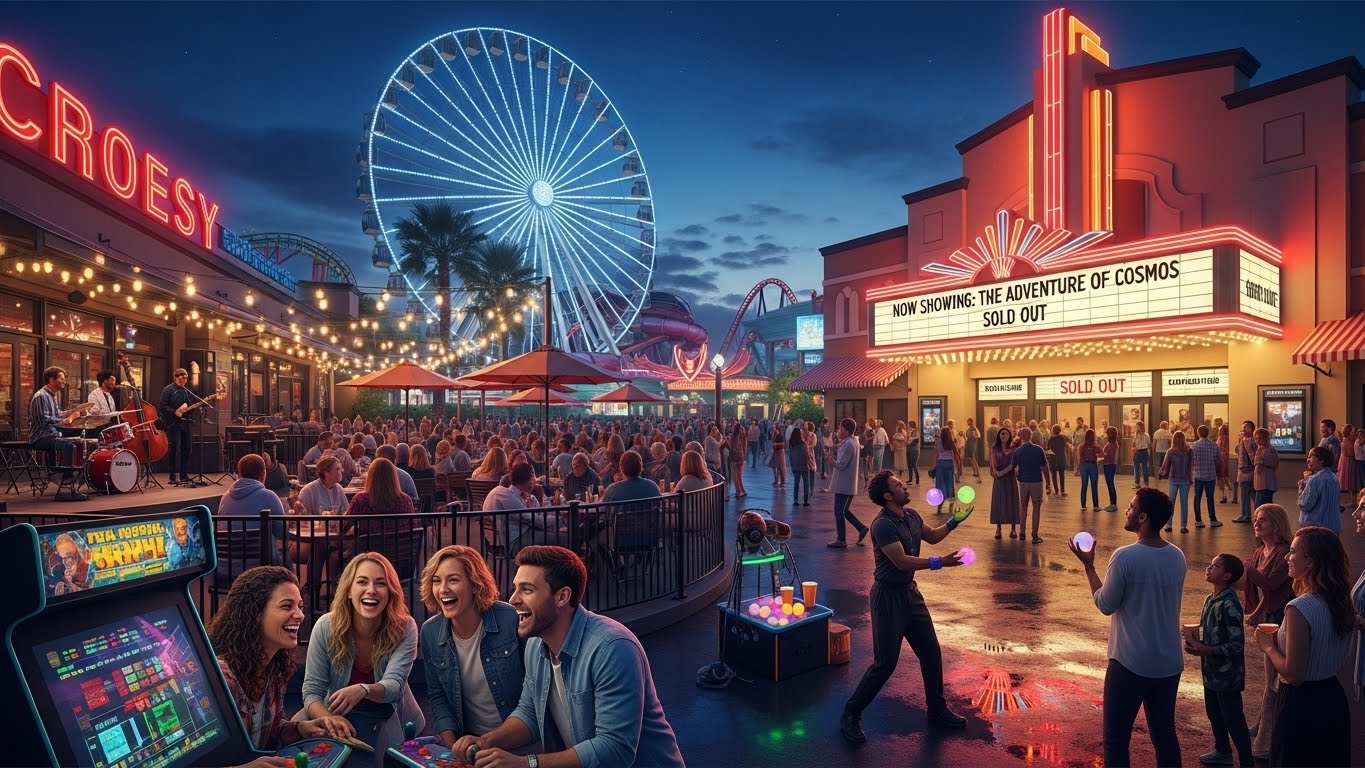

Introduction: The Role of Entertainment in Modern Life
Entertainment is a fundamental part of human culture, shaping the way we think, feel, and connect. From ancient storytelling and theater to modern films, music, and digital media, entertainment serves as both a reflection of society and a source of joy. It provides escape, inspiration, and shared experiences, allowing people to engage with narratives, emotions, and ideas beyond their immediate surroundings.
In today’s world, entertainment has evolved dramatically. The advent of technology, social media, and digital platforms has transformed the way audiences access content. Entertainment is no longer confined to traditional formats; it has become interactive, immersive, and global. Its influence extends beyond amusement, affecting education, social interaction, and even cultural identity.
The Historical Roots of Entertainment
Entertainment has been a part of human society since the beginning of civilization. Early forms included oral storytelling, dance, and music, which conveyed cultural values, preserved history, and provided communal enjoyment. Ancient civilizations used performances, rituals, and festivals to bring communities together, educate, and celebrate.
The invention of written language and the printing press expanded the reach of entertainment. Literature, theater, and poetry allowed stories to travel beyond immediate communities, fostering shared cultural experiences. Later, the rise of cinema, radio, and television revolutionized entertainment, creating mass media that shaped society and global culture.
Cinema: The Art of Visual Storytelling
Cinema is one of the most powerful forms of modern entertainment. It combines storytelling, performance, and visual artistry to create immersive experiences. From the silent film era to today’s blockbuster spectacles, movies have transported audiences to new worlds, inspired imagination, and provoked thought.
Technological advancements, including CGI, digital cinematography, and sound design, have expanded the possibilities of filmmaking. Streaming platforms have further transformed cinema, offering audiences access to films anytime, anywhere, and enabling creators to reach global audiences. Movies continue to reflect social values, explore complex themes, and shape cultural conversations.
Music: The Universal Connector
Music is an essential form of entertainment that transcends language and culture. From classical symphonies to modern pop hits, music communicates emotion, tells stories, and unites communities. Live concerts and festivals allow audiences to share experiences collectively, creating moments of connection and celebration.
Technology has revolutionized music production and consumption. Streaming services, social media, and digital platforms enable artists to reach global audiences and connect with fans directly. Music remains a powerful form of expression, shaping identity, culture, and social movements.
Gaming: Interactive Entertainment
Gaming has emerged as one of the most engaging forms of entertainment in recent years. Unlike passive media, gaming is interactive, allowing players to influence narratives, make decisions, and immerse themselves in virtual worlds. Video games, mobile apps, and virtual reality experiences provide entertainment that combines strategy, creativity, and social interaction.
Esports and live streaming have elevated gaming into a global cultural phenomenon. Professional players, competitive tournaments, and fan communities demonstrate that gaming is not just a pastime but a serious entertainment industry. The interactive nature of gaming distinguishes it from traditional forms, offering deep engagement and personal investment.
Television and Streaming: Entertainment on Demand
Television has long been a central form of entertainment, offering news, series, and shows to a broad audience. The rise of streaming services has transformed television consumption, giving viewers control over what, when, and how they watch. Binge-watching, on-demand content, and personalized recommendations have redefined the entertainment experience.
Streaming has also democratized content creation. Independent filmmakers, producers, and content creators can reach global audiences without relying on traditional networks. This shift has led to more diverse stories, perspectives, and innovative formats, broadening the scope of entertainment.
Live Performances and Theater
Live performances provide unique entertainment experiences that cannot be replicated digitally. Theater, dance, and live concerts offer immediacy, emotion, and connection between performers and audiences. The energy of live performances creates memorable moments, making them an irreplaceable aspect of cultural life.
Theater combines storytelling, acting, and stagecraft to explore human experiences, while dance and music performances showcase creativity and artistic expression. Live entertainment continues to be a vital form of engagement, even as digital media grows in prominence.
Social Aspects of Entertainment
Entertainment serves as a social connector, bringing people together through shared experiences. Whether watching a movie, attending a concert, or playing a multiplayer game, entertainment fosters interaction, bonding, and collective enjoyment. Popular culture creates common ground for conversation, collaboration, and understanding across generations and cultures.
Social media platforms enhance this connectivity by enabling fans to discuss, critique, and celebrate entertainment together. Communities form around shared interests, creating a sense of belonging and shared identity. Entertainment thus functions as both an individual and collective experience.
Education and Entertainment: Learning Through Engagement
Entertainment has significant educational potential. Educational shows, documentaries, and interactive games make learning engaging and memorable. Gamification, the use of game-like elements in learning, motivates participation, critical thinking, and problem-solving.
Even entertainment not designed explicitly for education can develop cognitive and social skills. Strategy games improve decision-making, storytelling media enhance empathy, and simulations teach real-world concepts. The integration of entertainment and education demonstrates that learning can be both enjoyable and effective.
Psychological and Emotional Benefits
Entertainment provides psychological and emotional benefits. It offers relaxation, stress relief, and an opportunity to escape from everyday pressures. Engaging with stories, music, and games stimulates creativity, imagination, and emotional expression.
Interactive and narrative-driven media also allow exploration of emotions, morality, and human experiences. Achieving goals in games, completing puzzles, or experiencing catharsis in films fosters a sense of accomplishment, emotional resilience, and personal growth. Entertainment plays a key role in maintaining mental well-being and emotional balance.
Economic Impact of Entertainment
The entertainment industry is a major contributor to global economies. It encompasses film, music, gaming, live events, and digital media, providing employment for actors, musicians, game developers, directors, writers, and technical professionals.
Technological innovation driven by entertainment, including streaming platforms, gaming engines, and production tools, has economic implications beyond the industry itself. Entertainment stimulates consumer spending, tourism through live events, and international collaboration, making it an essential sector in modern society.
Challenges in the Entertainment Industry
The entertainment industry faces challenges including piracy, copyright infringement, and content oversaturation. Online platforms must also address digital safety, misinformation, and toxic behavior to protect audiences and creators.
Inclusivity and representation remain critical challenges. Ensuring diverse voices, cultures, and perspectives are represented in entertainment is necessary for equitable engagement and cultural enrichment. Balancing commercial interests with ethical responsibility and artistic integrity is vital for sustainable growth.
Technological Innovations Shaping Entertainment
Emerging technologies are redefining entertainment. Virtual reality and augmented reality offer immersive experiences, while artificial intelligence enables personalized content and adaptive narratives. Interactive storytelling and mixed-media formats blur the lines between games, films, and performances, creating hybrid experiences.
Digital technology allows for global reach, democratization of creation, and deeper audience engagement. As technology evolves, entertainment becomes more interactive, inclusive, and adaptive, reflecting changing audience expectations and cultural trends.
The Future of Entertainment
The future of entertainment promises unprecedented innovation and creativity. Audiences will experience content in increasingly immersive and interactive ways, shaping narratives, characters, and outcomes. Cross-platform integration will allow media to merge gaming, streaming, music, and live performance into seamless experiences.
Entertainment will continue to influence culture, education, and social interaction, reflecting human imagination and societal values. Its role as a source of joy, learning, and connection ensures it will remain central to modern life.
Conclusion: Entertainment as a Cultural Force
Entertainment is more than a source of amusement; it is a powerful cultural force that shapes society, inspires creativity, and connects people. From ancient storytelling to modern digital media, it adapts to technological advances and changing audience needs.
By engaging emotions, stimulating thought, and creating shared experiences, entertainment enriches lives and fosters cultural understanding. Its economic, social, and psychological impact underscores its significance. As technology and creativity continue to evolve, entertainment will remain a dynamic, influential, and essential part of human life.