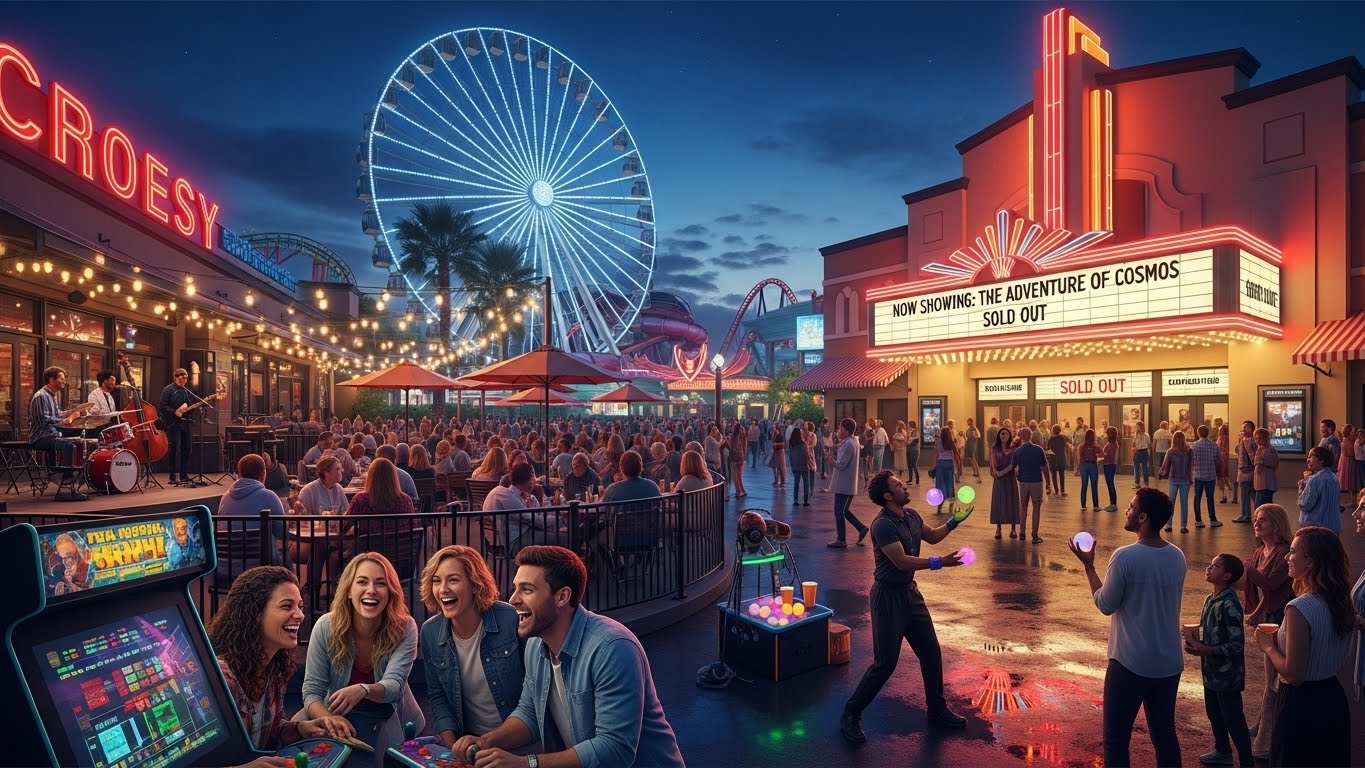

Entertainment is an inseparable part of human life. It is more than just a way to pass time; it reflects culture, evokes emotions, and connects people across generations and geographies. From ancient storytelling to modern streaming platforms, entertainment has continuously evolved while retaining its core purpose: to captivate, inspire, and engage. In this blog, we explore the fascinating journey of entertainment, the modern trends shaping it, and why it remains a fundamental part of human experience.
The Origins of Entertainment
Entertainment has existed since the dawn of human civilization. Before writing and technology, humans relied on oral storytelling, music, and dance to communicate ideas, preserve culture, and entertain communities. Around campfires, elders shared myths, legends, and moral lessons that educated and entertained simultaneously.
These early forms of entertainment were deeply cultural and communal. Music and dance often accompanied storytelling, creating immersive experiences that engaged both the mind and the senses. Ancient civilizations such as the Greeks and Romans formalized entertainment through theater, amphitheaters, and public performances. Greek dramas explored human nature, societal dilemmas, and philosophical themes, while Roman spectacles combined music, dance, and acrobatics. Entertainment was not merely amusement; it served as education, cultural preservation, and a way to strengthen community bonds.
The Birth of Cinema: A Visual Revolution
The invention of motion pictures in the late 19th century marked a transformative moment in entertainment. Cinema allowed stories to be told through moving images, combining performance, music, and narrative in ways never experienced before. Silent films captivated audiences through expressive acting, while the introduction of sound and color added depth, emotion, and realism.
Modern cinema continues to push creative and technological boundaries. Advanced animation, visual effects, and high-definition cameras allow filmmakers to craft stories with breathtaking realism. Films explore complex narratives, highlight diverse cultures, and depict intricate character arcs. Cinema not only entertains but also reflects society, making it a powerful medium for cultural dialogue and social reflection. Watching a film in a theater remains a shared, communal experience that creates lasting emotional memories.
Television: Entertainment Comes Home
Television brought entertainment directly into households, transforming how people consumed stories and media. Families could gather to watch dramas, variety shows, news, and live events, making television a central part of daily life. Iconic TV series created communal experiences and influenced social conversations, shaping trends and public opinion.
The expansion of cable and satellite television offered specialized content for a wide range of interests, including science programs, cooking shows, and educational documentaries. Television also became a platform for cultural commentary, addressing contemporary social issues through drama, comedy, and journalism. It created a sense of intimacy and routine, allowing viewers to engage with stories and ideas in the comfort of their homes.
The Digital Revolution and Streaming Platforms
The rise of the internet and streaming platforms has dramatically reshaped entertainment. Audiences now enjoy on-demand access to movies, TV series, documentaries, and live events. This freedom to choose what and when to watch has transformed viewing habits and storytelling formats. Binge-watching has become a cultural phenomenon, encouraging long-form narratives with complex character development.
Streaming platforms have also democratized entertainment. Independent filmmakers, international creators, and emerging artists can reach global audiences without relying on traditional distribution networks. This accessibility has increased diversity in storytelling, allowing viewers to experience unique perspectives and cultural narratives from around the world. Streaming has made entertainment more personalized, flexible, and inclusive than ever before.
Music: The Heartbeat of Entertainment
Music is one of the oldest and most universal forms of entertainment. It transcends language, evokes emotion, and connects people across cultures. Throughout history, music has been a vital companion to storytelling, rituals, celebrations, and social gatherings.
The digital era has transformed music consumption. Streaming services provide instant access to millions of songs worldwide, while social media and video platforms allow artists to reach global audiences. Viral trends can turn a single song into an international sensation almost overnight. Despite technological advancements, music continues to inspire, comfort, and unite listeners. Its emotional power remains unmatched, creating shared experiences that resonate deeply with audiences.
Video Games: Interactive Entertainment
Video games have grown from simple digital amusements into a major pillar of modern entertainment. Once limited in scope, games now feature immersive worlds, complex storylines, and interactive gameplay that engages players on multiple levels. Gaming is no longer a solitary activity; online and multiplayer platforms connect people globally, encouraging collaboration, competition, and social interaction.
Esports has emerged as a major component of entertainment, with competitive tournaments drawing massive audiences and professional players gaining celebrity status. Beyond recreation, games develop cognitive skills, strategic thinking, and creativity. Virtual reality and augmented reality gaming are expanding possibilities even further, offering interactive environments where players experience stories firsthand. Gaming is a medium that combines artistry, technology, and human connection in unique ways.
Social Media and the New Age of Entertainment
Social media has revolutionized how people experience entertainment. Audiences are no longer passive consumers; they create, share, and engage with content. Viral videos, challenges, and influencer-driven trends spread rapidly, shaping pop culture and redefining fame.
Social media platforms have empowered ordinary individuals to become entertainers. Short videos, live streams, and user-generated content allow anyone with creativity to reach global audiences. Fans interact directly with creators, forming communities and personal connections. This interactivity has democratized entertainment, making it collaborative, inclusive, and continuously evolving.
The Psychology of Entertainment
Entertainment fulfills deep psychological needs. Humans are naturally drawn to stories because they help us understand the world, explore emotions, and develop empathy. Engaging with entertainment provides mental stimulation, stress relief, and a sense of escapism.
Movies, music, games, and literature activate different cognitive and emotional pathways in the brain, creating memorable and immersive experiences. Emotional investment in characters and narratives provides satisfaction, excitement, and a sense of connection. Entertainment allows people to experience emotions safely, explore alternative realities, and reflect on their own lives through the lens of stories.
Globalization and Cultural Exchange
Entertainment today is increasingly global. Audiences can access content from all corners of the world, broadening perspectives and fostering cultural understanding. International films, music, and video games encourage collaboration and appreciation across diverse societies.
Globalization has also influenced storytelling. Audiences now expect narratives that reflect multiple perspectives, lifestyles, and cultures. This has led to a richer, more diverse entertainment landscape where innovation and inclusivity thrive. Entertainment has become a bridge between cultures, creating shared experiences that unite audiences worldwide.
The Future of Entertainment
The future of entertainment promises deeper immersion, interactivity, and personalization. Virtual reality and augmented reality are redefining how people experience stories, games, and performances. Artificial intelligence may soon create adaptive narratives that respond in real-time to audience choices, making experiences highly personalized.
Despite technological advancements, the essence of entertainment remains unchanged: it is about storytelling, emotion, and human connection. Technology enhances accessibility and immersion, but the desire to be entertained, inspired, and connected continues to drive the evolution of the industry. Entertainment will remain a vital part of human life, evolving alongside creativity and innovation.
Conclusion: Entertainment as a Reflection of Humanity
Entertainment is far more than leisure; it is a reflection of human culture, values, and emotion. From ancient storytelling and music to cinema, video games, and digital platforms, it captures experiences, sparks imagination, and fosters connection.
As technology continues to advance, entertainment will continue to evolve, offering new ways to engage, inspire, and connect audiences. Yet its fundamental purpose remains constant: to tell stories, evoke emotions, and bring people together. Entertainment celebrates creativity, preserves culture, and reminds us of our shared humanity. It is an ever-present thread in the human experience, shaping how we see the world and each other.