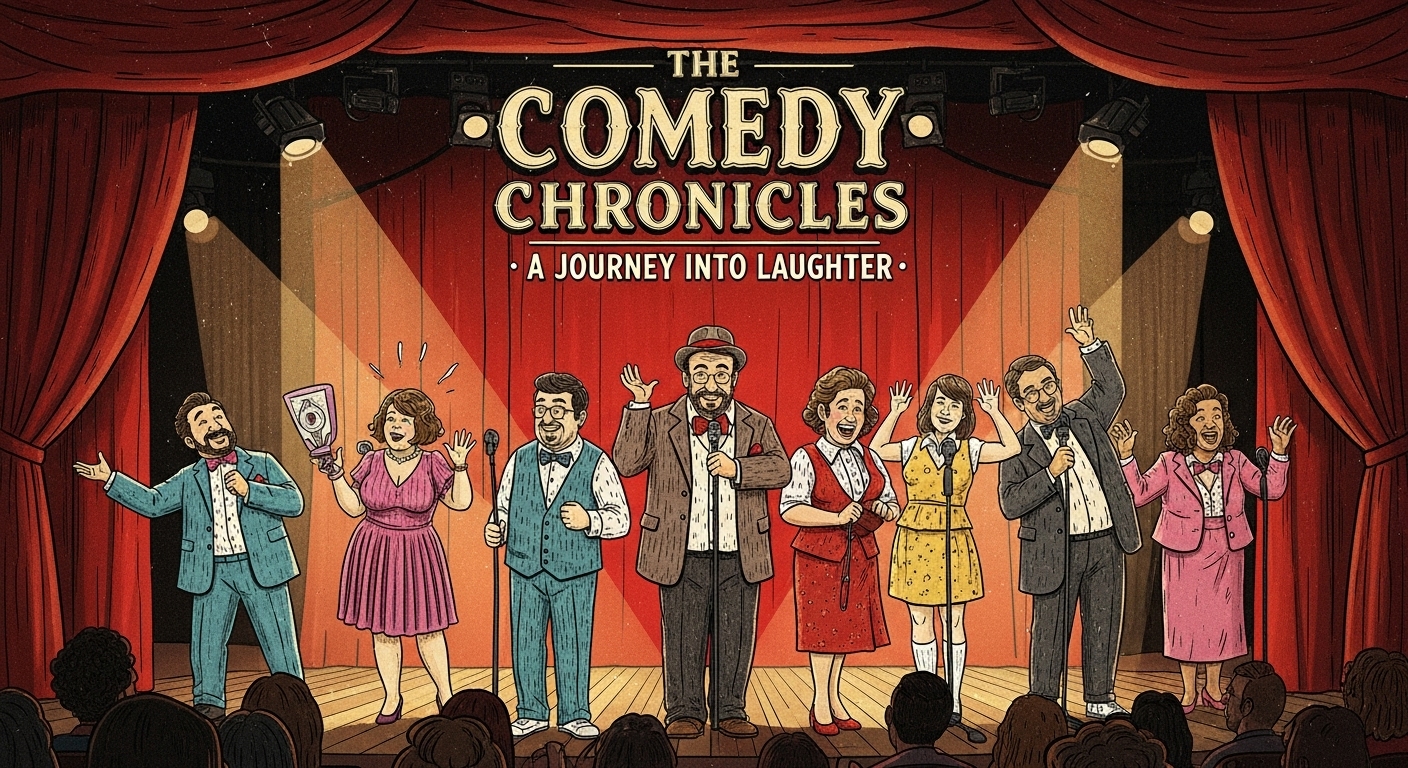
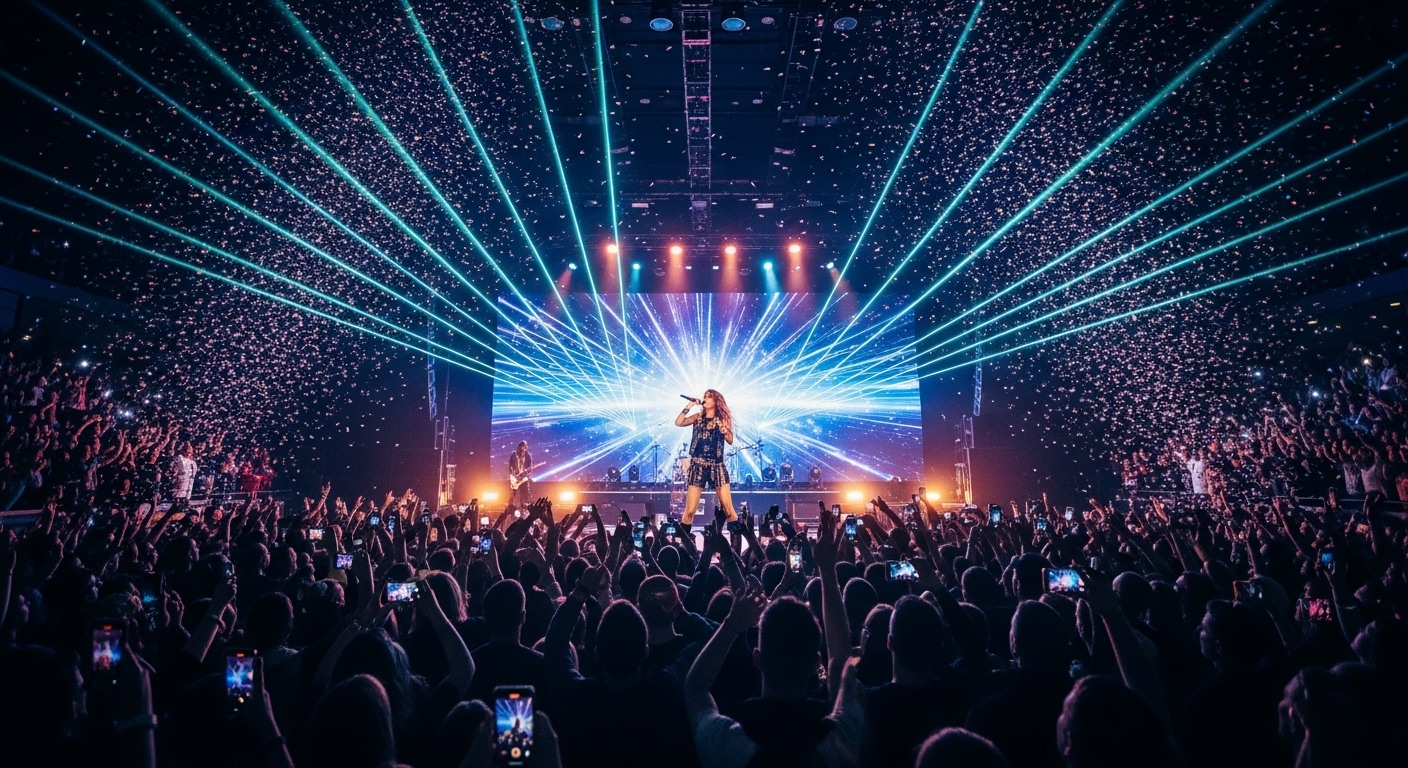
Entertainment has always been a powerful force in human society. From ancient theatrical performances and folk storytelling to today’s blockbuster movies, chart-topping songs, viral memes, and streaming platforms, entertainment influences how people think, act, and interact. Over time, it has become more than just a source of amusement—it is one of the main drivers of popular culture.
Pop culture, short for popular culture, represents the trends, ideas, images, beliefs, and practices that dominate mainstream society at a given moment. It is dynamic, ever-changing, and often shaped by the entertainment industries of music, film, television, gaming, and now social media. Understanding how entertainment shapes pop culture requires looking at the way it reflects societal values, amplifies trends, and creates shared cultural experiences.
This blog post explores the many dimensions of how entertainment shapes pop culture, analyzing the historical evolution, the major industries at play, the role of technology, and its lasting cultural influence.
The Relationship Between Entertainment and Pop Culture
Entertainment and pop culture are interconnected. Entertainment provides the content, while pop culture represents the audience’s response, adoption, and transformation of that content. Movies, music, television, and digital platforms introduce stories, styles, and icons that audiences embrace, reinterpret, and spread.
The cycle works both ways. Entertainment shapes pop culture, but pop culture also influences entertainment. For example, when a particular music style becomes popular in youth culture, the entertainment industry adapts by producing more of it. Similarly, when a film becomes a cultural phenomenon, it sparks fashion trends, language shifts, and even changes in how people view society.
Historical Perspective: Entertainment as a Cultural Force
The influence of entertainment on culture is not new. Throughout history, various forms of entertainment have shaped the values, beliefs, and practices of societies.
Ancient Entertainment
In ancient Greece, theatrical performances reflected philosophical questions about morality, politics, and human nature. Roman gladiatorial games, while brutal, became symbols of power and unity within the empire.
Medieval and Renaissance Eras
In the medieval period, traveling performers and religious plays influenced cultural narratives, while during the Renaissance, art and theater flourished, shaping ideas about humanism, creativity, and knowledge. Shakespeare’s plays, for example, not only entertained but also contributed to the English language and cultural identity.
The 20th Century and Mass Media
The 20th century marked the rise of mass entertainment—radio, film, and television—which expanded entertainment’s cultural reach. Hollywood movies set global beauty standards, television created household names, and music defined entire generations. From rock and roll in the 1950s to hip-hop in the 1980s, each era reflected and reshaped popular culture.
Music as a Driver of Pop Culture
Music has always been one of the most powerful influences on pop culture. It does more than entertain—it becomes the soundtrack of social change and personal identity.
Music and Fashion
Artists often spark fashion movements. From Elvis Presley’s rebellious style to Madonna’s bold looks and modern pop icons’ trend-setting outfits, music stars inspire how fans dress and express themselves.
Music and Social Movements
Songs also become rallying cries for social change. Protest songs in the 1960s supported civil rights and anti-war movements, while hip-hop has long given voice to marginalized communities. Today, music continues to reflect social issues, from climate change to equality.
Globalization of Music
The digital era has made music more global than ever. K-pop, Afrobeat, and Latin music have transcended borders, reshaping pop culture by blending global sounds and creating international fan communities.
Film and Its Cultural Impact
Movies are more than entertainment; they are cultural artifacts. Films tell stories that shape how societies understand themselves and others.
The Creation of Icons
From Marilyn Monroe to superheroes like Spider-Man and Black Panther, film creates cultural icons who become symbols of beauty, strength, rebellion, or social justice.
Shaping Ideals and Beliefs
Movies influence cultural attitudes. For instance, war films can shape public perceptions of patriotism and sacrifice, while romantic comedies often influence expectations of love and relationships.
Representation and Diversity
Film also reflects cultural conversations about identity and diversity. The increasing visibility of underrepresented groups in films has helped redefine what is considered mainstream. A movie like Black Panther showed the importance of cultural representation and became a milestone in both cinema and pop culture.
Television as a Mirror of Society
Television has historically been one of the most accessible and influential mediums for shaping pop culture.
The Rise of Shared Experiences
Television once created collective cultural moments. Families gathered to watch the same shows, and popular sitcoms or dramas defined entire generations. Classic shows introduced catchphrases, fashion trends, and even influenced political discourse.
Reality Television and Celebrity Culture
The rise of reality television blurred the line between entertainment and everyday life. Shows turned ordinary people into celebrities overnight, reshaping how fame was perceived. Reality television also fueled interest in lifestyles, trends, and personalities that became part of cultural conversations.
Streaming and Binge Culture
Today, streaming has revolutionized television, making series available on demand. This shift has changed viewing habits, with binge-watching becoming a defining cultural trend. Popular series now dominate online discussions and memes, shaping digital pop culture.
Sports and Entertainment in Pop Culture
Sports are not only competitions but also major forms of entertainment that shape pop culture.
Athletes as Icons
Athletes like Muhammad Ali, Michael Jordan, Serena Williams, and Lionel Messi transcend sports to become cultural icons. Their achievements, style, and activism influence music, fashion, and global trends.
Events as Cultural Spectacles
Events like the Olympics or the Super Bowl are more than sports—they are cultural spectacles that merge entertainment, advertising, and performance. Halftime shows, ceremonies, and advertisements contribute as much to cultural conversations as the games themselves.
Gaming and Digital Entertainment
Video games have emerged as a major entertainment industry that significantly influences pop culture.
Gaming Communities
Games create communities where fans share experiences, create content, and develop their own cultural norms. Characters like Mario, Lara Croft, and Master Chief have become global icons.
Esports and Streaming
The rise of esports and game streaming has elevated gaming into mainstream entertainment. Gamers now enjoy celebrity status, and gaming-related memes and trends dominate internet culture.
Storytelling and Influence
Modern video games often feature complex narratives that rival films and television, shaping cultural debates about morality, identity, and technology.
Social Media and Viral Culture
In the digital age, social media has amplified entertainment’s influence on pop culture. Platforms like TikTok, Instagram, and YouTube are not only distribution channels but also cultural engines.
Viral Trends
A song, movie clip, or dance can go viral within hours, reaching global audiences. Memes, challenges, and fan-made content spread entertainment far beyond its original medium.
Influencer Culture
Social media influencers, many of whom rise from entertainment-related content, redefine celebrity culture. They shape trends, influence purchasing behavior, and introduce new forms of storytelling.
Direct Connection Between Fans and Creators
Social media has eliminated the distance between celebrities and audiences. Fans can interact directly with stars, shaping conversations and contributing to cultural movements.
Fashion and Lifestyle Through Entertainment
Entertainment continuously influences fashion and lifestyle choices. Characters, musicians, and celebrities often set trends that fans quickly adopt.
From Screen to Street
Clothing seen in films or music videos often translates directly into street fashion. For example, the popularity of sneakers and streetwear owes much to musicians, athletes, and movies.
Lifestyle Ideals
Entertainment also shapes ideals around fitness, beauty, and wellness. Workout trends inspired by celebrities, diets promoted by influencers, and makeup styles popularized by music videos all reflect the deep integration of entertainment into everyday life.
The Role of Technology in Entertainment and Pop Culture
Technological innovation has accelerated the link between entertainment and pop culture.
The Internet and Accessibility
The internet democratized access to entertainment, allowing audiences worldwide to consume content instantly. This created a global pop culture where fans from different countries share similar entertainment experiences.
Streaming Platforms
Streaming revolutionized how entertainment is delivered, making content more accessible while also shaping cultural consumption patterns like binge-watching.
Virtual and Augmented Reality
Emerging technologies such as VR and AR are expanding entertainment experiences, promising to further influence pop culture in immersive ways.
Entertainment as a Reflection of Society
Entertainment shapes pop culture, but it also reflects societal values. Movies, music, and shows often address contemporary issues—war, inequality, love, technology, and identity. By doing so, they not only entertain but also guide conversations about who we are and where we are headed.
Pop culture becomes a record of history through entertainment. The music of the 1960s, the sitcoms of the 1990s, and the films of the 2000s each capture the spirit of their time.
Challenges of Entertainment’s Influence
While entertainment has positive cultural impacts, it also brings challenges.
Consumerism and Materialism
Entertainment-driven pop culture can sometimes emphasize consumerism, encouraging audiences to equate happiness with possessions and appearances.
Representation Issues
Despite progress, not all groups are equally represented in entertainment. Stereotypes or exclusion can reinforce cultural biases rather than break them.
Oversaturation and Short Attention Spans
The rapid pace of entertainment-driven culture can lead to oversaturation. Trends change quickly, and audiences may struggle to keep up, resulting in fleeting cultural phenomena.
The Future of Entertainment and Pop Culture
As technology advances, entertainment’s role in shaping pop culture will only intensify. Artificial intelligence may personalize content, virtual reality could redefine immersion, and global streaming will further unify cultural experiences.
The future will also likely see even greater participation from audiences. Rather than being passive consumers, fans will increasingly co-create pop culture through social media, gaming, and interactive entertainment.
Conclusion
Entertainment is not just about fun; it is a cultural force that shapes how people live, think, and connect. From music and film to television, sports, gaming, and digital media, entertainment influences fashion, language, social norms, and even global identity.
By creating shared experiences and iconic moments, entertainment weaves itself into the fabric of pop culture. It reflects society while simultaneously driving it forward, constantly shaping what is considered mainstream. As new technologies emerge and audiences evolve, entertainment will continue to be the heartbeat of pop culture, defining generations and leaving a lasting imprint on the world.