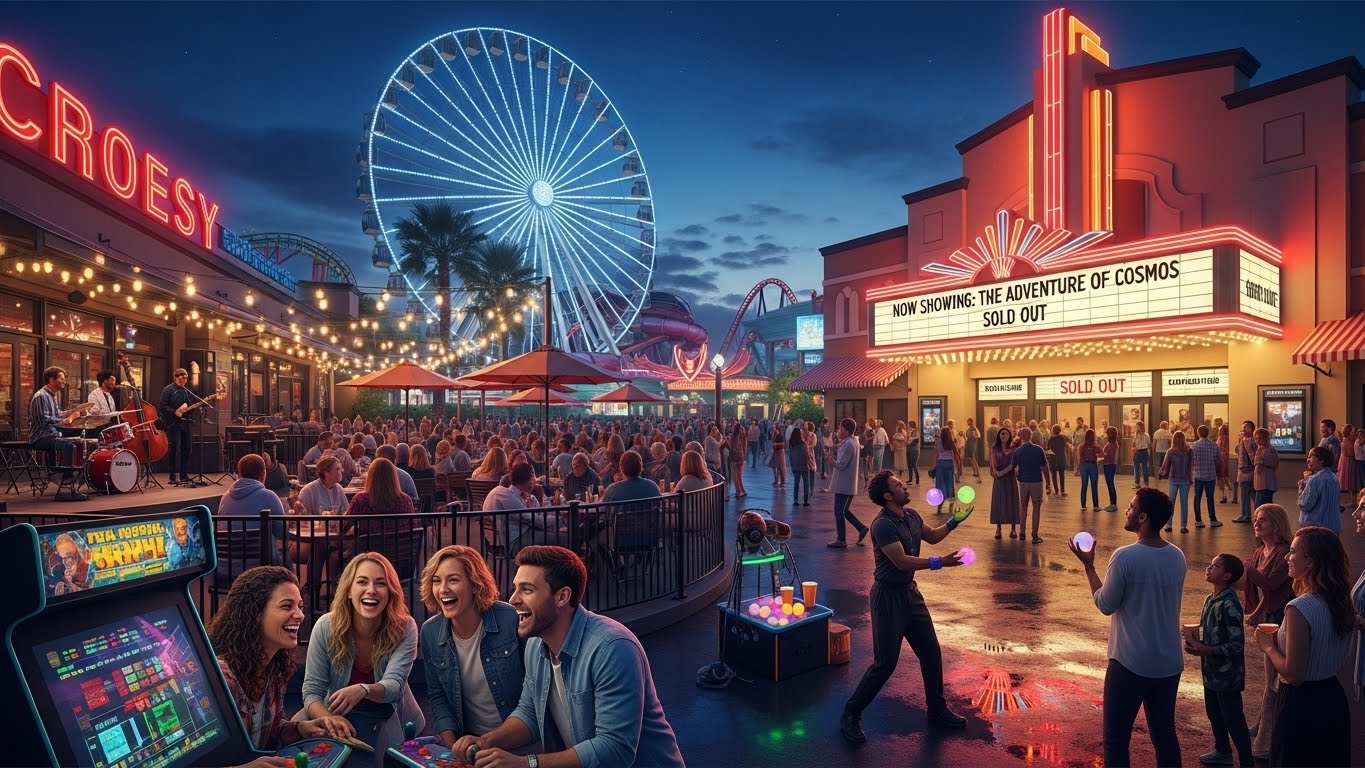

Introduction: The Power and Purpose of Entertainment
Entertainment is an essential part of human life. It captivates, inspires, and offers a reprieve from the demands of daily routines. From music, theatre, and cinema to video games, sports, and digital content, entertainment has the power to evoke emotions, spark imagination, and connect people across cultures. Beyond mere distraction, it reflects societal values, challenges perceptions, and often serves as a mirror to our own experiences. In a world that is increasingly fast-paced and stressful, entertainment plays a critical role in providing balance, joy, and a sense of community. This blog explores the evolution of entertainment, its cultural significance, its social and psychological benefits, and the way it continues to influence our lives.
The Historical Evolution of Entertainment
Entertainment has evolved alongside human civilization. In ancient societies, storytelling, music, and live performances were central to community life. Ceremonial dances, theatrical plays, and poetry recitals were more than amusement—they conveyed history, values, and moral lessons. With the invention of the printing press, literature became a major source of entertainment and education. The advent of radio and cinema in the early 20th century transformed entertainment into a mass medium, reaching audiences far beyond local communities. Television further expanded access, bringing stories, news, and variety shows directly into homes. The digital revolution introduced the internet, video games, and streaming platforms, offering on-demand access to virtually limitless entertainment options. Each stage of this evolution reflects humanity’s desire to experience joy, creativity, and connection.
Cinema: Storytelling in Motion
Cinema is one of the most influential forms of entertainment. Films have the unique ability to combine storytelling, visual art, music, and performance into immersive experiences. Through movies, audiences can explore different cultures, historical periods, and fictional worlds. Cinema entertains, educates, and inspires by reflecting society and human emotions. Beyond narrative, films influence fashion, music, and social trends, becoming cultural touchstones that unite audiences globally. The evolution of cinematic technology—from silent films to high-definition digital productions and virtual reality—continues to enhance the immersive experience of storytelling.
Music: The Universal Language
Music has always been an integral part of entertainment. It transcends language and cultural barriers, evoking emotion and shaping experiences. Music accompanies celebrations, rituals, and personal reflection, making it both a communal and individual form of entertainment. From classical symphonies to contemporary pop and electronic music, genres cater to diverse tastes and moods. Music also plays a role in identity formation, connecting people to cultural heritage and personal memories. Digital platforms have made music more accessible than ever, allowing artists to reach global audiences and listeners to explore a vast array of styles.
Television and Streaming: Redefining Access
Television revolutionized home entertainment by providing visual storytelling directly to audiences. The rise of streaming platforms has further transformed the way people consume content, enabling on-demand access and personalized viewing experiences. Binge-watching series and exploring niche content have become a cultural phenomenon. Streaming also fosters global exposure to different cultures, ideas, and perspectives, broadening horizons and creating a shared global entertainment experience. The flexibility and convenience of streaming demonstrate how technology continues to reshape how entertainment is accessed and consumed.
Theatre and Live Performances
Despite technological advancements, live performances retain a unique appeal. Theatre, concerts, dance shows, and stand-up comedy create immersive experiences that cannot be replicated digitally. The connection between performers and audiences, the immediacy of reactions, and the shared atmosphere contribute to the emotional power of live entertainment. Theatre often addresses social and cultural themes, providing both entertainment and reflection. Live performances foster community engagement, cultural expression, and a deeper appreciation of human creativity.
Gaming as Entertainment
Gaming has emerged as a dominant force in modern entertainment. Video games offer interactive experiences that challenge players intellectually, emotionally, and socially. From casual mobile games to competitive esports, gaming caters to a wide audience. It combines problem-solving, strategy, and storytelling with immersive visuals and sound, offering unique experiences that are both engaging and rewarding. Multiplayer games and online communities also enhance social interaction, allowing players to collaborate, compete, and connect globally. Gaming demonstrates how entertainment can be interactive, participatory, and culturally influential.
Sports: The Thrill of Competition
Sports serve as both entertainment and social bonding. Spectators enjoy the excitement, drama, and emotional highs of athletic competition, while participants develop physical skills, discipline, and teamwork. Sporting events unite communities, nations, and cultures, creating shared experiences and collective pride. From local leagues to international tournaments, sports offer narratives of heroism, perseverance, and achievement. Beyond entertainment, sports promote health, inclusivity, and social cohesion, highlighting their multidimensional role in society.
Digital and Online Entertainment
The rise of digital entertainment has transformed accessibility and creativity. Social media, streaming platforms, podcasts, and online videos provide endless content tailored to individual interests. Digital entertainment allows creators to reach global audiences, democratizing the industry and enabling diverse voices to thrive. Online communities centered around shared interests foster social engagement, discussion, and collaboration. Digital entertainment reflects the evolving ways people seek connection, amusement, and information in an interconnected world.
The Psychological Benefits of Entertainment
Entertainment serves essential psychological functions. It offers relaxation, stress relief, and emotional engagement. Engaging with stories, music, or games provides an escape from daily pressures, while also stimulating cognitive functions like imagination, problem-solving, and critical thinking. Shared entertainment experiences strengthen social bonds, reducing feelings of isolation and fostering belonging. Whether through laughter, excitement, or reflection, entertainment enriches emotional well-being and supports mental health.
Cultural Impact of Entertainment
Entertainment shapes and reflects culture. Films, music, literature, and games often address social issues, explore identity, and challenge norms. Entertainment influences trends, language, and social behaviors, while preserving cultural heritage and traditions. It also serves as a vehicle for cultural exchange, exposing audiences to global perspectives and fostering empathy. By shaping collective imagination and societal values, entertainment plays a pivotal role in cultural development and continuity.
Economic Significance of Entertainment
Entertainment is a major economic driver, generating revenue through film, music, gaming, sports, live performances, and digital content. Industries surrounding entertainment employ millions of people worldwide, from artists and performers to producers, developers, and marketers. Major events, such as concerts, tournaments, and premieres, stimulate tourism and local economies. The business of entertainment demonstrates how creativity and commerce intersect, producing cultural value while contributing to economic growth.
The Future of Entertainment
The future of entertainment is intertwined with technology, creativity, and audience engagement. Virtual reality, augmented reality, and artificial intelligence are creating immersive, interactive experiences. Personalized content, streaming innovations, and digital collaboration are redefining how people access and enjoy entertainment. Global connectivity allows cross-cultural collaboration, bringing diverse perspectives and ideas into creative projects. As entertainment continues to evolve, it will remain a vital part of human life, reflecting societal change and shaping cultural identity for generations to come.
Conclusion: Entertainment as a Lifelong Companion
Entertainment is more than leisure; it is a cultural, social, and psychological necessity. It connects people, inspires creativity, and provides emotional and intellectual fulfillment. From traditional forms like theatre and music to digital innovations, gaming, and streaming, entertainment adapts to human needs and societal evolution. It fosters community, preserves culture, and drives economic and technological progress. In a world of constant change, entertainment remains a timeless source of joy, reflection, and shared human experience, reminding us of the value of creativity, imagination, and connection.