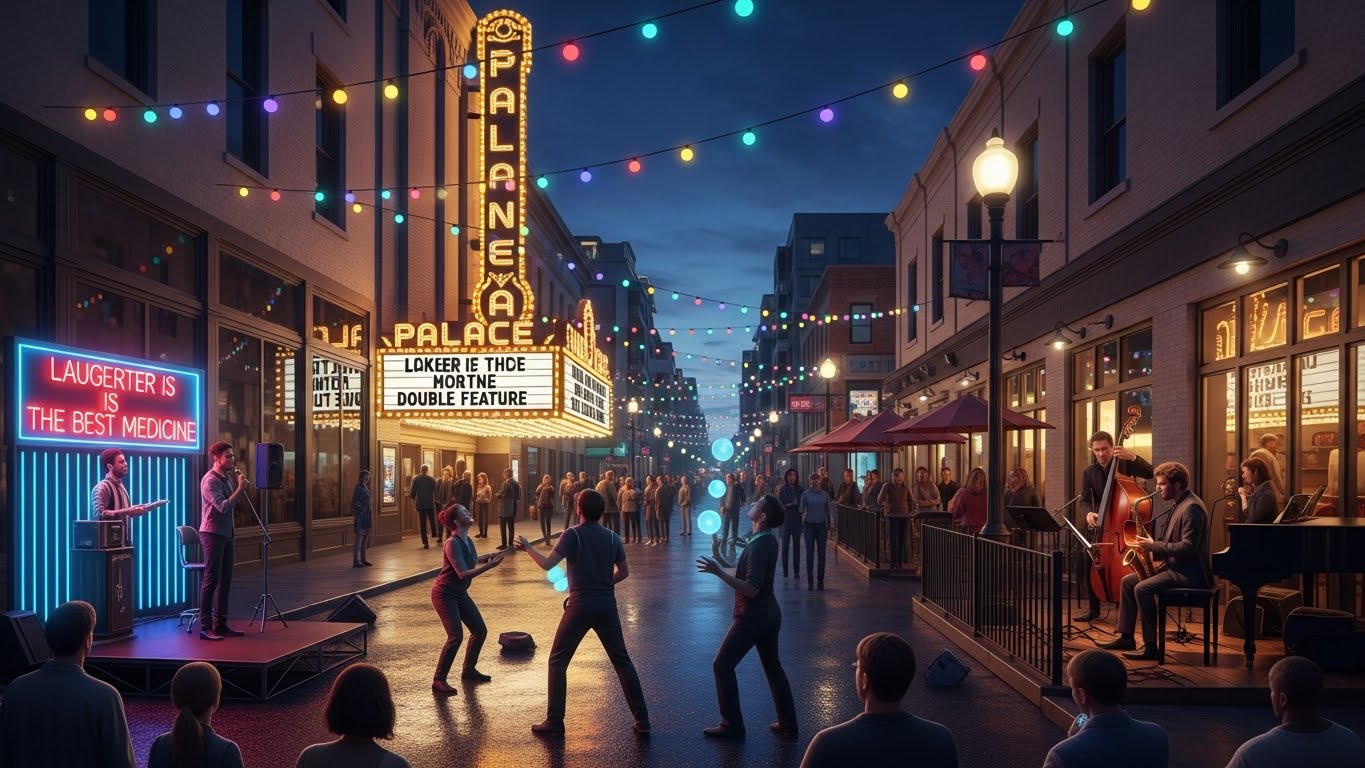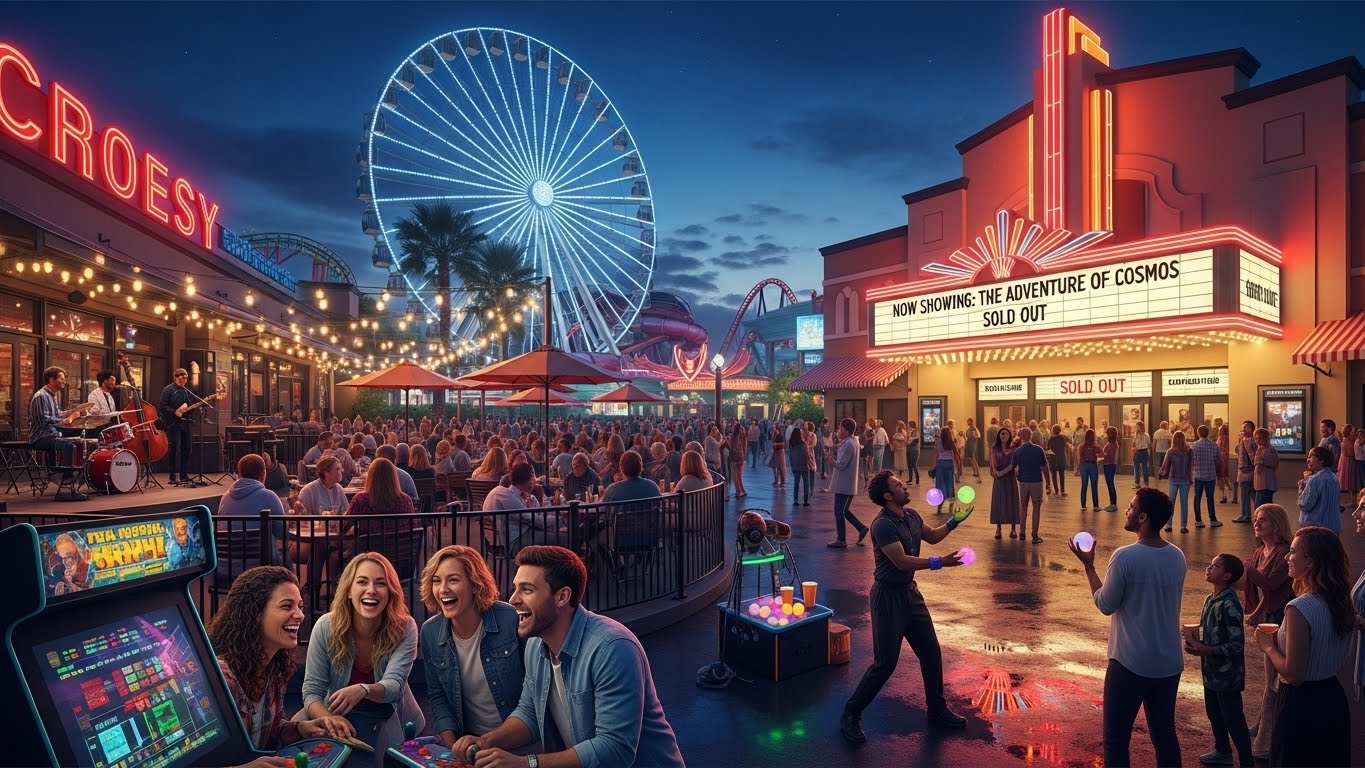
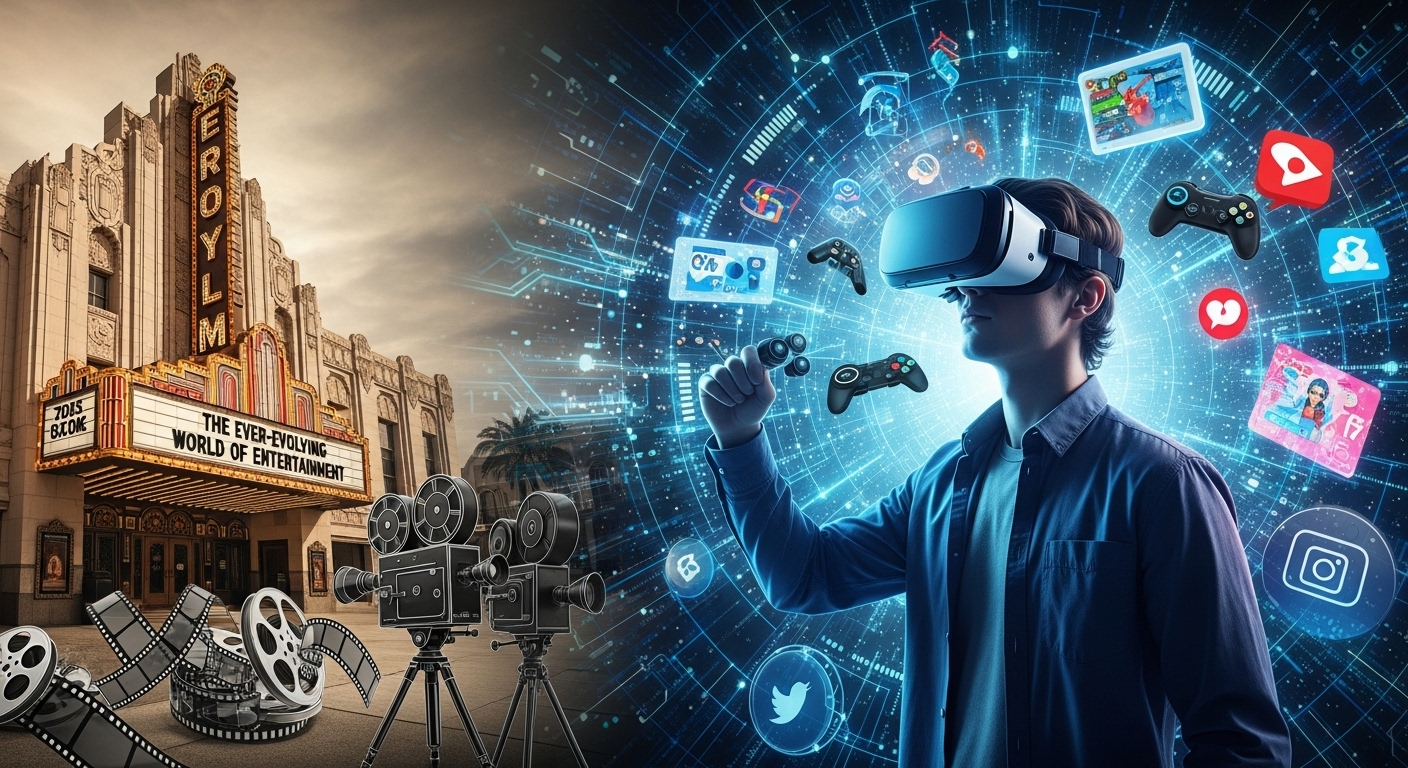
Entertainment has always played a pivotal role in human society. From the earliest cave paintings to the sprawling digital universes of today, our innate desire to be captivated, amused, and inspired has fueled countless forms of storytelling, performance, and creative expression. Entertainment is more than just a pastime; it is a reflection of our culture, a mirror of societal trends, and sometimes, an escape from the harsh realities of life. In this blog, we’ll explore various dimensions of the entertainment world, its evolution, the psychology behind why we consume it, and how it continues to shape our modern lives.
The Evolution of Entertainment: From Ancient Times to Modern Spectacles
Human beings have always sought ways to engage their senses and minds. In ancient civilizations, entertainment took on forms that were deeply intertwined with religion, politics, and social structure. The Greeks brought us theater, where tragedies and comedies explored the depths of human emotion. Roman arenas offered gladiatorial games, spectacles designed to awe and sometimes terrify audiences.
As societies evolved, so did entertainment. The Middle Ages introduced traveling minstrels, fairs, and jousting tournaments. With the invention of the printing press, literature became a form of accessible entertainment, allowing stories to spread far beyond the limits of oral tradition. The 20th century revolutionized entertainment through film, radio, and television, bringing immersive experiences into homes worldwide. Today, streaming platforms, video games, and social media have created a digital entertainment ecosystem, where content is personalized, interactive, and instantaneous.
The Psychology of Entertainment: Why We Are Drawn to Stories
At the core of entertainment is human psychology. We are wired to seek stories because they help us make sense of the world, evoke emotions, and even teach us about human nature. Movies, television, music, and literature all serve as emotional stimuli. The thrill of suspense in a mystery novel or the cathartic release from a tear-jerking film taps into our emotional circuitry, giving our brains a controlled experience of stress and relief.
Furthermore, entertainment provides an escape. When life becomes overwhelming, immersing ourselves in a fictional universe or attending a live concert allows temporary relief. It’s a safe space where we can confront fears, experience joy, and explore alternate realities without personal risk. This psychological function explains why people often binge-watch series, attend concerts, or play immersive video games for hours on end.
The Golden Age of Cinema: More Than Just Moving Pictures
Cinema is perhaps one of the most influential forms of modern entertainment. From the silent films of the early 1900s to today’s CGI-laden blockbusters, the medium has constantly reinvented itself. Classic films like Casablanca and Gone with the Wind set standards for storytelling and cinematic techniques. Hollywood, Bollywood, and global film industries have evolved into cultural powerhouses, shaping societal trends, fashion, and even political perspectives.
Today, cinema is not just about watching a story unfold on the big screen. It has become a multi-sensory experience. IMAX theaters, 4D screenings, and immersive sound systems bring films to life, making viewers feel like they are part of the narrative. This technological evolution demonstrates the human desire for ever-greater immersion, and it highlights how entertainment adapts to meet the growing expectations of audiences.
Television and Streaming: Redefining How We Consume Stories
Television has always been a communal experience. Families would gather around a single screen, sharing laughs, tears, and suspense. Iconic shows became cultural touchstones, sparking conversations and debates across communities.
With the rise of streaming platforms, however, television has become deeply personal. Binge-watching has replaced weekly episodes, and the concept of appointment viewing is fading. Viewers now have unprecedented control over what, when, and how they consume content. This shift has influenced storytelling itself, with creators producing intricate narratives designed to keep audiences hooked for long periods. The lines between television and film are blurring, creating a hybrid entertainment landscape that is more immersive and varied than ever before.
Music: The Universal Language of Emotion
Music is arguably one of the most profound forms of entertainment. Across cultures and centuries, it has united people, expressed collective identity, and evoked emotions that words alone cannot capture. From classical compositions by Beethoven to modern pop anthems, music transcends boundaries and time.
Live concerts offer a unique communal experience. Feeling the bass reverberate through your chest, singing along with thousands of strangers, or witnessing the raw energy of a live performance creates memories that no recording can replicate. Meanwhile, digital music streaming has made it easier than ever for listeners to explore diverse genres, discover emerging artists, and customize their auditory experiences. Music’s adaptability and emotional resonance make it a cornerstone of entertainment worldwide.
Video Games: The Interactive Revolution
Video games have transformed entertainment from passive consumption to active participation. Unlike movies or books, games allow audiences to influence the outcome of stories, explore interactive worlds, and test their problem-solving skills. From classic arcade games to sprawling open-world adventures, gaming has evolved into a multi-billion-dollar industry that rivals Hollywood.
The social aspect of gaming cannot be overstated. Online multiplayer games connect people from around the globe, creating communities centered around shared challenges and achievements. Esports tournaments attract millions of viewers, turning competitive gaming into a spectator sport that is as thrilling to watch as it is to play. In essence, video games represent the next frontier of entertainment, where immersion, interactivity, and storytelling converge.
Celebrity Culture: The Fascination with Fame
Entertainment is not just about content; it’s about the people who create it. Celebrities, influencers, and public figures are a central aspect of the entertainment ecosystem. Society’s fascination with fame stems from a desire to emulate, critique, or simply marvel at the lives of those in the spotlight.
The rise of social media has transformed celebrity culture. Fans no longer rely solely on magazines or television; they can interact directly with stars, gaining unprecedented access to personal lives and behind-the-scenes moments. This connection blurs the line between performer and audience, creating an ongoing dialogue that shapes trends, values, and even social movements.
The Impact of Entertainment on Society
Entertainment is more than escapism; it is a lens through which we examine our world. Films, television, music, and games reflect societal values, challenge norms, and spark conversations. Satire and comedy critique politics and social issues, while dramas explore moral dilemmas and human behavior.
Moreover, entertainment drives economic growth, creates jobs, and fosters innovation. From film studios and gaming companies to live events and streaming services, millions of people are employed in industries that cater to our collective desire for enjoyment. Its influence extends to fashion, technology, and even education, highlighting the interconnected nature of culture and commerce.
Trends Shaping the Future of Entertainment
As technology continues to advance, the entertainment industry is poised for even greater transformation. Virtual reality and augmented reality are creating immersive experiences that blur the line between real and digital worlds. Artificial intelligence is being used to personalize content, generate music, and even assist in storytelling.
Sustainability is also becoming a focus, with productions seeking eco-friendly practices and audiences demanding more conscious entertainment. Furthermore, global collaboration is on the rise, with cross-cultural projects bringing diverse stories to the forefront and fostering a more interconnected global culture.
Why We Keep Coming Back
At its core, entertainment fulfills a fundamental human need: the need for connection, excitement, and emotional engagement. Whether it’s the thrill of a plot twist, the joy of a catchy melody, or the camaraderie of a shared experience, entertainment provides a temporary but profound respite from the ordinary. It reminds us of our humanity, our dreams, and our capacity for imagination.
Ultimately, entertainment is a reflection of us—our fears, desires, and aspirations. It evolves as we evolve, adapting to our tastes, technologies, and cultural shifts. It has the power to move us, challenge us, and bring us together in ways few other forces can.
Conclusion: The Timeless Magic of Entertainment
The world of entertainment is vast, diverse, and ever-changing. From ancient storytelling traditions to modern digital platforms, it continues to captivate, inspire, and unite humanity. As we embrace new technologies, global perspectives, and creative innovations, entertainment will undoubtedly remain an essential part of the human experience.
In a fast-paced world filled with responsibilities and challenges, entertainment offers a much-needed sanctuary—a place where we can laugh, cry, dream, and explore. Its magic lies not only in the stories it tells or the performances it showcases but in its ability to connect us to something larger than ourselves: the shared joy of being human.
Entertainment is not just a diversion; it is an essential thread in the fabric of life, a timeless testament to our imagination, resilience, and boundless creativity. As long as there are stories to tell, songs to sing, and worlds to explore, humanity will continue to be entertained—and inspired.