Introduction
Entertainment has been an essential part of human culture since time immemorial. From the first storytelling sessions around a fire to today’s immersive virtual reality experiences, the ways we seek amusement, engagement, and relaxation have continuously evolved. Entertainment is not just about passing time; it reflects societal values, technological progress, and human creativity. In this blog, we explore the diverse forms of entertainment, their evolution, and how they shape our lives today.
The Historical Roots of Entertainment
Human beings have always sought ways to escape routine, and the earliest forms of entertainment were deeply connected to community and ritual. Storytelling, music, dance, and theater were the mainstays of ancient societies. Ancient Egyptians, Greeks, and Romans used performances to narrate myths, celebrate victories, and honor the divine. Drama in Greece, for instance, was not just entertainment—it was a social experience that reflected the moral and political ethos of the time.
Similarly, folk music and dances were more than leisure activities. They served as a means of passing down history and culture. Even in societies without written language, entertainment was a vehicle for knowledge, ethics, and social cohesion. This historical perspective reminds us that entertainment is not just a luxury; it is an integral part of human expression.
The Golden Age of Cinema
The invention of film in the late 19th century revolutionized entertainment. The silent films of the early 1900s captivated audiences with moving pictures and exaggerated performances. The subsequent introduction of sound brought a new dimension, creating immersive experiences that were impossible before. The mid-20th century is often referred to as the golden age of cinema, with Hollywood becoming the epicenter of global storytelling.
Movies became cultural phenomena, influencing fashion, language, and even societal norms. Iconic actors and directors turned into household names, and the silver screen became a portal for imagination and escapism. Beyond entertainment, cinema began to serve as a mirror of society, tackling issues like war, poverty, and civil rights, while also offering an avenue for pure fantasy.
Television: Entertainment at Home
The arrival of television brought entertainment into living rooms, transforming how people consumed media. Families could now enjoy dramas, comedies, and variety shows together, creating shared cultural experiences. Television’s episodic format allowed for deeper storytelling over time, fostering emotional connections with characters and narratives.
The late 20th century saw the diversification of content with cable channels offering specialized programming. Sports, news, and reality shows became integral parts of daily life. Television not only entertained but also informed and influenced public opinion. It became a primary medium where culture and entertainment intersected, shaping trends and popular discourse.
Music: The Universal Language
While visual media flourished, music continued to be one of the most enduring forms of entertainment. Its power lies in its ability to evoke emotions, unite people, and define eras. From classical symphonies to rock, hip-hop, and electronic dance music, every genre has its own story and impact on culture.
Live concerts and festivals create communal experiences that are irreplaceable. The evolution of recording technology has also allowed music to reach global audiences, breaking geographical barriers. Streaming platforms have transformed the way we discover and consume music, making it more accessible while also challenging traditional industry models. Music remains a dynamic reflection of human creativity and emotion, constantly adapting to cultural shifts.
The Rise of Digital Entertainment
The digital age has ushered in unprecedented changes in entertainment. Video games, streaming services, and social media platforms have transformed passive consumption into interactive experiences. Video games are no longer just hobbies; they are immersive worlds where players can explore, compete, and create narratives. The industry’s growth rivals that of film and music, demonstrating a shift in how modern audiences engage with entertainment.
Streaming platforms have redefined television and cinema, offering on-demand content tailored to individual preferences. Binge-watching series has become a cultural phenomenon, creating global fan communities that transcend borders. Social media and short-form video content have introduced new forms of creativity, enabling anyone with a smartphone to become a content creator. This democratization of entertainment has made it more diverse, innovative, and accessible than ever before.
Live Experiences: The Human Connection
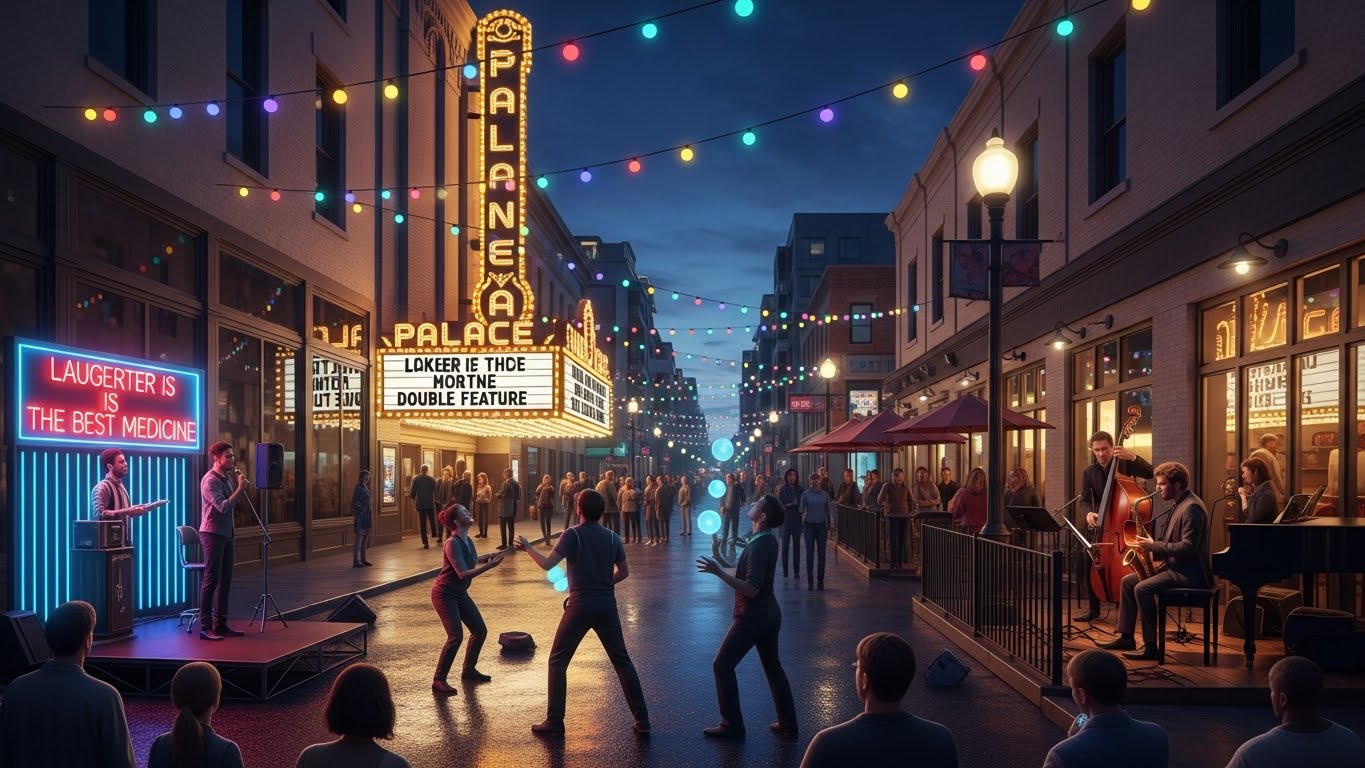
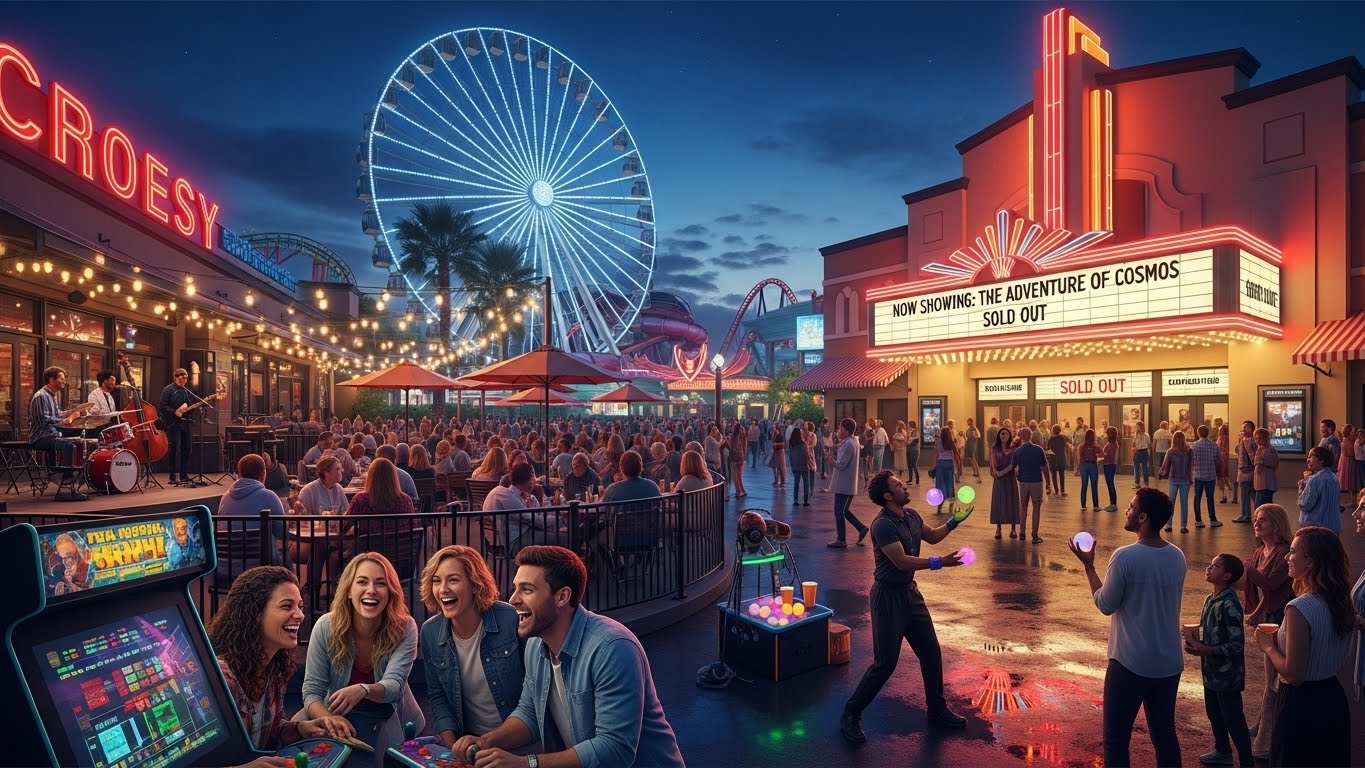
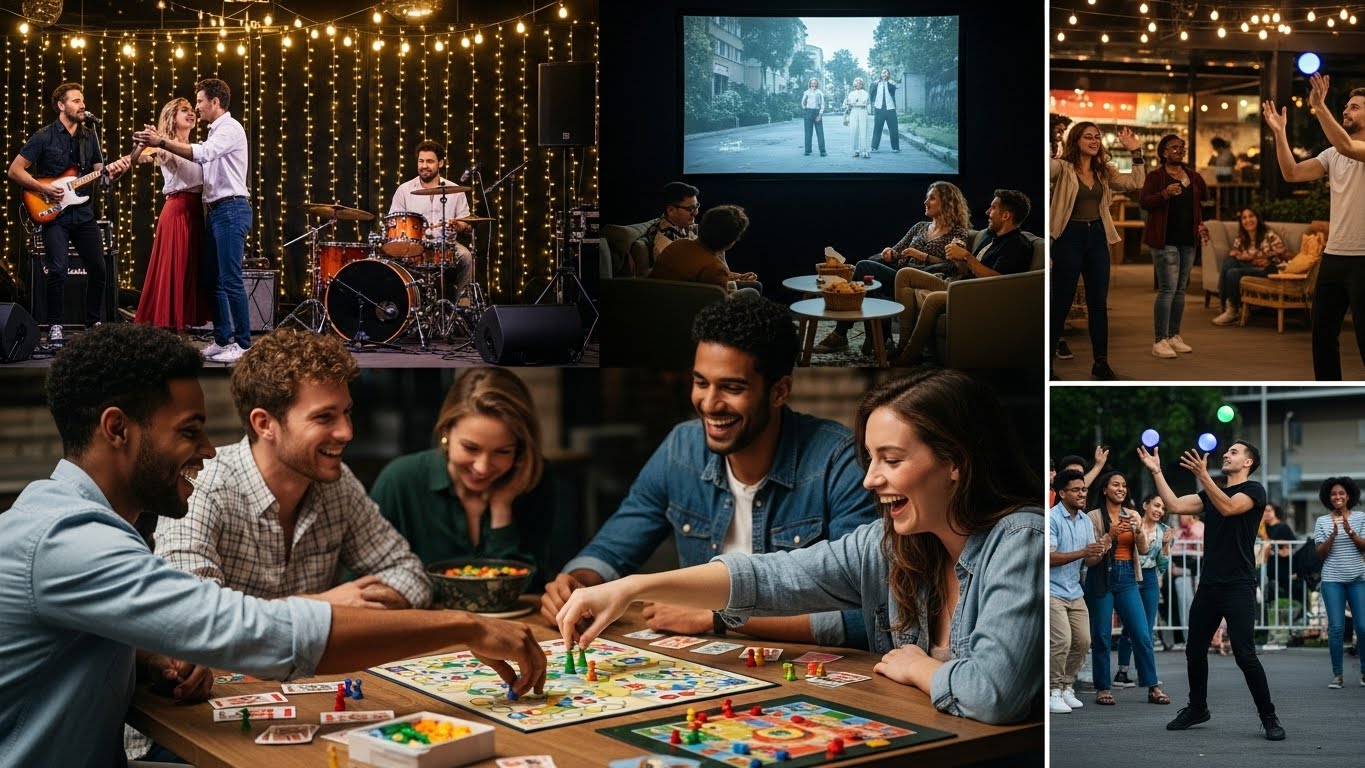
Despite the rise of digital entertainment, live experiences continue to hold a unique charm. Theater performances, concerts, sporting events, and festivals provide an irreplaceable sense of presence and community. The energy of a live audience, the unpredictability of performance, and the shared emotional journey create a connection that digital media cannot fully replicate.
These events also serve as economic engines, supporting artists, technicians, venues, and local businesses. They remind us that entertainment is not solely about consumption but also about participation, engagement, and social bonding. In a world increasingly dominated by screens, live experiences maintain a vital role in preserving the communal and interactive essence of entertainment.
The Psychological Impact of Entertainment
Entertainment is more than just fun—it has profound psychological effects. It offers a way to relax, reduce stress, and escape from daily pressures. Movies, music, games, and other forms of entertainment can provide emotional catharsis, allowing individuals to process complex feelings. Humor, suspense, and drama activate emotional responses, creating memorable experiences that shape our moods and perspectives.
Moreover, entertainment can foster empathy and understanding. Well-crafted stories allow audiences to experience lives and situations far removed from their own, promoting awareness and compassion. Educational content blended with entertainment can enhance learning while keeping engagement high, exemplifying the growing importance of edutainment.
Trends Shaping Modern Entertainment
Several trends are shaping the future of entertainment. First, personalization is key. Algorithms analyze user behavior to recommend content tailored to individual tastes. This ensures a highly customized experience, keeping audiences engaged longer.
Second, immersive technologies like virtual reality (VR) and augmented reality (AR) are redefining storytelling. Audiences can now step inside narratives, interact with characters, and influence outcomes. These experiences are transforming video games, cinema, and even live events.
Third, global collaboration is expanding. Artists, filmmakers, and creators from different cultures are combining talents, creating cross-cultural entertainment that appeals to diverse audiences. This globalization broadens perspectives and creates richer narratives that transcend borders.
Challenges in the Entertainment Industry
While the entertainment industry thrives on innovation, it also faces significant challenges. Piracy, copyright infringement, and content oversaturation threaten creators’ livelihoods. The rapid pace of technological change can leave traditional mediums struggling to keep up.
Additionally, mental health concerns arise from overconsumption of digital entertainment. Excessive screen time can affect sleep, focus, and social interaction. Balancing accessibility, innovation, and responsible consumption is a key challenge for the industry moving forward.
The Future of Entertainment
Looking ahead, the future of entertainment is likely to be more immersive, personalized, and globally interconnected. Artificial intelligence and machine learning may help create adaptive content that responds to user emotions and preferences in real time. Interactive storytelling, where audiences influence outcomes, will continue to grow.
Moreover, sustainability may become a focus as the entertainment industry considers its environmental footprint. Virtual concerts, digital sets, and eco-conscious productions could reduce waste while maintaining high-quality experiences. The intersection of creativity, technology, and social responsibility will define the next era of entertainment.
Conclusion
Entertainment is far more than a means of passing time—it is a reflection of humanity’s creativity, values, and technological progress. From ancient storytelling to modern virtual experiences, entertainment continues to evolve while maintaining its core purpose: to inspire, connect, and delight. As technology advances and audiences become more engaged and discerning, the entertainment landscape will continue to expand in exciting and unexpected ways. Whether through music, cinema, gaming, or live events, entertainment remains an essential part of human experience, reminding us of the joy, wonder, and creativity that define life itself.