
Entertainment has always been a reflection of human curiosity, creativity, and culture. From the earliest forms of storytelling around fire-lit gatherings to the immersive digital experiences of today, entertainment continues to evolve at a breathtaking pace. In this blog post, we explore the ever-changing landscape of entertainment, the trends that define it, and the powerful ways it influences our everyday lives.
The Timeless Power of Storytelling
Storytelling is the heartbeat of entertainment. Whether delivered through books, films, music, or theater, stories shape our understanding of the world. The core of storytelling has remained the same for centuries: characters, conflict, emotion, and resolution. What has changed is the medium.
Books introduced the magic of written imagination, films added moving visuals, and now digital platforms combine all these elements into interactive experiences. Despite the transformations, storytelling remains the most profound form of entertainment. It connects us emotionally, challenges our perspectives, and offers an escape when we need it most.
Cinema: A Journey from Silver Screens to Streaming Giants
Cinema has undergone one of the most dramatic evolutions in entertainment history. The golden age of Hollywood introduced iconic stars, unforgettable classics, and the era of theater-going culture. But today’s film industry looks very different.
The rise of streaming services has shifted movie-watching from theaters to living rooms. Audiences now have access to vast libraries of films at their fingertips, changing how movies are released, marketed, and consumed. Although theaters still hold a special place for blockbuster experiences, the convenience of streaming has reshaped movie culture entirely.
This shift has also empowered independent filmmakers. Without depending solely on major studios, creators can now reach global audiences through digital platforms. As a result, cinema has become more diverse, inclusive, and experimental than ever before.
Television’s Golden Era: A New Wave of Creativity
Television has transformed from simple episodic programming into a powerful storytelling medium rivaling even the most celebrated films. With intricate plotlines, complex characters, and cinematic production quality, modern TV series have ushered in what many refer to as the “Golden Age of Television.”
Writers and producers now have the freedom to explore lengthy narratives that unfold over multiple seasons. This has created intense fan engagement, online discussions, and dedicated communities around popular shows. The modern TV experience is no longer limited to weekly broadcasts. Viewers binge-watch entire seasons, follow behind-the-scenes content, and immerse themselves fully in the worlds of their favorite characters.
Music: A Universal Language Redefined by Technology
Music has always been a universal language, but today’s technology has revolutionized how it is created, shared, and enjoyed. Gone are the days of waiting for albums to release in physical stores. Now, listeners can instantly access millions of tracks, discover emerging artists, and explore genres from around the world.
Musicians have also benefited from these changes. Digital tools allow artists to produce music from home studios, collaborate remotely, and reach global audiences through social platforms. This democratization of music has given rise to new genres, viral stars, and creative experimentation.
Live performances, too, have evolved. Virtual concerts and holographic shows bring artists closer to fans, proving that music experiences are no longer restricted by location or physical venues.
Gaming: Where Entertainment Meets Interaction
Perhaps no industry has transformed the entertainment landscape as dramatically as gaming. What once began as pixelated arcade machines has become one of the most immersive and influential entertainment platforms in the world.
Modern games offer cinematic storytelling, lifelike graphics, and vast open worlds that allow players to shape their own adventures. Gaming is no longer just a pastime; it’s a major cultural force. Competitive gaming, or esports, draws massive global audiences and creates professional opportunities for players, commentators, and creators.
Additionally, the integration of virtual reality and augmented reality has redefined what immersive entertainment means. These technologies transport players into entirely new dimensions, merging the boundaries between digital and real-life experiences.
The Rise of Social Media Celebrities and Digital Creators
Social media has birthed a new generation of entertainers: digital creators. Platforms allow individuals to showcase their talents, share their daily lives, and influence millions of followers. From comedians and dancers to gamers and lifestyle vloggers, content creators have become major pillars of modern entertainment.
What sets this new wave of celebrities apart is their relatability. Unlike traditional stars, digital creators often share unfiltered moments, behind-the-scenes glimpses, and real-time interactions with their audiences. This accessibility builds deeper connections, shaping a new form of entertainment driven by personality, authenticity, and community engagement.
Live Entertainment: Reviving Human Connection
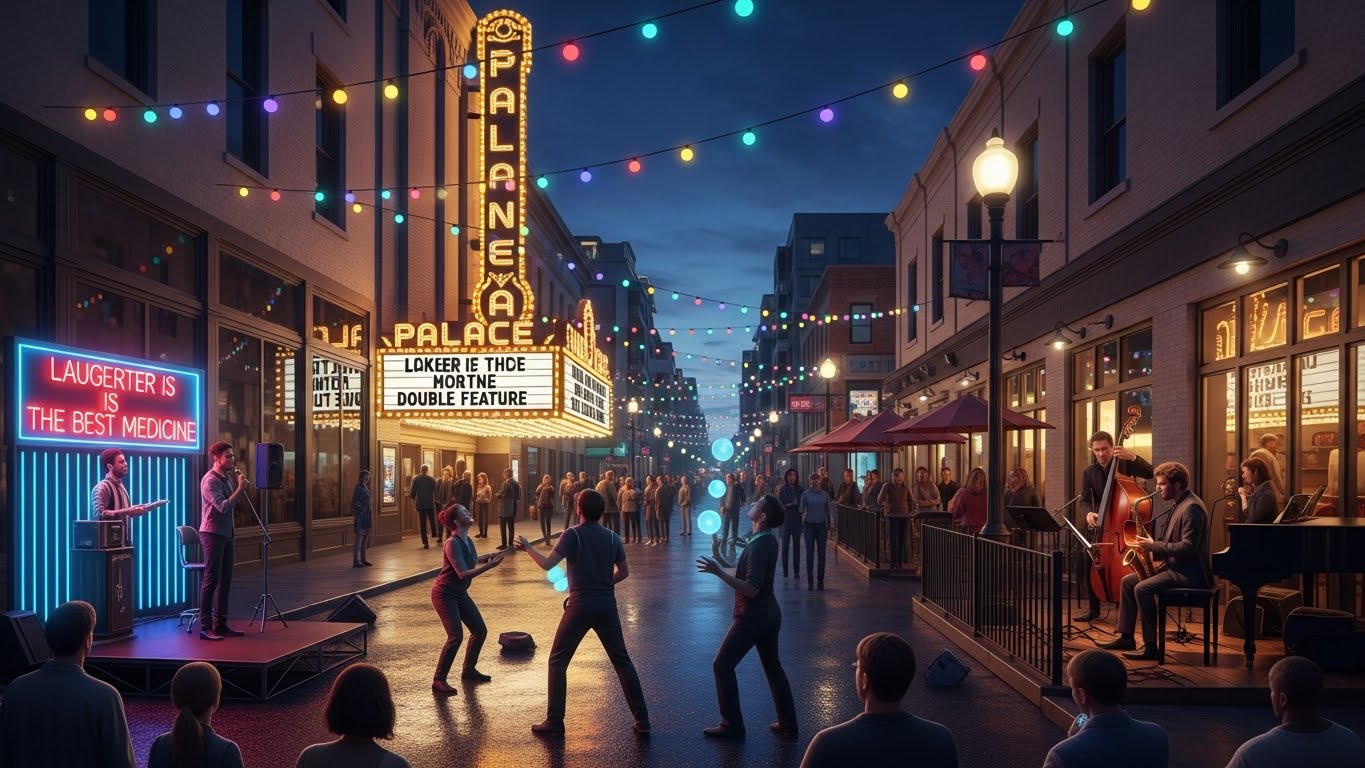
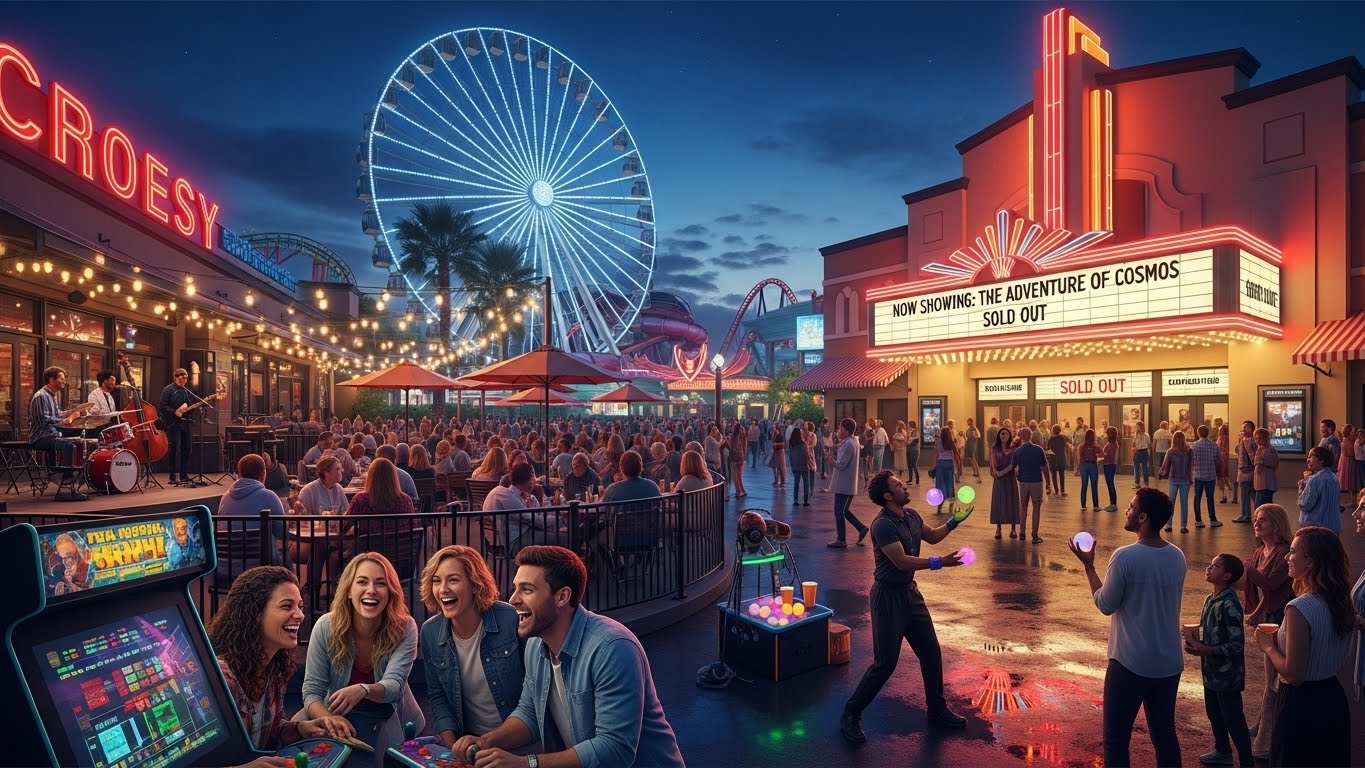
Despite the digital revolution, live entertainment remains irreplaceable. Concerts, theater performances, comedy shows, and festivals offer something that screens cannot replicate: collective human energy. The thrill of experiencing a performance in real time, surrounded by an enthusiastic crowd, creates memories that last a lifetime.
As societies reopen after global disruptions, live events have seen renewed appreciation. People crave shared experiences, emotional connections, and the excitement of witnessing creativity unfold before their eyes. This revival highlights that while technology enhances entertainment, human connection is still at its core.
The Influence of Entertainment on Culture and Identity
Entertainment doesn’t just entertain; it influences beliefs, values, and social conversations. Movies spark debates about representation, music becomes the voice of generations, and television shows reflect societal changes. Trends in fashion, language, and lifestyle often emerge from popular entertainment.
Moreover, entertainment fosters global cultural exchange. Audiences today watch foreign films, listen to global music, and follow international creators. This interconnectedness broadens our understanding of different cultures, fostering appreciation and curiosity.
Technology: The Driving Force Behind Modern Entertainment
Behind every modern entertainment trend lies technological innovation. Advanced filming techniques, digital editing, artificial intelligence, and interactive platforms continue to push boundaries.
Artificial intelligence now assists in music composition, film editing, and personalized content recommendations. Virtual production allows filmmakers to create realistic environments without leaving the studio. Interactive platforms let fans influence storylines, participate in live shows, and engage directly with their favorite creators.
Technology not only expands creative possibilities but also makes entertainment more accessible. From subtitles and audio descriptions to user-friendly platforms, more people can enjoy content regardless of age, ability, or geography.
The Future: What Lies Ahead for Entertainment?
The next chapter of entertainment is filled with exciting possibilities. As virtual reality becomes more sophisticated, audiences may soon step inside their favorite movies or games. Interactive storytelling may allow viewers to determine entire plotlines. Artificial intelligence could help produce personalized films or songs tailored to individual tastes.
Despite these advancements, the essence of entertainment will remain grounded in creativity and connection. No matter how much technology evolves, people will always crave meaningful stories, shared experiences, and emotional expression.
Conclusion: Entertainment as a Mirror of Human Imagination
Entertainment is far more than a way to pass time. It is a reflection of our imagination, our culture, and our desire to explore new worlds. From classic cinema and television to digital media and interactive platforms, entertainment continues to evolve alongside humanity itself.
As we embrace new technologies and creative innovations, one thing remains certain: the world of entertainment will always surprise, inspire, and unite us. Through stories, music, performances, and digital experiences, we discover not just new forms of enjoyment but new parts of ourselves.
The journey of entertainment is ongoing, ever-changing, and filled with endless possibilities—and we are fortunate to witness its evolution firsthand.