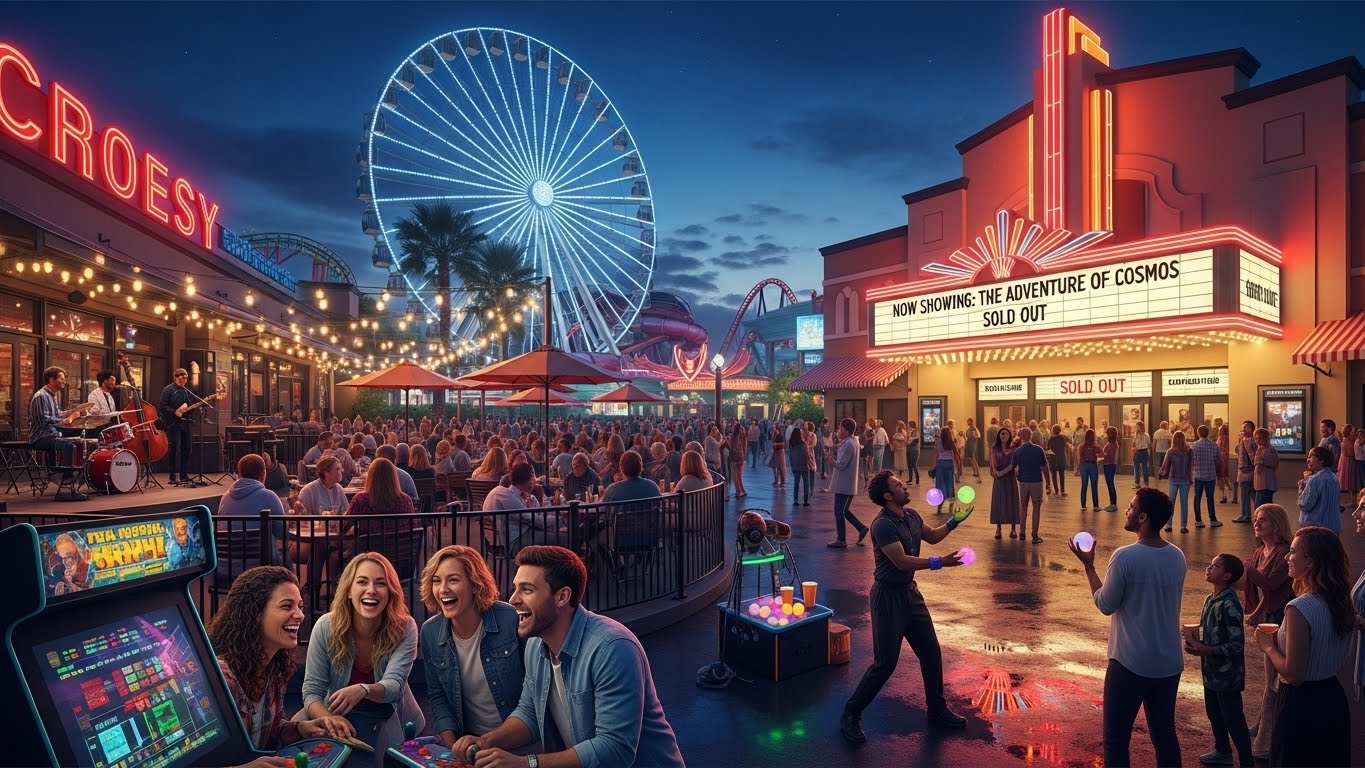
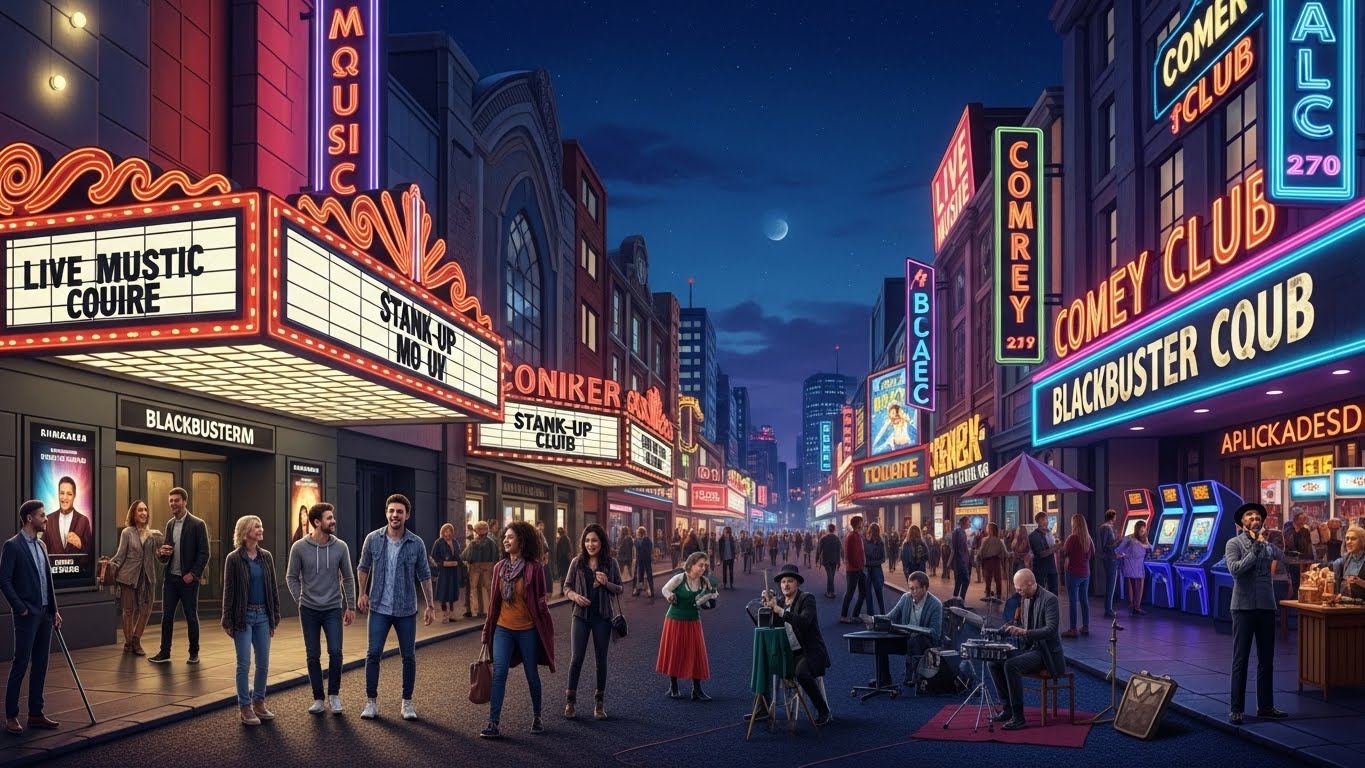
Entertainment has always been a fundamental part of human culture. It reflects our creativity, offers an escape from daily life, and provides a platform for social interaction and cultural expression. Over the centuries, entertainment has evolved from simple storytelling around fires to immersive digital experiences enjoyed by millions worldwide. This blog explores the history, impact, and future of entertainment, highlighting how it continues to shape society and influence our daily lives.
The Origins of Entertainment
Entertainment is as old as human civilization itself. Before the invention of modern technology, people entertained themselves through oral storytelling, music, dance, and theater. Ancient civilizations, such as those in Egypt, Greece, and China, developed intricate cultural rituals, festivals, and performances to celebrate life and commemorate events.
The earliest forms of entertainment were communal, creating shared experiences that strengthened social bonds. Music, in particular, was not just for amusement—it accompanied rituals, celebrations, and storytelling, helping convey cultural values and traditions to successive generations.
The Birth of Theater and Performance Arts
Theater emerged as one of the earliest structured forms of entertainment. Ancient Greek theater, with its tragedies and comedies, allowed audiences to explore human emotions, morality, and societal issues. Playwrights such as Sophocles and Aristophanes created works that entertained while provoking thought and reflection.
Performance arts, including dance and puppetry, also developed as a means to narrate stories visually and emotionally. These art forms became cultural cornerstones, demonstrating the human desire to connect, express, and be entertained.
The Rise of Visual Media
The 20th century marked a significant shift in entertainment with the rise of visual media. The invention of photography and film transformed storytelling by capturing moments in time and bringing narratives to life on screen. Silent films evolved into “talkies,” and color films soon followed, making movies a major source of entertainment worldwide.
Hollywood became the global epicenter of cinema, producing iconic films that influenced fashion, culture, and societal norms. Cinema allowed audiences to experience stories beyond their own reality, opening a new world of imagination and adventure.
Television and Mass Media
Television revolutionized entertainment by bringing moving images into homes. Families gathered around TV sets to watch news, dramas, comedies, and live events. Television created shared cultural moments, shaping opinions and providing a platform for advertising and storytelling on a massive scale.
With the advent of cable and satellite television, programming became more diverse. Channels dedicated to sports, music, and lifestyle allowed audiences to choose content based on their interests. Television not only entertained but also educated and informed viewers, expanding the reach of visual media.
The Power of Music
Music has been a universal form of entertainment across cultures and generations. From classical orchestras to rock bands, hip-hop, electronic music, and pop, music continues to evolve while maintaining its emotional impact. It entertains, inspires, and unites people, transcending language and cultural barriers.
The digital age has transformed music consumption. Streaming platforms and portable devices have made music accessible anytime, anywhere. People can now enjoy personalized playlists, explore new genres, and engage with artists directly, creating a more interactive and immersive musical experience.
Gaming as Entertainment
Gaming has emerged as one of the most influential forms of modern entertainment. From early arcade games to advanced consoles and online platforms, gaming combines interactivity, storytelling, and competition. Players engage with virtual worlds, develop strategies, and interact with others globally.
The rise of esports and game streaming has transformed gaming into a spectator experience. Professional competitions draw millions of viewers, highlighting gaming’s cultural and economic significance. Interactive gaming offers not just fun but also cognitive stimulation, social connection, and creative expression.
Digital and Online Entertainment
The internet has dramatically expanded the entertainment landscape. Online platforms allow users to watch videos, stream live events, play games, and share creative content instantly. Digital entertainment is highly interactive, giving audiences control over what, when, and how they consume content.
Social media and video-sharing platforms have also democratized entertainment. Anyone can create, share, and gain recognition for content, blurring the line between creator and consumer. This shift has transformed entertainment into a participatory, collaborative, and global experience.
Live Events and Performances
Despite digital advancements, live events remain a powerful form of entertainment. Concerts, theater productions, comedy shows, and sports events provide a unique, immersive experience that cannot be replicated online. The energy of a live audience, combined with the unpredictability of performance, creates unforgettable memories.
Festivals and cultural events also celebrate local traditions and creativity, attracting audiences from around the world. Live entertainment fosters social interaction, community engagement, and shared experiences that remain central to human enjoyment.
The Role of Entertainment in Culture
Entertainment reflects and shapes culture. Movies, music, and games often mirror societal values, trends, and challenges. Iconic characters, stories, and music become cultural touchstones, influencing language, fashion, and behavior.
Entertainment also provides a platform for social commentary. Films and music address political issues, challenge norms, and provoke discussions. By engaging audiences emotionally and intellectually, entertainment can inspire change and spark creativity.
Psychology of Entertainment
Entertainment appeals to human psychology by providing escape, stimulation, and emotional engagement. It offers relaxation, reduces stress, and allows individuals to explore experiences beyond their everyday reality. Storytelling evokes empathy, music triggers emotions, and interactive experiences challenge cognitive skills.
Entertainment also satisfies social needs. Multiplayer games, fan communities, and live events create connections and shared experiences. The psychological benefits of entertainment highlight its importance beyond mere amusement.
Educational and Informative Entertainment
Entertainment can also be educational. Documentaries, historical films, and interactive media teach audiences about cultures, events, and scientific concepts. Edutainment blends learning with fun, making complex subjects accessible and engaging.
Interactive apps, games, and online platforms enhance learning by incorporating challenges, rewards, and exploration. Educational entertainment proves that learning does not have to be boring and that fun can be a powerful tool for knowledge acquisition.
The Economic Impact of Entertainment
Entertainment is a major contributor to the global economy. The film, music, gaming, and live performance industries generate billions in revenue annually, creating jobs in production, marketing, design, and event management. New technologies, streaming platforms, and digital marketplaces continue to drive growth and innovation.
Moreover, entertainment influences tourism and consumer behavior. Iconic films, concerts, and events attract visitors and shape trends, demonstrating the broader impact of entertainment on society and commerce.
Emerging Trends in Entertainment
The future of entertainment is shaped by technology, creativity, and audience expectations. Virtual reality, augmented reality, and artificial intelligence are creating immersive experiences that engage audiences in unprecedented ways. Personalized content and interactive storytelling allow consumers to become active participants.
Cross-platform integration, social interaction, and gamification continue to redefine entertainment. The convergence of media, technology, and creativity promises experiences that are not only enjoyable but also deeply engaging, social, and meaningful.
Conclusion
Entertainment has evolved from simple storytelling and performance to complex, interactive experiences that shape culture, society, and individual lives. It provides joy, emotional engagement, education, and social connection. From music and theater to gaming, movies, and digital platforms, entertainment continues to adapt to changing technologies and audience preferences.
As the world becomes increasingly digital, the possibilities for entertainment are limitless. Immersive experiences, interactive storytelling, and global connectivity ensure that entertainment remains a central part of human life, enriching our culture and connecting people across the globe.
Entertainment is not just a pastime—it is a reflection of human creativity, curiosity, and the timeless desire to explore, connect, and be inspired.