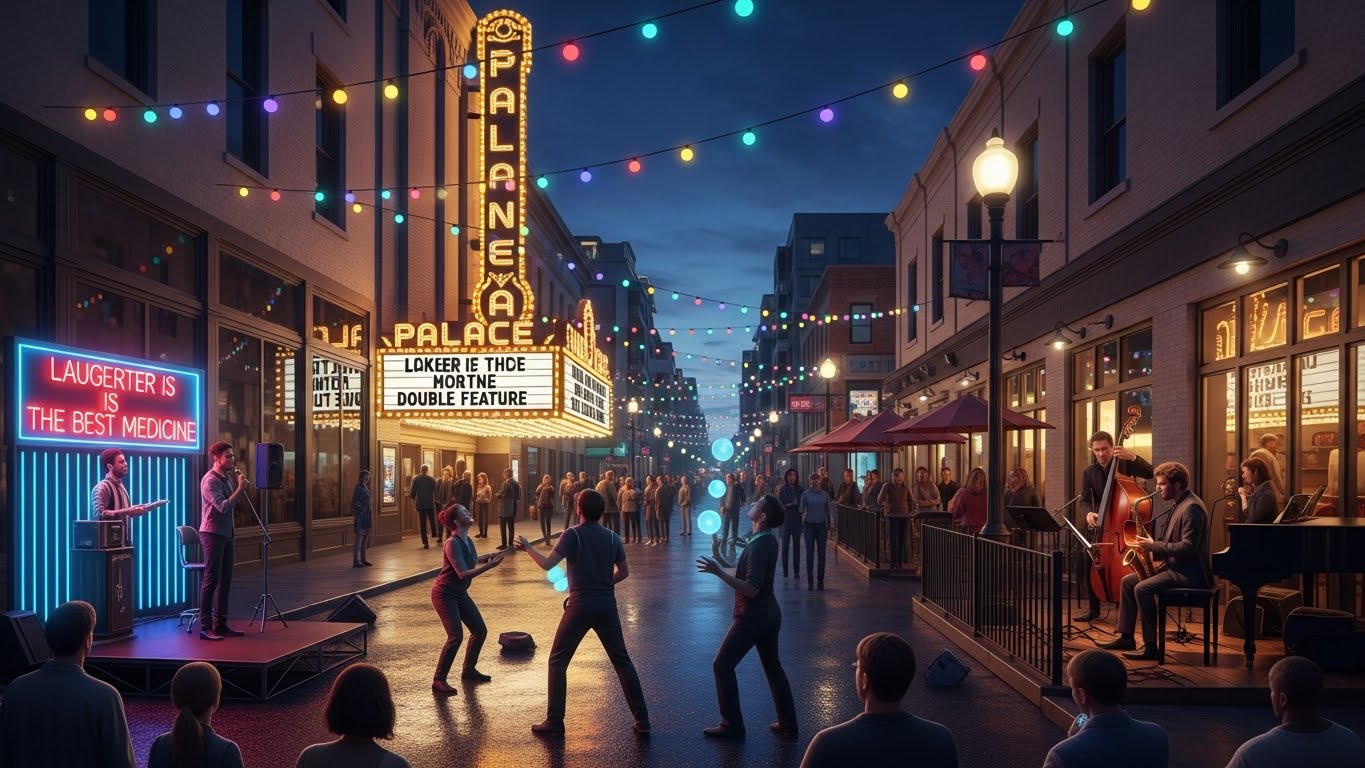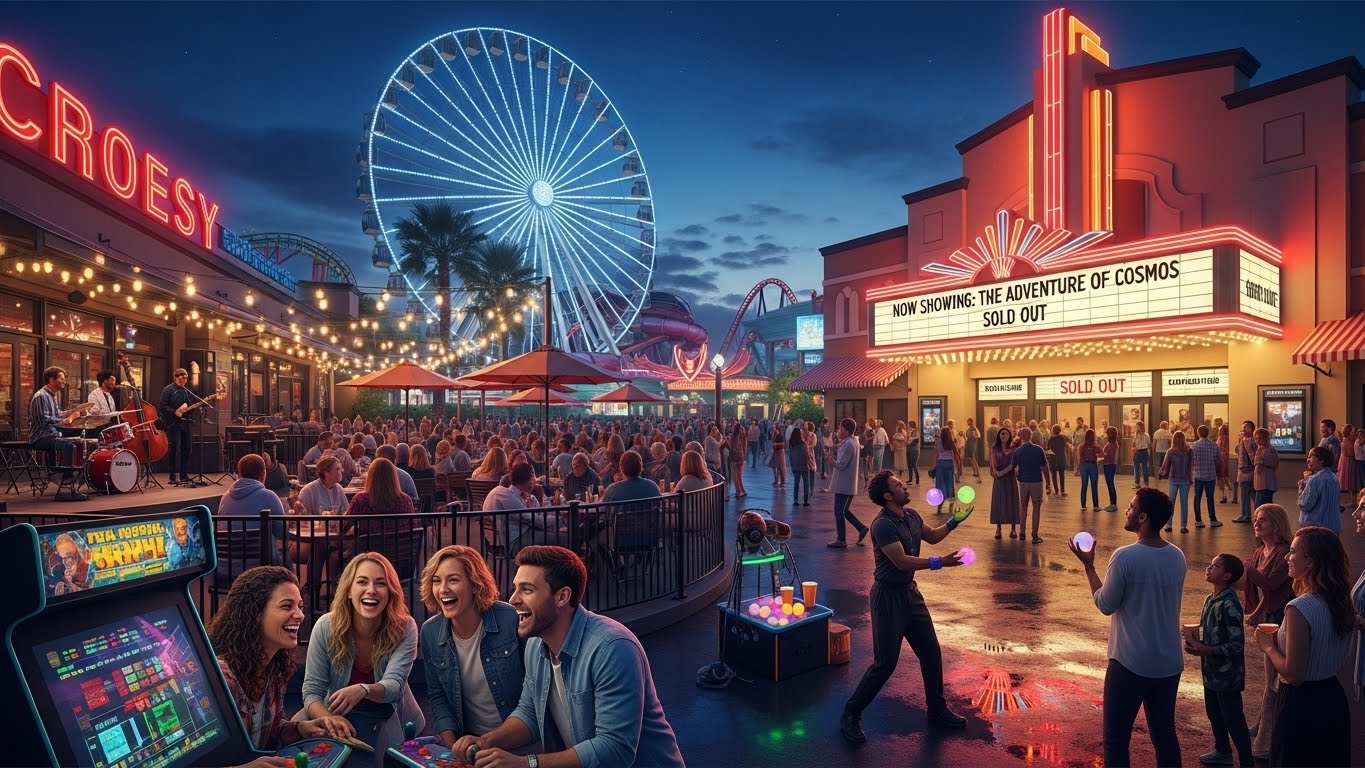

In the fast-paced world we live in today, entertainment has taken on many forms, continuously evolving to meet the demands of an ever-changing global audience. What once started as simple, in-person gatherings for stories and music has transformed into a multi-dimensional, digital ecosystem that offers a vast array of choices. From the early days of cinema and theater to the rise of streaming services, gaming, and social media, the entertainment landscape is unrecognizable compared to just a few decades ago. This blog post takes a deep dive into the transformation of entertainment, exploring its origins, current state, and the exciting future ahead.
The Birth of Modern Entertainment
The roots of modern entertainment can be traced back to the dawn of civilization, when storytelling, music, and dance served as primary forms of leisure and cultural expression. Ancient Greeks and Romans enjoyed theatrical performances in amphitheaters, while medieval societies favored live plays, festivals, and public executions as forms of public entertainment. These early experiences were communal, focused on in-person interaction and shared emotions.
The invention of the printing press in the 15th century was a pivotal moment in entertainment history. Books, newspapers, and plays could be mass-produced and disseminated to a much wider audience, setting the stage for the rise of more complex and varied forms of entertainment.
The Rise of Cinema and Radio
The early 20th century marked a revolutionary moment in entertainment. The birth of cinema, with its visual storytelling, captured the imagination of people worldwide. Hollywood, in particular, became the epicenter of this new form of mass entertainment. The first full-length feature film, The Birth of a Nation, premiered in 1915, sparking the rise of the film industry.
The 1920s saw the emergence of “talkies” – films with synchronized sound – forever changing the way audiences experienced cinema. By the 1930s and 1940s, stars like Humphrey Bogart, Marilyn Monroe, and Clark Gable became household names, and the Golden Age of Hollywood was in full swing.
Meanwhile, the rise of radio in the 1920s provided a new avenue for entertainment. Families gathered around their radios to listen to live broadcasts, ranging from musical performances to serialized dramas. Radio became the heart of many homes, offering a sense of connection and shared experience in a way that had never existed before.
The Television Revolution
In the mid-20th century, television became the dominant medium for entertainment, reshaping how people spent their free time. By the 1950s, television had become widely accessible, and shows like I Love Lucy, The Ed Sullivan Show, and The Twilight Zone captured the imagination of millions. As television networks proliferated, entertainment became more segmented, with audiences having access to a greater variety of content than ever before.
The invention of color television in the 1960s added an extra layer of immersion, while the 1980s and 1990s saw the rise of cable TV, introducing specialized channels and a more diverse range of shows, movies, and news. Channels like HBO, MTV, and ESPN began offering content that catered to specific tastes, creating subcultures and fandoms within the broader television audience.
The Internet Age and the Birth of Digital Entertainment
The rise of the internet in the late 1990s and early 2000s marked another major turning point for entertainment. The ability to access content from anywhere in the world, at any time, started to chip away at traditional entertainment models. No longer did people need to schedule their lives around the air times of their favorite TV shows – on-demand viewing was born.
The proliferation of broadband internet and the creation of streaming platforms such as YouTube, Netflix, and Hulu revolutionized how people consumed entertainment. What was once a choice between a handful of TV channels became an overwhelming buffet of options, ranging from movies, documentaries, and TV shows to user-generated content and live broadcasts.
In addition, the rise of social media platforms like Facebook, Instagram, and TikTok allowed people to not only consume entertainment but create it themselves. Platforms like TikTok became breeding grounds for viral trends and new forms of expression, further democratizing entertainment production. The user-generated content model blurred the lines between creator and consumer, turning ordinary individuals into stars in their own right.
The Explosion of Video Games and Interactive Media
While digital platforms for passive consumption of entertainment have grown exponentially, the world of interactive entertainment has also seen remarkable growth. Video games, once a niche hobby for a select few, have become a dominant force in global entertainment.
From the early days of arcade games and home consoles to the emergence of massively multiplayer online games (MMOs) like World of Warcraft and Fortnite, video games have transformed from simple pastimes to full-fledged cultural phenomena. Esports tournaments, where players compete for massive cash prizes in front of live audiences, have turned gaming into a spectator sport, attracting millions of viewers from around the world.
Virtual reality (VR) and augmented reality (AR) technologies have taken the interactive experience a step further, offering fully immersive environments where players can not only watch but participate in the narrative. The potential for VR and AR in entertainment is still in its infancy, but it has already made waves in areas like gaming, live concerts, and theme parks.
The Streaming Revolution
The biggest disruption in entertainment over the last decade has been the rise of streaming platforms. Netflix, Amazon Prime Video, Disney+, and countless others have fundamentally altered how we watch television and movies. Subscription-based models have replaced traditional cable and satellite services, giving consumers the power to choose what to watch and when to watch it.
This shift has had a profound impact on both the entertainment industry and the consumer. On one hand, streaming has democratized access to content, allowing people in virtually any corner of the globe to watch films and shows from a variety of countries and cultures. On the other hand, the competition for audience attention has intensified. To stand out in a crowded market, streaming services have begun producing their own original content, often with large budgets and top-tier talent. Shows like Stranger Things, The Mandalorian, and The Crown have become global sensations, attracting millions of subscribers and reshaping how media is produced and consumed.
The on-demand nature of streaming services has also shifted viewing habits. Binge-watching has become a cultural phenomenon, with entire seasons of shows being released at once, allowing audiences to watch uninterrupted. This shift in consumption has forced traditional broadcasters to rethink their programming strategies, and many have followed suit by offering streaming services of their own.
The Future of Entertainment: Trends to Watch
As technology continues to advance, the future of entertainment promises to be even more exciting and immersive. Some of the key trends shaping the future include:
- Artificial Intelligence and Personalization: AI is already being used to recommend content based on viewing habits, and in the future, it may play a much larger role in content creation. AI-generated films, music, and art could become a significant part of the entertainment ecosystem, offering new forms of creativity and personalized experiences.
- Interactive Storytelling: With advancements in VR and AR, the line between the viewer and the story is becoming increasingly blurred. Immersive experiences, where the audience actively participates in the narrative, could become the norm in both gaming and traditional media.
- Globalization of Content: Streaming platforms are giving rise to more international content, breaking down geographical and cultural barriers. We’re likely to see more cross-cultural collaborations and a greater appreciation for non-English-language films and shows.
- Social Media Integration: Social media will continue to play a pivotal role in entertainment. Platforms like TikTok and Instagram are already influencing music charts and movie trends, and in the future, social media stars may become an even bigger part of mainstream entertainment.
- The Metaverse: While still in its early stages, the Metaverse promises to offer a fully digital universe where entertainment will be immersive and interactive. From virtual concerts to digital theme parks, the possibilities for entertainment in the Metaverse are endless.
Conclusion
Entertainment has come a long way from its humble beginnings as communal, in-person gatherings. Today, it is a vast, multi-faceted industry that spans movies, music, games, and digital content, constantly adapting to new technologies and cultural shifts. Whether you’re watching a Netflix series, playing the latest video game, or sharing a funny TikTok, entertainment continues to evolve in ways that were unimaginable just a few decades ago.
As we look to the future, one thing is certain: the pace of change will only continue to accelerate. The entertainment of tomorrow will be more interactive, more personalized, and more immersive than ever before. We’re entering a new era of creativity, where the boundaries between creators and consumers blur, and the possibilities are limitless.
In this fast-evolving world, one thing remains constant: entertainment is a crucial part of what it means to be human. It brings people together, fosters emotional connections, and allows us to escape into worlds of imagination and creativity. The question is no longer what will the future of entertainment look like? but rather how will we shape it?