Introduction: The Shifting Landscape of Entertainment
Entertainment has always been a fundamental aspect of human culture, offering an escape, a form of expression, and a way to connect with others. From ancient rituals and storytelling around the campfire to the streaming services that dominate our screens today, the ways in which we consume entertainment have evolved drastically. The rapid growth of technology and the digital revolution has transformed how we experience and engage with entertainment, making it more immersive, accessible, and personalized than ever before.
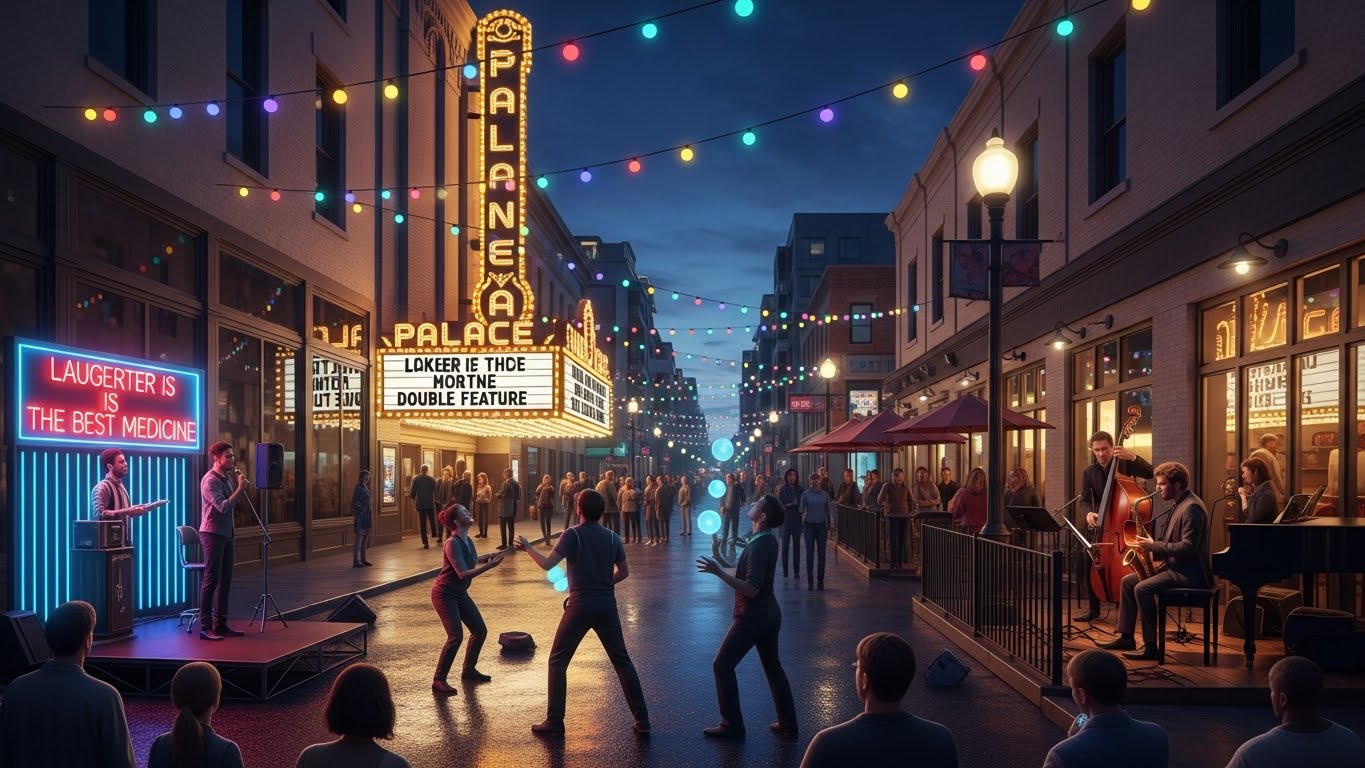
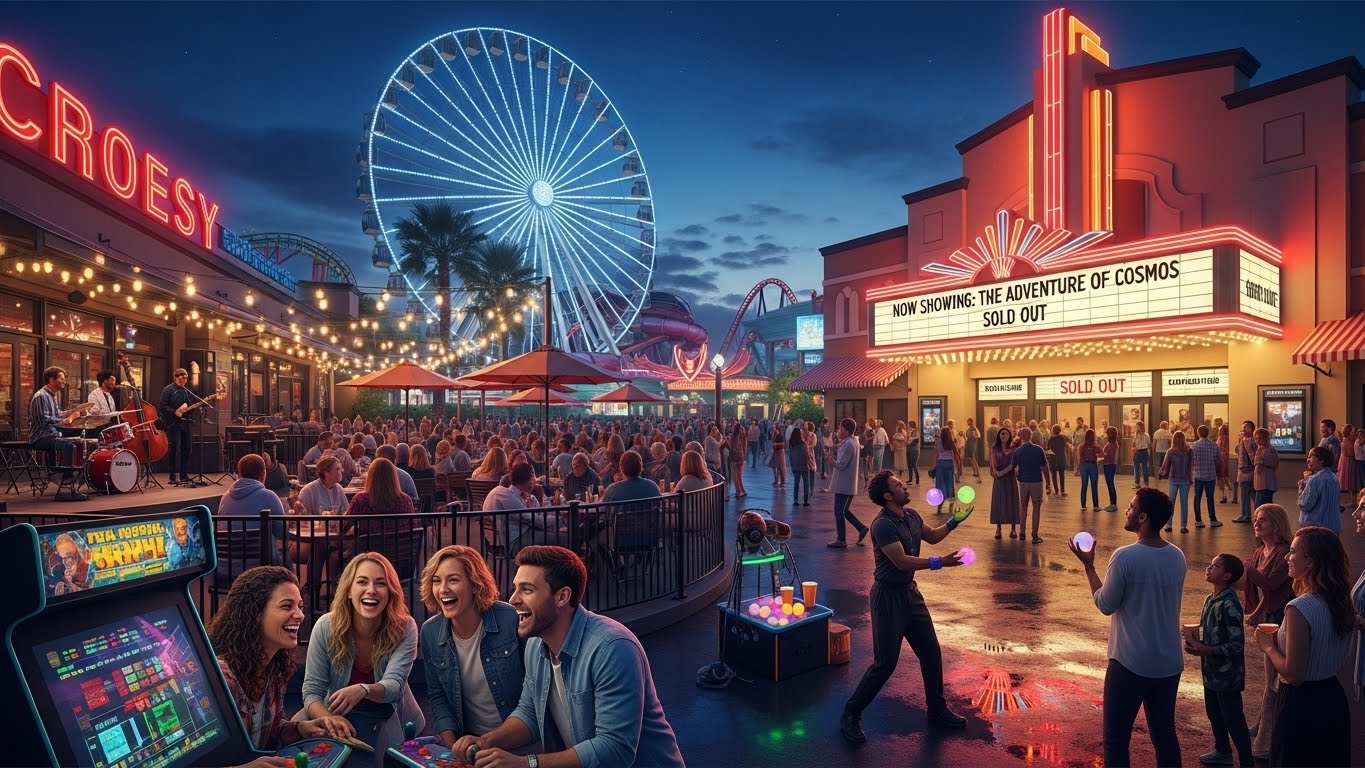
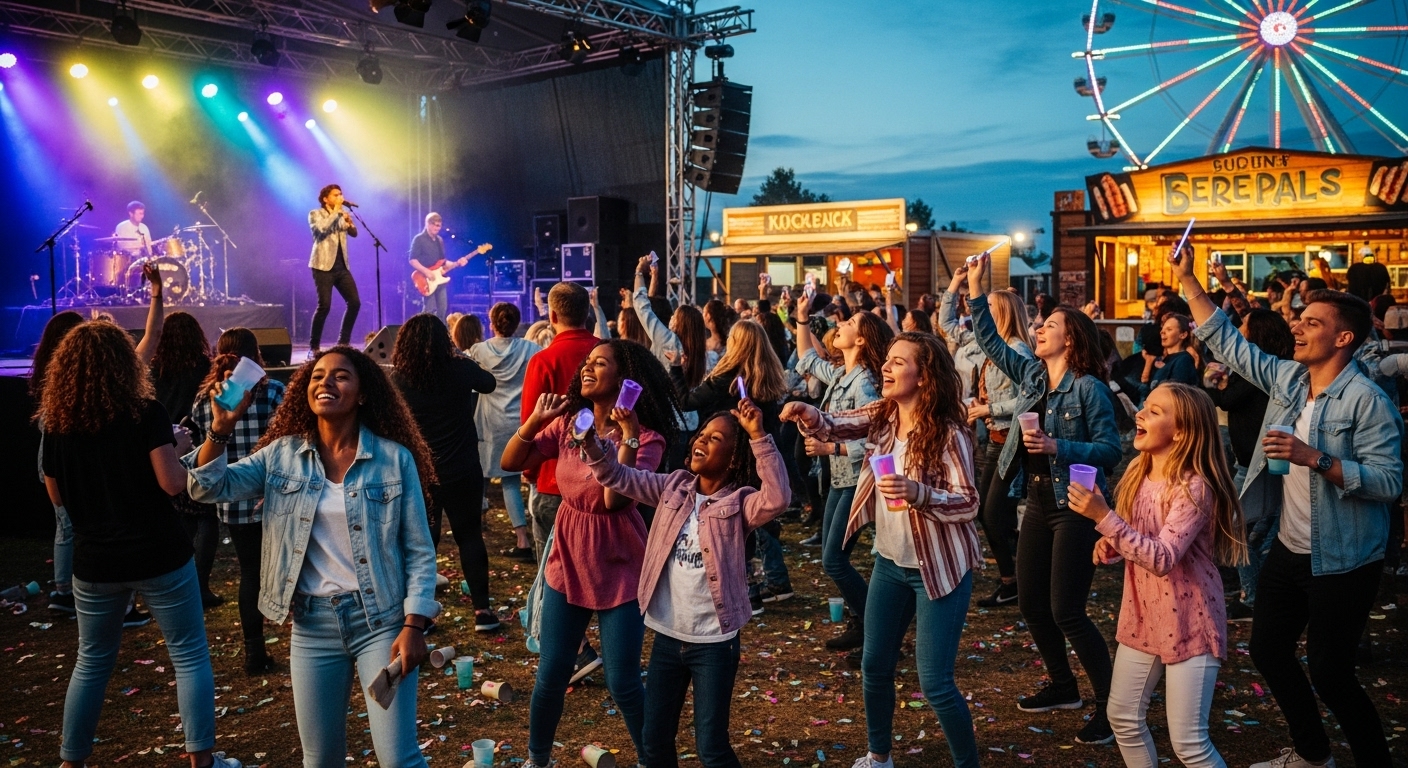
In the past, entertainment was mostly a social activity shared with others in physical spaces, like theaters, sports arenas, or living rooms. Today, it has become an individual experience—often experienced through personal devices and tailored to our preferences. This shift has created a new era of entertainment that is constantly evolving and reshaping cultural norms. In this blog post, we will explore how entertainment has changed over the years, from its roots in live performances to the digital experiences we now enjoy, and consider what the future holds for entertainment in a rapidly changing world.
The Origins of Entertainment: A Shared Social Experience
Entertainment in its most basic form has existed for thousands of years. In ancient cultures, entertainment was deeply woven into social and religious practices. Storytelling, music, and dance were common ways to entertain and educate people. These early forms of entertainment were often performed in community settings, creating shared experiences that bonded individuals to their culture and society.
Theater and drama can be traced back to the Greeks and Romans, who held large-scale performances to tell stories, convey emotions, and reflect on societal issues. The public spectacle of these events created a communal form of entertainment that involved both the performers and the audience in a collective experience. Similarly, music, especially in the form of live performances, was used to convey meaning and connect people to shared cultural experiences.
In the medieval period, entertainment expanded to include jousting tournaments, carnivals, and festivals. These events were a form of public celebration and entertainment, often involving performances that drew large crowds. People from different walks of life came together to enjoy music, dance, and theater, creating an atmosphere of collective joy and escapism. However, much like earlier forms of entertainment, these were live events that required the audience’s presence to fully experience.
The Rise of Print and Mass Media
The invention of the printing press in the 15th century marked the beginning of a shift in how entertainment was consumed. Books, newspapers, and printed pamphlets became the first form of mass media, allowing content to be distributed to a much larger audience. As literacy rates increased, literature, especially novels and plays, became more widely accessible to the general public. This was the dawn of an entertainment revolution, as people no longer had to attend live performances or gatherings to be entertained. They could experience stories and ideas in the comfort of their own homes.
The 19th and early 20th centuries saw the birth of cinema, radio, and television. These new forms of entertainment introduced entirely different experiences, allowing people to be entertained by audio and visual content from their homes. The first motion pictures, or “movies,” mesmerized audiences with their ability to tell stories in new ways. Radio brought music, drama, and news to listeners in ways that had never been possible before. Television, which became widespread in the 1950s, revolutionized home entertainment by offering a mix of live broadcasts, dramas, comedies, and news programs directly to the living room.
By the mid-20th century, mass media had become a powerful tool for entertainment, but it still largely depended on scheduled broadcasts and collective viewing experiences. While it allowed people to consume entertainment at their convenience, it still required a shared experience for full enjoyment.
The Digital Age: Personalizing Entertainment
The late 20th century and the early 21st century marked the digital revolution, which fundamentally changed the landscape of entertainment. The internet, along with the rise of personal computing and mobile devices, transformed how people consumed content. Digital platforms began to emerge, offering a variety of entertainment experiences that catered to individual preferences.
The introduction of DVDs and Blu-rays in the 1990s and early 2000s gave people the ability to watch movies and shows on demand in their own homes. This was a major departure from the traditional model of watching television at scheduled times or going to a movie theater. Streaming services such as Netflix, Hulu, and Amazon Prime Video further transformed the way content is consumed by allowing people to stream movies and TV shows from their devices at any time, on any screen, without the need for physical media.
Streaming services also introduced the concept of “binge-watching,” where users can watch entire seasons or series of shows in one sitting. This shift in viewing habits was enabled by the rise of high-speed internet and the proliferation of smartphones, tablets, and smart TVs. The ability to watch what you want, when you want, has made entertainment more personalized, efficient, and tailored to individual tastes.
At the same time, the rise of social media platforms like YouTube, Instagram, and TikTok has introduced new forms of entertainment. Instead of relying on traditional media companies or producers, individuals can now create and share their content with the world. This democratization of entertainment has led to a rise in “influencers” and independent content creators who have gained large followings and influence. Social media has turned entertainment into a participatory and interactive experience, where fans can engage with creators, share their opinions, and contribute to trends in real-time.
The Immersive Future: Virtual Reality, Augmented Reality, and Artificial Intelligence
The next frontier of entertainment lies in immersive technologies such as virtual reality (VR) and augmented reality (AR). These technologies have the potential to completely reshape the way people experience entertainment by creating environments that engage all the senses and allow users to interact with content in entirely new ways.
Virtual reality has already started to make waves in the gaming industry, offering players a fully immersive experience where they can interact with 3D worlds using VR headsets and motion controllers. This level of immersion takes video games to new heights, making them more realistic and engaging than ever before. VR has the potential to expand beyond gaming, offering experiences like virtual concerts, immersive travel experiences, and even live theater performances, all experienced from the comfort of your home.
Augmented reality, on the other hand, blends the physical world with digital elements, enhancing real-world environments with interactive content. Popularized by mobile games like Pokémon Go, AR has the potential to enhance not only gaming but also live entertainment, advertising, and interactive storytelling. Imagine attending a concert where digital effects enhance the live performance or exploring a museum where the exhibits come to life through augmented visuals.
Artificial intelligence (AI) also has a growing influence on entertainment. AI-powered content recommendations, such as those used by Netflix or Spotify, help personalize entertainment by suggesting movies, shows, and music based on user preferences. In the future, AI could also be used to create entirely new forms of entertainment, from AI-generated music and movies to virtual assistants that interact with users in personalized, dynamic ways.
These technologies are still in their early stages, but they promise to revolutionize how we consume and interact with entertainment in the coming years.
The Social Impact of Entertainment
Entertainment is not just a source of personal enjoyment; it plays a crucial role in shaping society and culture. Throughout history, entertainment has served as a mirror to society, reflecting its values, struggles, and aspirations. From movies and television shows that address social issues to music that gives a voice to marginalized communities, entertainment has the power to spark conversations, challenge norms, and inspire change.
Entertainment also brings people together. Whether it’s through watching a blockbuster movie, attending a live sports event, or engaging with content on social media, entertainment fosters a sense of community. It allows people to share experiences, connect with others who share similar interests, and create lasting memories.
At the same time, the rise of digital entertainment and social media has raised questions about its impact on mental health, relationships, and society. Excessive screen time, cyberbullying, and the pressure to conform to idealized images on social media are among the challenges that come with the digital age of entertainment. These issues underscore the importance of balance in how we consume and engage with entertainment.
Conclusion: The Future of Entertainment
Entertainment has come a long way from its roots in ancient storytelling and communal performances. Today, it has become a diverse, immersive, and personalized experience, thanks to advances in technology and the internet. Streaming services, video games, social media, and emerging technologies like VR and AI have completely reshaped how we consume content, giving rise to new forms of entertainment that are constantly evolving.
As we look to the future, the possibilities for entertainment are endless. The continued development of immersive technologies, AI-driven content creation, and interactive experiences will only enhance our ability to engage with and enjoy entertainment in new and exciting ways. However, it is crucial to maintain a balance and be mindful of the social and cultural impact of entertainment in our lives.
Entertainment will always be a reflection of who we are as a society, providing not just an escape from the everyday but a means of exploring new worlds, ideas, and emotions. As the digital revolution continues, one thing is certain: entertainment will remain an integral part of our lives, shaping our experiences and connecting us to one another.