Introduction: The Heartbeat of Human Experience
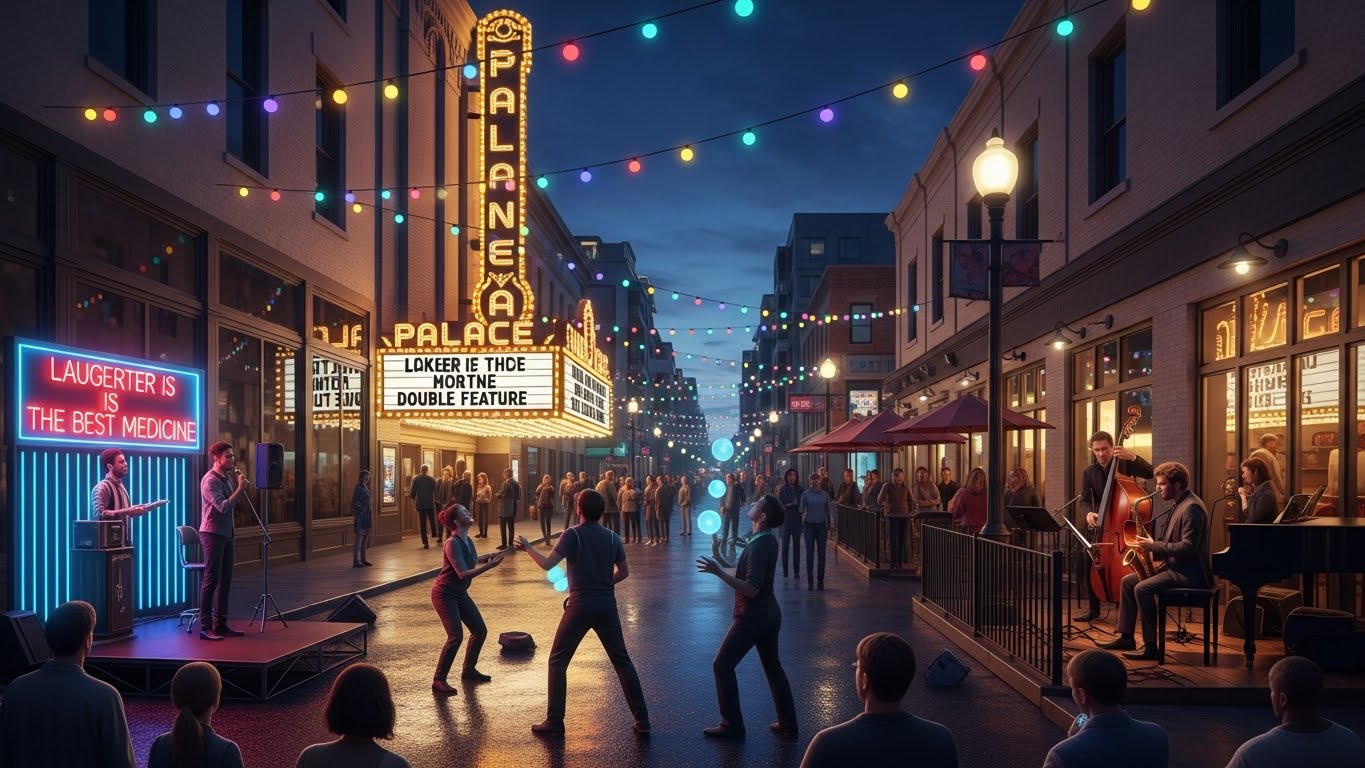
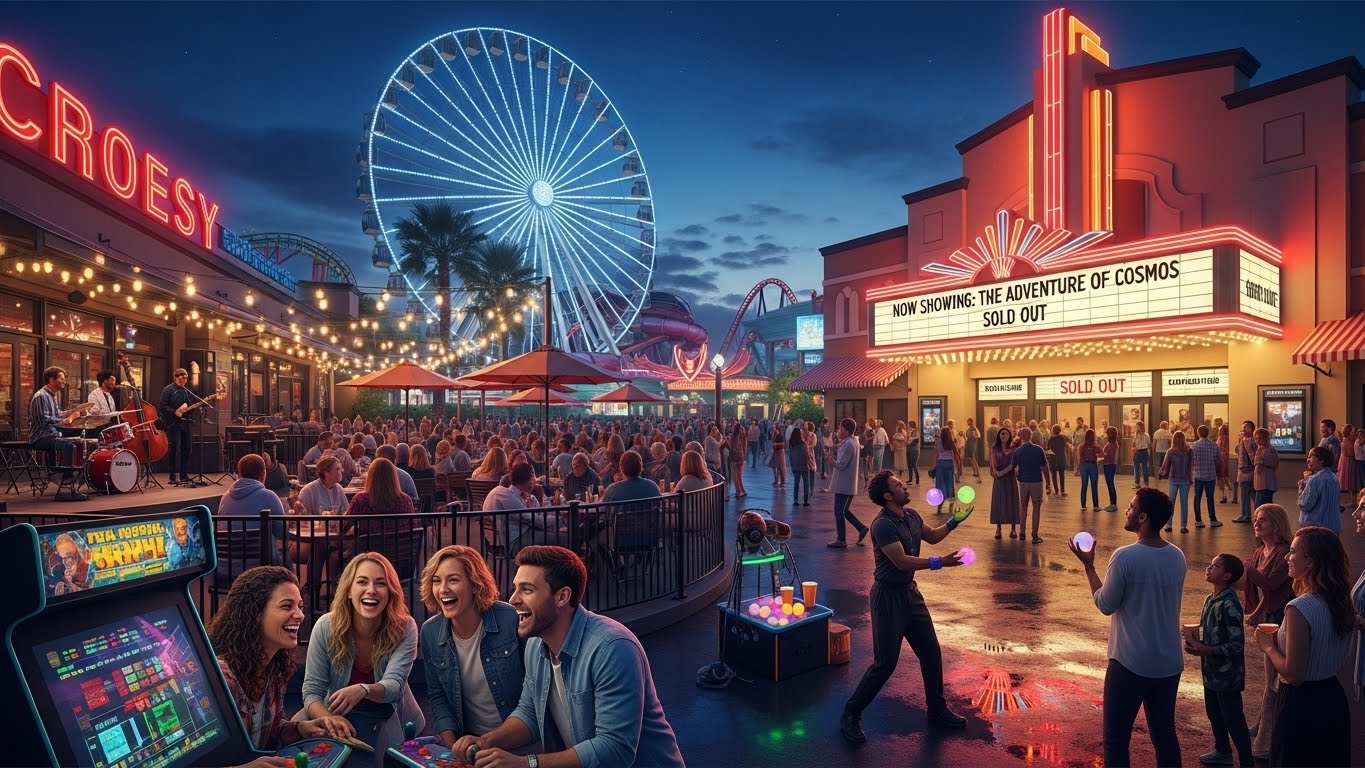
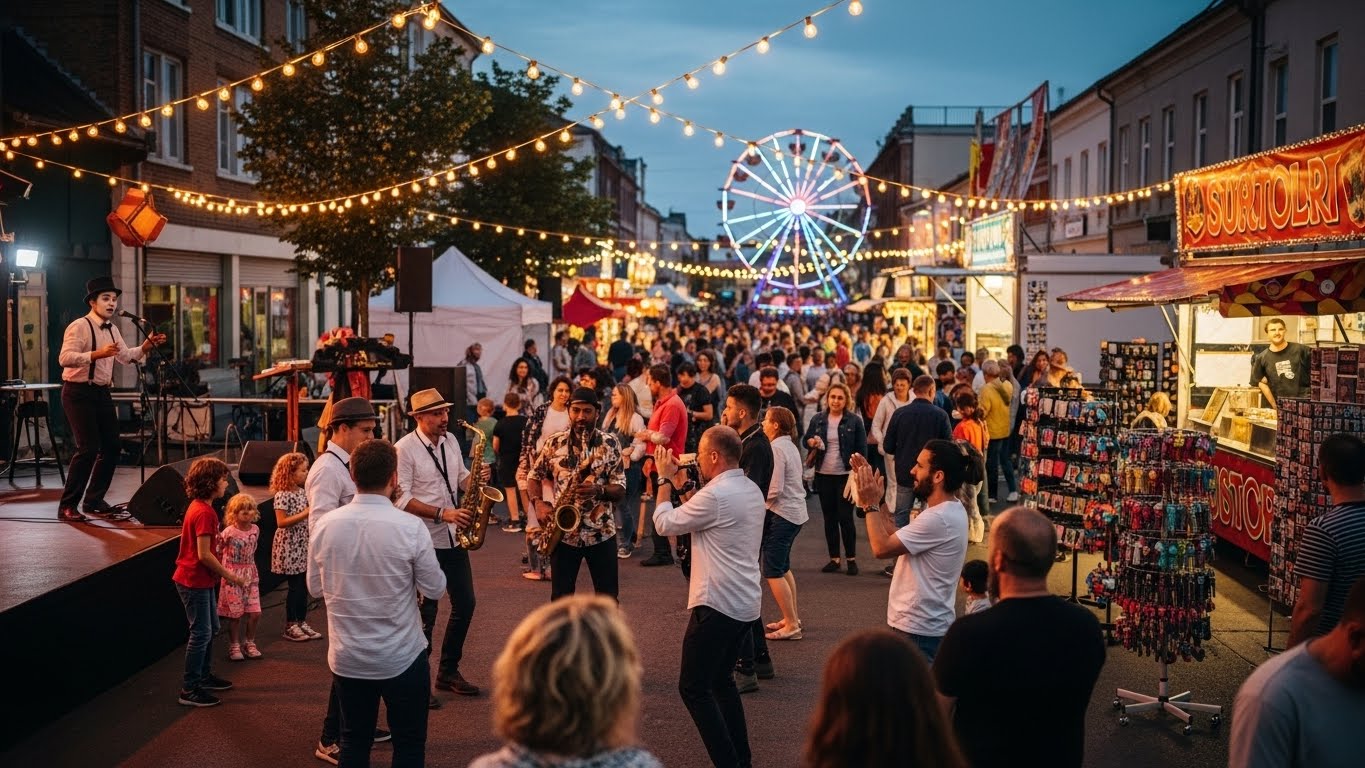
Entertainment has been a vital part of human culture since the first stories were told around ancient fires. Whether through music, film, literature, or live performances, it continues to evolve, adapt, and reflect the shifting values of society. Today, entertainment is not merely a source of leisure; it is a powerful force that influences identities, fuels global conversations, and shapes the way we connect with one another. In a world where digital media has transformed how we consume content, the entertainment industry stands as a living, breathing organism that grows alongside humanity’s creative appetite. This blog explores the multifaceted world of entertainment and the ways it continues to impact our lives, our relationships, and our collective imagination.
The Evolution of Entertainment Across Generations
Entertainment is never static. It carries the fingerprints of the era it’s created in. Just a few decades ago, families gathered around radios to listen to dramas, comedies, and music programs. Later came the golden age of television, which brought stories into living rooms and helped define generations through iconic shows. Today, digital platforms allow audiences to stream films, music, and series on demand, sometimes consuming entire seasons in one weekend.
This evolution reflects more than technological progress. It shows how human expectations have changed. Modern audiences crave immediate access, diverse storytelling, and global perspectives. Entertainment has broadened from being local and limited to becoming a global marketplace of ideas. Each shift in the entertainment landscape speaks to a deeper shift in society’s values, preferences, and technological capabilities.
The Power of Storytelling in Modern Media
At its core, entertainment is about storytelling. Whether it is a blockbuster movie, a stand-up comedy show, or a simple social media post, every form of entertainment uses story as its backbone. The power of storytelling lies in its ability to connect people emotionally. A well-crafted narrative can inspire empathy, provoke thought, or simply offer an escape from reality.
In modern media, storytelling has expanded beyond traditional boundaries. Movies merge with digital effects to create immersive worlds. Music videos blend narrative with artistic expression. Even video games now feature rich storytelling that rivals novels and films. These layered experiences create emotional resonance, allowing stories to linger long after the final song ends or the credits roll.
How Social Media Transformed Entertainment Consumption
The rise of social media altered the entertainment landscape more than any other technological shift in recent years. Platforms that were once designed for simple social interaction have now become engines of creativity, fandom, and viral culture. Celebrities communicate directly with fans in real time, bypassing traditional media. Everyday individuals can become global sensations with a single video. Trends spread within minutes, shaping music charts, movie releases, and even fashion choices.
Social media has blurred the line between creator and consumer. Audiences no longer passively receive entertainment; they participate in it. They remix songs, create fan theories, edit movie scenes, and craft memes that circulate worldwide. Entertainment is no longer a one-way channel but a global conversation in which everyone can take part.
The Rise of Streaming Culture
Streaming platforms have revolutionized how people consume entertainment. Gone are the days of waiting for weekly episodes or rushing to catch a scheduled TV broadcast. Streaming culture promotes the freedom to watch anything, anytime. This shift has changed storytelling itself. Writers can now craft deeper, more complex narratives knowing audiences may watch multiple episodes in one sitting.
Furthermore, streaming has opened doors for niche genres, independent creators, and international content. Shows from different languages and cultures now command global attention, creating cross-cultural appreciation and expanding the definition of what mainstream entertainment can be. As streaming platforms invest in diverse storytelling, audiences benefit from richer, more inclusive entertainment choices.
Cinema: The Timeless Magic of the Big Screen
Despite the prevalence of digital entertainment, cinema remains a beloved art form. The magic of the big screen, the communal experience of watching a film with strangers, and the immersive sound and visuals create an atmosphere that cannot be perfectly replicated at home. Cinematic storytelling has a unique ability to transport audiences into new worlds, evoke strong emotions, and bring people together.
However, cinema itself has evolved. Films today are bigger, bolder, and often more ambitious in scale. Directors experiment with technology, blending traditional filmmaking with cutting-edge visual effects. At the same time, independent filmmakers challenge boundaries with intimate, character-driven stories that resonate deeply with audiences. Cinema continues to be a rich tapestry of creativity, preserving its timeless charm while embracing innovation.
Music: The Universal Language of Emotion
Music remains one of the most powerful forms of entertainment. It transcends borders, languages, and cultural differences. A single melody can evoke memories, inspire moods, and connect people across the world. Today’s music industry is a fascinating blend of genres, collaborations, and sonic experimentation.
Digital distribution has amplified this evolution. Artists now reach global audiences instantly, bypassing traditional gatekeepers. Genres blend more freely, with musicians incorporating global influences to create new sounds. Concerts and live performances remain central to the music experience, providing fans with emotional and communal memories that last a lifetime. Whether through earbuds or stadium speakers, music continues to shape the emotional landscape of our lives.
The Growth of Gaming as an Entertainment Powerhouse
Video games have transcended their early reputation as mere pastimes. They now stand as one of the most influential pillars of modern entertainment. Gaming offers interactive storytelling, strategic challenges, and expansive virtual worlds that allow players to immerse themselves in unforgettable experiences. The rise of competitive gaming and esports has further elevated gaming to mainstream entertainment, attracting millions of viewers and professional players.
Moreover, gaming fosters communities. Online multiplayer platforms allow people from across the globe to connect, collaborate, and build friendships. In many ways, gaming is not just entertainment; it is a cultural ecosystem that reflects creativity, innovation, and global connection.
The Influence of Celebrity Culture
Celebrities have always held a place in entertainment, but today, their influence extends far beyond films and music. They shape fashion trends, spark cultural conversations, and use their platforms to advocate for social issues. With social media, celebrity culture has become more personal. Fans feel closer than ever to their favorite stars, witnessing glimpses of their daily lives and receiving updates directly from them.
This shift has created a double-edged sword. While the increased transparency allows celebrities to build stronger connections with fans, it also invites constant public scrutiny. Despite this, celebrity influence remains a defining force in entertainment, shaping what society admires, discusses, and aspires to.
The Future of Entertainment: Innovation and Imagination
As technology advances, the future of entertainment promises to be even more immersive and interactive. Virtual reality experiences, augmented environments, and artificial intelligence–driven storytelling are already emerging trends. These innovations blur the boundaries between reality and imagination, offering audiences experiences that were once thought impossible.
The future also points toward more personalized entertainment. Algorithms tailor content to individual tastes, creating highly curated experiences. Audiences may soon interact with stories in real time, shaping narratives based on their choices. The entertainment world is poised to become more dynamic, inclusive, and creatively daring.
Conclusion: The Ever-Growing World of Entertainment
Entertainment is more than a pastime. It is a mirror of society, a catalyst for emotional connection, and a universal language that binds humanity together. From streaming platforms and social media to cinema, music, and gaming, entertainment continues to evolve with remarkable speed. It shapes our memories, influences our values, and provides an escape in moments of chaos.
As we move forward, the entertainment world will only grow more limitless. With every new story told, every melody created, and every innovation introduced, entertainment continues to remind us of the beauty of imagination and the power of shared experiences. In a rapidly changing world, it remains one of the few constants that bring joy, comfort, and connection to our everyday lives.