
The Power of Escapism in Modern Life
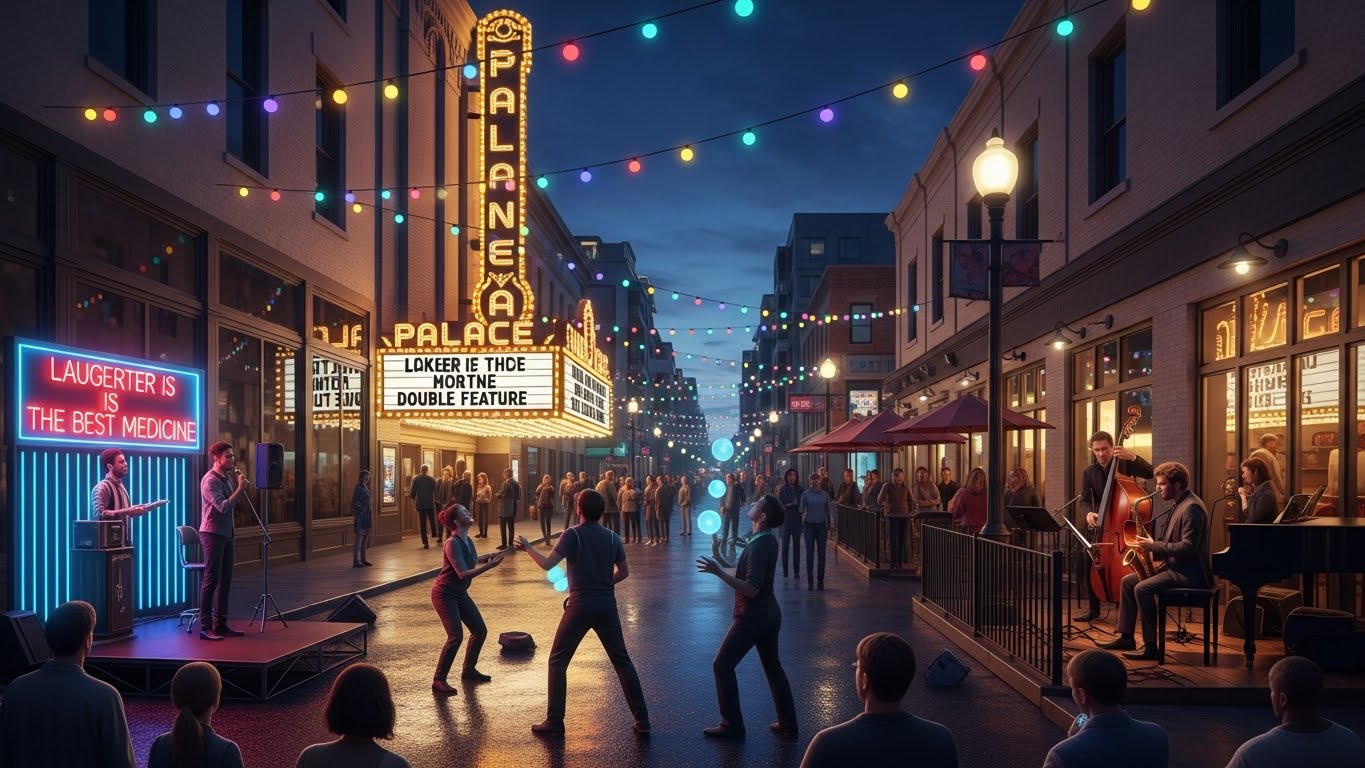
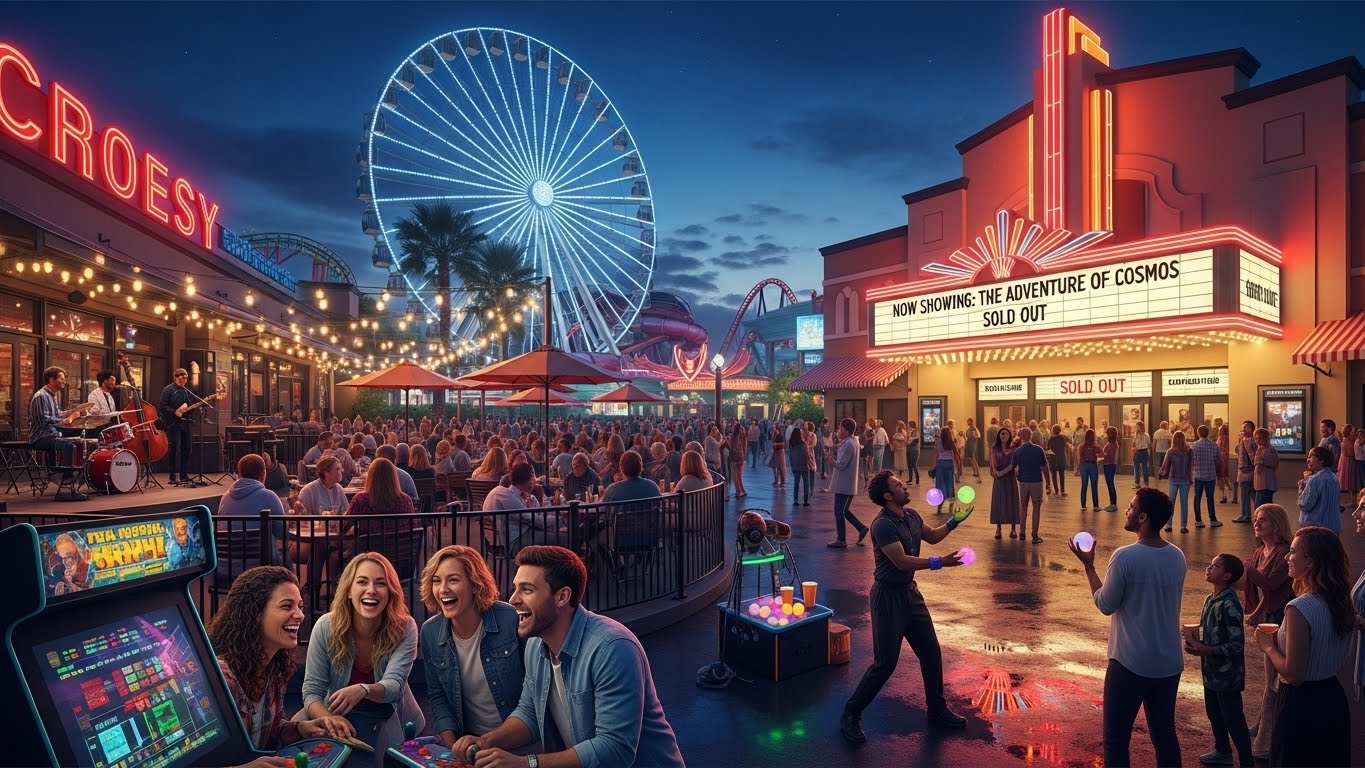
Entertainment has become more than a distraction; it is a lifeline in a world filled with responsibilities, pressures, and constant connectivity. Whether we lose ourselves in a movie, a song, or a game, entertainment provides a refreshing pause, a moment where stress quiets down and imagination steps forward. This ability to escape, even for a short while, is what makes entertainment one of the most powerful forces in human culture.
Why Storytelling Still Reigns Supreme
At the heart of entertainment lies storytelling. From ancient myths shared around fires to blockbuster films shown in theater halls, stories have always shaped how we understand the world. What makes storytelling so magical is its ability to bridge the gap between reality and fantasy. We see parts of ourselves in fictional characters, we adopt their lessons, and sometimes we even find healing through their journeys. A well-crafted story can inspire, comfort, or simply make us laugh, proving that entertainment is far more meaningful than it may appear.
The Rise of Streaming and On-Demand Culture
Gone are the days when watching a show meant waiting an entire week for the next episode. With on-demand platforms, entertainment has transformed into something personalized, faster, and more interactive. People can now binge-watch a series in a single weekend or revisit their childhood favorites with ease. This shift has not only changed how audiences consume media but has also transformed how creators produce it. Shows are now designed with broader themes, global audiences, and binge-friendly pacing. In many ways, entertainment is now shaped by the people watching it, and this dynamic has redefined the industry entirely.
How Music Continues to Evolve With Every Generation
Music has a unique ability to connect emotions, cultures, and generations. Each era introduces a new wave of artists who bring fresh sounds and styles, forming the soundtrack of the times. From soulful ballads to upbeat dance hits, music remains universal. What has changed most is how we discover it. Instead of relying on radio stations or record stores alone, listeners now explore playlists, recommendations, and viral trends. This evolution has made music more accessible than ever, allowing independent artists to find global audiences without needing large labels behind them.
The Growing Influence of Celebrity Culture
Celebrities today are more than entertainers—they are brand ambassadors, trendsetters, and cultural icons. Social platforms have amplified their voices, giving fans a closer look into their lives. This has strengthened the bond between stars and their followers, making celebrity culture more influential than ever. Whether it’s fashion, fitness routines, or motivational messages, public figures often shape opinions and inspire trends. While this influence can have both positive and negative sides, there is no denying the major role celebrity culture plays in modern entertainment.
Gaming as the Future of Interactive Entertainment
Gaming has evolved from a simple hobby into a dynamic world of creativity, competition, and community. Today’s games combine art, storytelling, music, and technology in ways unimaginable a few decades ago. Virtual worlds allow players to become heroes, explorers, and creators, offering experiences that feel almost cinematic. Competitive gaming has even grown into a global sport, complete with tournaments, championships, and professional players. The gaming industry’s rapid growth shows that interactive entertainment is no longer a niche—it is a major pillar of modern culture.
Why Nostalgia Keeps Coming Back
Nostalgia has become one of the strongest trends in entertainment. Reboots, remakes, and sequels have captured the hearts of audiences everywhere. Whether it’s a childhood cartoon brought back to life or a classic song that resurfaces in popularity, nostalgia gives people a sense of comfort and familiarity. It reminds us of simpler times and lets us relive past joys. Entertainment companies understand this emotional connection, and as long as people find comfort in nostalgia, it will continue to flourish.
The Social Side of Entertainment
Entertainment is not just an individual experience—it brings people together. Families bond over movie nights, friends share playlists, and communities gather for concerts or events. Even online spaces create unique connections, where people across different countries discuss favorite characters, theories, or fan-made creations. These shared experiences remind us that entertainment builds relationships, sparks conversations, and fosters a sense of belonging. In a world that can often feel divided, entertainment acts as a unifying thread.
Behind the Scenes: The Hard Work We Rarely See
While entertainment often appears effortless on screen or stage, the process behind it is anything but simple. Actors rehearse for months, directors spend hours crafting each moment, writers revise scripts repeatedly, and musicians work tirelessly to perfect their sound. Even the technology—lighting, editing, visual effects, production design—requires immense talent and dedication. Recognizing the effort behind the magic deepens our appreciation for the entertainment we enjoy. Every laugh, tear, or thrill we experience is the result of countless hours of creativity and commitment.
How Entertainment Shapes Culture and Identity
Entertainment influences the way people think, dress, speak, and even dream. Iconic characters become symbols of strength, hope, or resilience. Songs become anthems for movements. Films highlight social issues and start conversations that lead to change. When entertainment reflects society, it helps people understand themselves and others. And when it challenges norms, it pushes culture forward. This power to inspire and influence makes entertainment one of the most impactful forces in shaping identity.
Technology: The Silent Architect of Entertainment’s Future
From virtual reality to artificial intelligence, technology continues to transform the entertainment landscape. Realistic animation, interactive storytelling, immersive sound, and personalized recommendations are just a few examples of how technology shapes our experience. As innovations continue to emerge, entertainment will only become more engaging, more interactive, and more imaginative. The future may bring virtual concerts, holographic performances, or even fully personalized shows. One thing is certain: technology and entertainment will continue to evolve side by side.
Why Entertainment Will Always Matter
No matter how the world changes, entertainment will remain a vital part of human life. It gives us joy, comfort, and connection. It challenges our perspectives and expands our imagination. It captures our emotions, celebrates our cultures, and preserves our stories. In every form—film, music, games, theater, or art—entertainment reminds us to pause, breathe, and enjoy the moment. And in a world full of constant motion, that reminder is truly priceless.