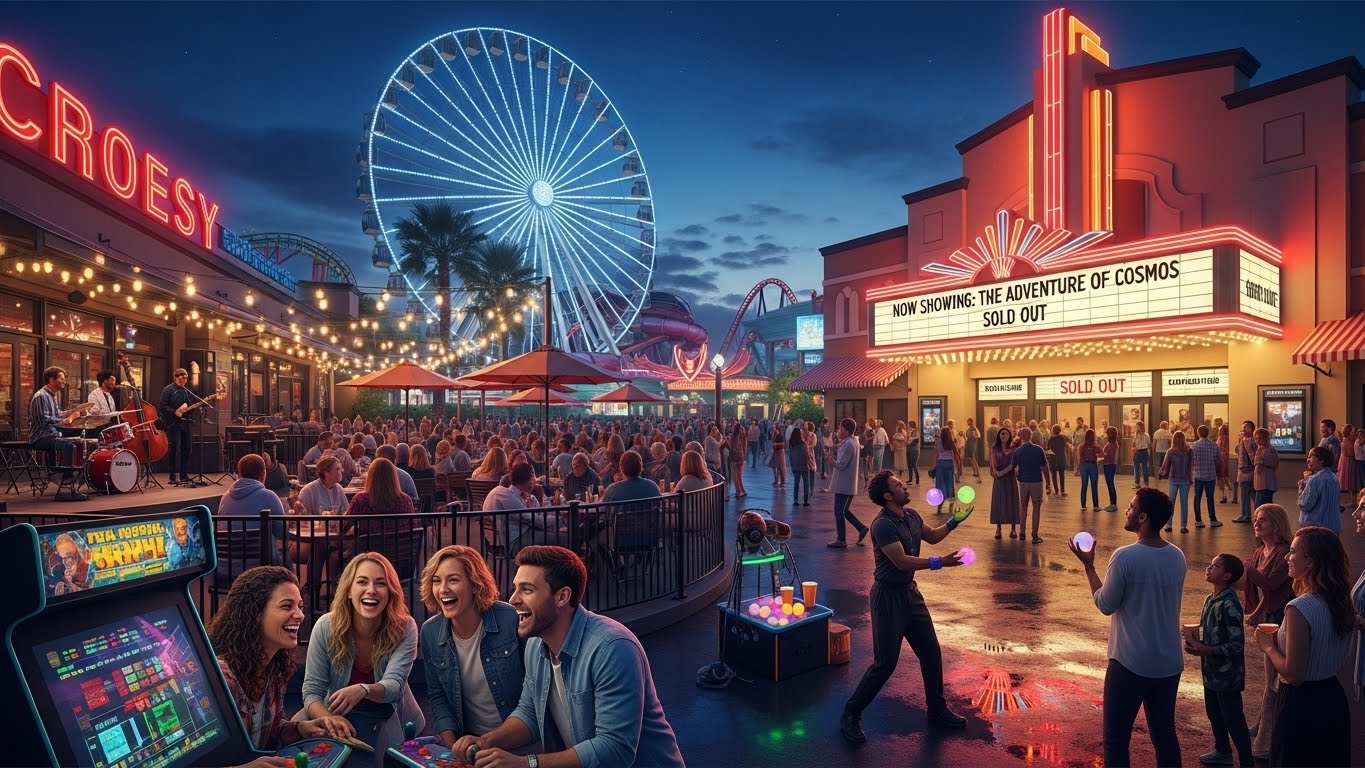

Entertainment has always been an essential part of human existence. From ancient storytelling around the fire to today’s digital spectacles, people have continuously sought ways to enjoy, relax, and experience joy through various forms of amusement. As technology evolves and lifestyles change, the world of entertainment has expanded into a dynamic and ever-growing universe. This blog explores the journey of entertainment, its impact on society, and why it remains a vital pillar of human culture.
The Historical Roots of Entertainment
Entertainment has existed long before modern media. In ancient civilizations, people found joy through festivals, dance, music, and storytelling. Theatre emerged in early Greece, allowing audiences to experience drama, emotions, and lessons through live performances. Music was used not only for celebration but also for rituals and community bonding.
These traditional forms of entertainment laid the foundation for the diverse options we enjoy today. They highlight a timeless truth: humans naturally seek moments of joy, escape, and connection.
The Evolution of Visual Entertainment
As societies developed, visual entertainment became more structured and sophisticated. The invention of photography captured moments in time, marking a major milestone. Soon after, motion pictures arrived, revolutionizing entertainment forever. Silent films evolved into full cinematic experiences with sound, color, and special effects.
The twentieth century saw the birth of Hollywood and global film industries. Movies became more than just entertainment; they became cultural symbols that influenced fashion, language, and lifestyle. Film stars rose to fame, shaping trends and inspiring generations.
Today, visual entertainment continues to grow through streaming platforms, animation, documentaries, and independent films. The diversity of stories told on screen ensures that there is something for every personality, age group, and mood.
The Power of Music Across Generations
Music is one of the most universal forms of entertainment. It transcends language, culture, and geography. Throughout history, music has been a tool for celebration, mourning, resistance, and storytelling. Every generation develops its unique sound, shaped by technology and cultural influences.
From classical orchestras to rock bands, hip-hop beats, electronic dance tracks, and soulful ballads, music continues to evolve while remaining deeply tied to human emotion. With the rise of portable music and digital platforms, people can now experience millions of songs instantly, allowing music to become a constant companion in daily life.
Music not only entertains but also heals, motivates, and unites. It plays a key role in celebrations, movies, sports events, and social gatherings, proving its irreplaceable role in human culture.
Television and the Birth of Mass Media
Television changed the entertainment landscape by bringing moving images directly into homes. Families gathered around TV sets to watch news, comedy shows, dramas, and live broadcasts. For many years, television was the primary source of entertainment, creating shared cultural moments across societies.
The rise of satellite television and private channels introduced more choices and specialized programming. Soap operas, reality shows, talk shows, and game competitions began shaping the format of modern entertainment. TV shows not only entertained but also influenced opinions, trends, and daily conversations.
Even with the rise of online platforms, television remains relevant, continuing to evolve with high-definition broadcasting and interactive services.
The Digital Revolution and Online Entertainment
With the arrival of the internet, entertainment underwent a dramatic transformation. Online platforms allowed people to watch videos, listen to music, play games, and participate in communities from anywhere in the world. Content creators emerged as a new wave of entertainers, using creativity to engage global audiences.
The digital world also brought instant access to information, making entertainment more interactive. From short videos to live streams, podcasts, and web series, digital content created a new era of endless possibilities.
Online entertainment also empowered individuals to become creators rather than just consumers. Many people now share their talents, perspectives, and stories online, building communities and gaining recognition without traditional gatekeepers.
The Rise of Interactive Entertainment and Gaming
Gaming has grown from a niche hobby into a powerful entertainment industry. Early arcade games were simple and limited, but modern games offer expansive worlds, complex narratives, and realistic graphics.
Gamers are no longer isolated players; online multiplayer games allow people to connect, collaborate, and compete across continents. Game streaming and esports have elevated gaming into a professional field, attracting millions of spectators worldwide.
Interactive entertainment also includes virtual reality experiences, where players can explore immersive digital environments. These advancements demonstrate that entertainment is no longer just something we watch—it is something we experience.
The Influence of Entertainment on Society
Entertainment plays a significant role in shaping cultural values, behaviors, and identities. Movies and shows often reflect societal issues, spark conversations, and influence public opinion. Music inspires movements, while sports unite communities regardless of background or beliefs.
Celebrity culture has created a new form of influence, with public figures shaping trends, fashion, and social attitudes. Artists, athletes, and creators hold the power to motivate, educate, and inspire their audiences.
Entertainment also contributes to the economy by generating jobs, creating global industries, and fueling tourism. Film festivals, concerts, and sports championships attract millions of visitors and create cultural exchange.
Entertainment as a Tool for Emotional Well-Being
Beyond amusement, entertainment has psychological benefits. It provides an escape from stress, a way to relax, and a method for emotional expression. Watching a comedy can lift spirits, listening to music can soothe anxiety, and playing games can relieve tension.
Entertainment also has therapeutic value. Art therapy, music therapy, and dance therapy are now recognized methods for supporting mental health. Storytelling helps people process emotions, while performing arts allow individuals to express themselves creatively.
The emotional impact of entertainment highlights why it remains a necessary part of human life.
Educational Entertainment: Learning Through Fun
Many forms of entertainment blend enjoyment with learning. Documentaries, educational shows, puzzles, interactive apps, and historical films make education accessible and enjoyable.
This concept, often called edutainment, plays a key role in shaping knowledge and curiosity among audiences. Children learn through animated series, interactive games, and storytelling, while adults explore new skills through tutorials, informational videos, and creative content.
Educational entertainment proves that learning does not have to be boring. When people enjoy the process, they absorb information more effectively.
The Social Dimension of Entertainment
Entertainment often brings people together. Families bond over movie nights, friends laugh at stand-up comedy, and communities gather for festivals and concerts. Sharing entertainment strengthens relationships and creates shared memories.
Social media platforms enhance this communal aspect by enabling people to discuss, share, and react to entertainment in real time. Fandom cultures unite people across the world based on shared interests, creating supportive and engaging communities.
Entertainment is not merely a solo experience; it is a social glue that brings individuals closer.
The Future of Entertainment
The future of entertainment looks promising, driven by advancements in technology and creativity. Virtual reality, augmented reality, artificial intelligence, and holographic displays will redefine what entertainment means.
Personalized content, immersive experiences, and interactive storytelling will become more common. Entertainment will blend with everyday life through smart devices and digital assistants.
The future may even allow audiences to shape stories in real time, turning passive viewers into active participants. As creativity expands, entertainment will continue to evolve into new and exciting territories.
Conclusion
Entertainment has journeyed through centuries, transforming from simple community gatherings to complex digital experiences. It plays a vital role in emotional well-being, cultural growth, and social connection. Whether through music, movies, games, stories, or digital platforms, entertainment continues to shape how people think, feel, and connect.
As technology progresses and creativity flourishes, entertainment will remain a timeless part of human life, offering joy, escape, inspiration, and community. The rhythm of entertainment will always pulse through society, reminding us of our shared need for expression, storytelling, and celebration.