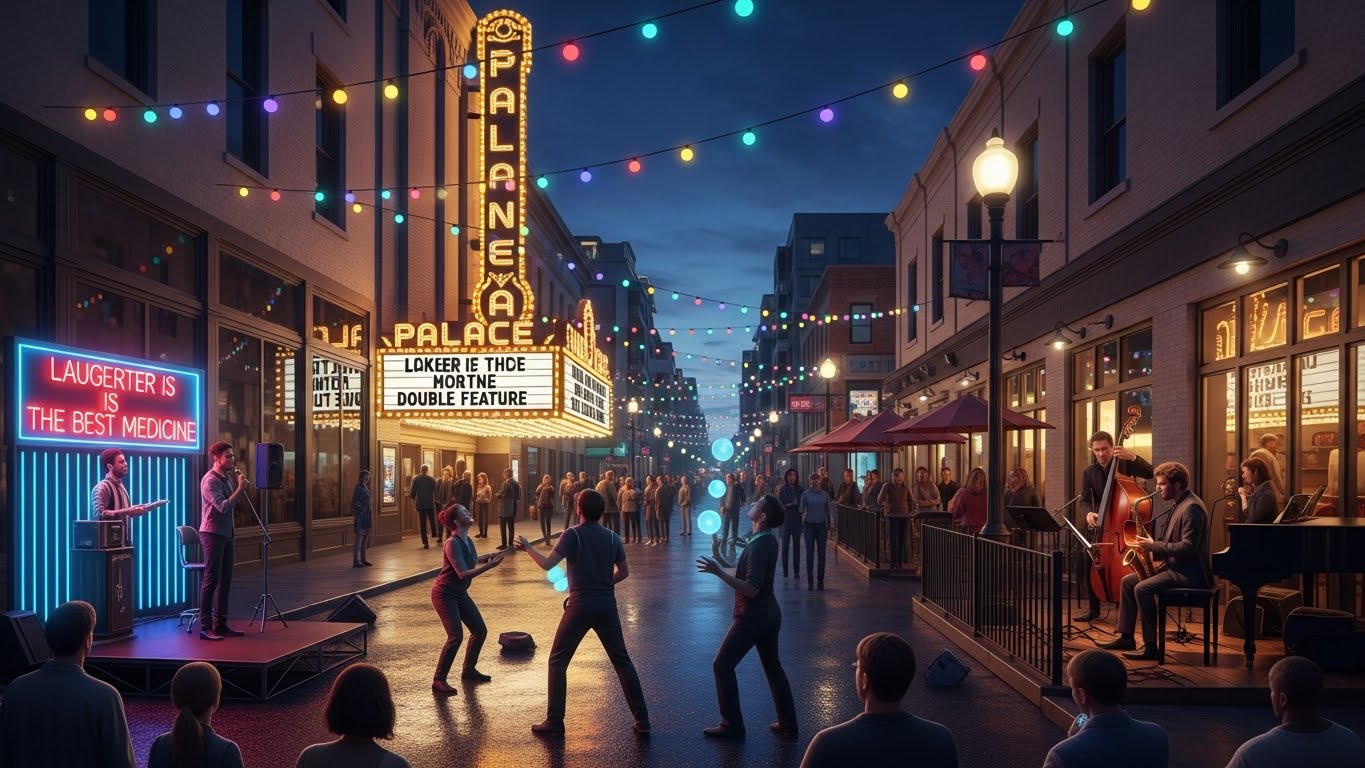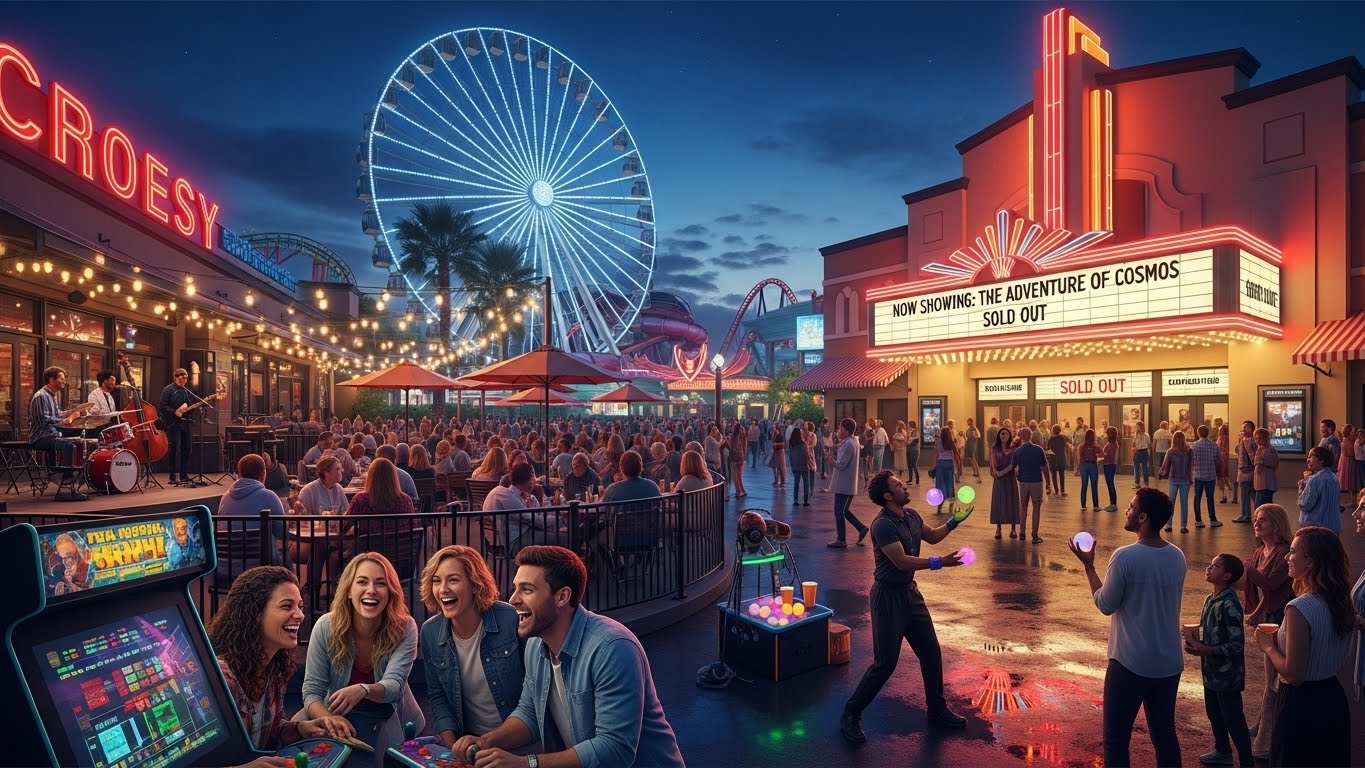
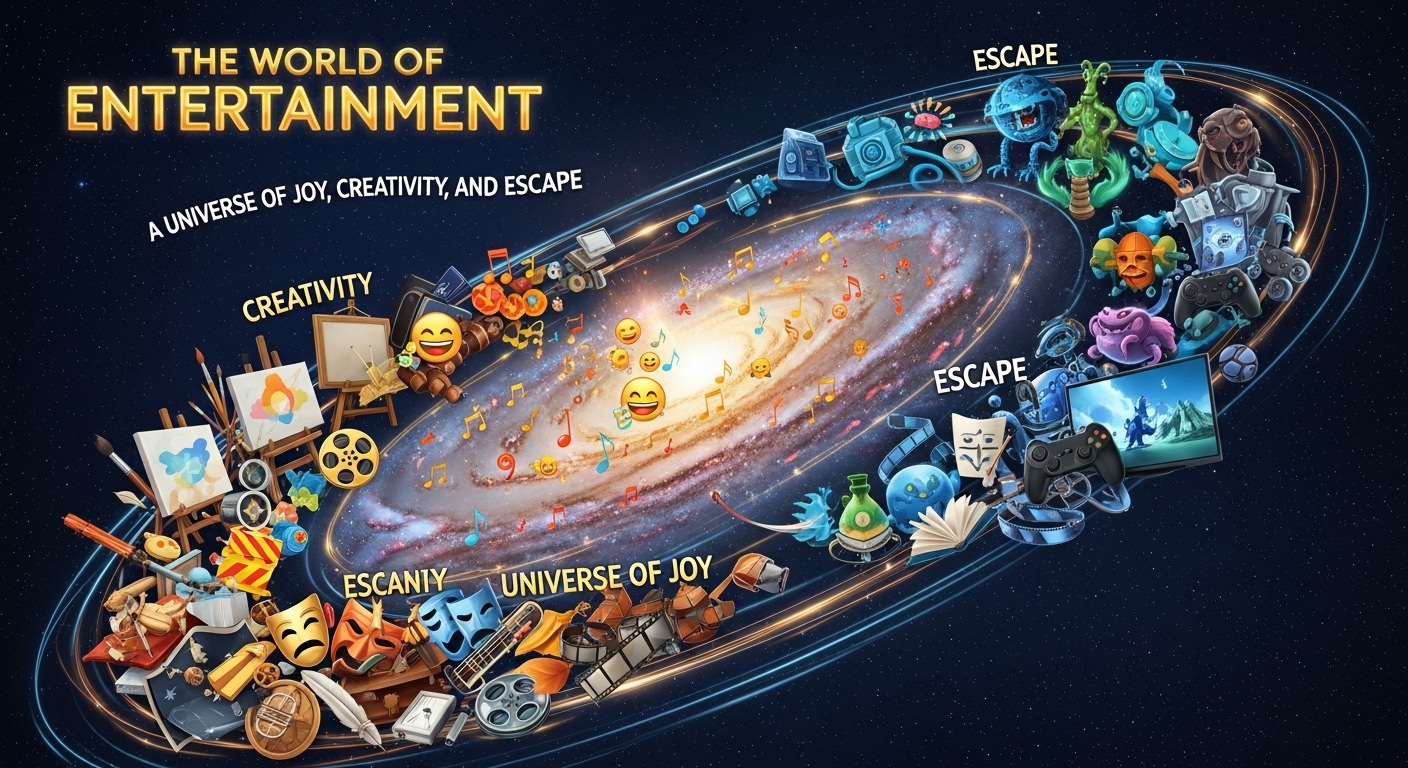
Entertainment is the heartbeat of human culture, a universal language that transcends boundaries, generations, and backgrounds. From the earliest stories told around campfires to the dazzling world of digital media today, entertainment has evolved alongside humanity, shaping our emotions, thoughts, and societies. It is a form of escape, inspiration, and education, a mirror that reflects our dreams and fears alike. In today’s fast-paced world, where people seek both relaxation and excitement, entertainment stands as one of the most powerful forces influencing our daily lives.
The Origins of Entertainment
The concept of entertainment is as old as civilization itself. In ancient times, people gathered to share myths, perform dances, and play instruments. Storytelling was the first form of entertainment, allowing communities to preserve history and values while sparking imagination. Ancient Egyptians organized lavish festivals, while the Greeks built grand theaters to showcase dramas and comedies that explored human nature. Romans filled coliseums to watch gladiators, showcasing how entertainment was intertwined with power and politics.
These early forms of amusement laid the foundation for what would become a diverse and multifaceted industry. Every culture developed its unique ways of engaging audiences—through songs, dances, or rituals—turning entertainment into a vital thread in the fabric of society.
The Rise of Theater and Performance
Theater became one of the first structured forms of entertainment. In Greece, plays by writers like Sophocles and Euripides delved into themes of love, honor, and fate. Audiences gathered in open-air amphitheaters, not just for enjoyment but for a shared emotional and intellectual experience. The art of performance grew beyond storytelling—it became a medium of communication and reflection.
Over time, theater spread across continents and evolved into different genres, from Shakespearean drama in England to opera in Italy and kabuki in Japan. Each tradition brought its own flavor, costumes, and musical styles, but the essence remained the same: to captivate audiences through performance and emotion.
The Magic of Music
Music, another ancient form of entertainment, has always held a special place in human life. It connects people beyond words, evoking emotions that can uplift, heal, or inspire. Whether it’s the rhythmic beat of drums in African ceremonies, the soulful melodies of Indian classical music, or the electrifying sound of rock and roll, music continues to unite people across cultures and generations.
In the modern world, music has transformed into a global industry. With streaming platforms, artists can now reach millions of listeners instantly. Genres blend and evolve constantly—pop meets hip-hop, jazz meets electronic beats—creating new sounds that resonate with today’s audiences. Music festivals, concerts, and award shows have become major entertainment events, celebrating creativity and collaboration.
The Golden Age of Cinema
No discussion of entertainment is complete without cinema, one of the most influential art forms of the modern era. The birth of film in the late 19th century changed the way people experienced stories. Silent films with actors like Charlie Chaplin and Buster Keaton brought humor and heart to audiences worldwide. Then came the introduction of sound and color, leading to Hollywood’s golden age, when icons such as Marilyn Monroe, Humphrey Bogart, and Audrey Hepburn graced the screen.
Movies became more than stories—they became experiences. They transported viewers to distant lands, imagined futures, and deep emotions. From thrilling action sequences to heartwarming romances, cinema offered something for everyone. Today, film continues to be a dominant force in entertainment, with technology like CGI, virtual production, and streaming services expanding its reach and creative possibilities.
The Power of Television
Television brought entertainment into people’s homes, transforming leisure time forever. What began as black-and-white broadcasts soon evolved into a colorful and dynamic medium. Families would gather around the TV to watch news, sitcoms, or variety shows, making it a central part of daily life.
Television not only entertained but also informed and shaped culture. It gave rise to legendary series that left lasting impressions on audiences, from classic comedies to gripping dramas. The arrival of cable and satellite channels expanded choices, allowing viewers to explore everything from documentaries to sports to music videos. In the 21st century, streaming platforms took this evolution further, giving audiences the freedom to watch what they want, when they want.
The Revolution of Digital Entertainment
The digital revolution has completely transformed the entertainment landscape. The internet, smartphones, and social media have made content creation and consumption faster, easier, and more interactive than ever. Platforms for video sharing, online gaming, and digital streaming have democratized entertainment, enabling anyone with talent and creativity to reach global audiences.
Social media influencers, YouTubers, and digital artists have become new-age celebrities. Their content—ranging from comedy sketches to educational videos—has redefined what entertainment means. Audiences no longer just consume content; they engage with it, share it, and even become part of it through comments, challenges, and fan communities.
The Influence of Gaming
Gaming is one of the most revolutionary developments in modern entertainment. What started with simple arcade games has grown into a multibillion-dollar industry combining storytelling, technology, and art. Video games now offer cinematic experiences, immersive worlds, and complex narratives that rival movies and novels.
With advancements in virtual reality (VR) and augmented reality (AR), players can now step into the game itself, experiencing new dimensions of interaction. Online multiplayer games have created global communities, connecting millions of players through shared adventures and competitions. Esports has become a major form of entertainment, drawing massive audiences both online and in stadiums.
The Evolution of Celebrity Culture
Entertainment has always produced stars—figures who captivate public attention and inspire admiration. In the early days, theater actors and musicians were revered. With the rise of cinema and television, the idea of the “celebrity” took on new meaning. Movie stars became cultural icons, and their lives off-screen became as fascinating to fans as their roles on-screen.
In today’s digital world, celebrity culture has evolved even further. Social media allows fans to connect directly with their favorite stars, while new types of fame emerge through online platforms. Influencers, gamers, and digital creators have joined actors and musicians in shaping popular culture. The line between creator and consumer continues to blur as audiences become active participants in shaping the entertainment landscape.
The Role of Technology in Modern Entertainment
Technology has always played a crucial role in the evolution of entertainment. From the printing press that spread literature to the camera that captured moving images, each innovation expanded how stories could be told and shared. Today, artificial intelligence, virtual production, and interactive media are revolutionizing the way entertainment is created and consumed.
Artificial intelligence is being used to compose music, generate visual art, and even write scripts. Virtual reality allows audiences to experience stories in entirely new ways, immersing them in digital worlds. Meanwhile, streaming algorithms tailor content recommendations to individual preferences, making entertainment more personal than ever before.
The Globalization of Entertainment
One of the most fascinating aspects of modern entertainment is its global reach. Cultural exchange has become a key feature of the industry, with movies, music, and series from one country gaining popularity worldwide. Korean pop music, Indian cinema, and Latin American telenovelas are now enjoyed by audiences across continents.
Streaming platforms have accelerated this trend by removing geographical barriers. People can now explore foreign cultures and languages through entertainment, promoting diversity and understanding. This globalization also encourages collaboration among artists from different backgrounds, resulting in more creative and inclusive content.
The Business of Entertainment
Behind the glamour and creativity lies a massive industry that generates billions of dollars annually. The entertainment business includes film production, music recording, event management, gaming, publishing, and more. Each segment requires not only artistic talent but also strong marketing, management, and technological innovation.
The rise of digital platforms has shifted how the industry operates. Traditional studios now compete with independent creators who can produce high-quality content with limited resources. Advertising, sponsorships, and brand partnerships have become key revenue sources, while fan engagement drives everything from merchandise sales to event attendance.
The Role of Entertainment in Society
Beyond profit and pleasure, entertainment serves deeper social functions. It brings people together, fosters empathy, and provides a platform for important conversations. Movies and songs often reflect social issues, challenge norms, and inspire change. From anti-war films to songs about equality, entertainment can be a powerful tool for awareness and activism.
During difficult times, entertainment also provides comfort and hope. Whether through laughter, music, or storytelling, it helps people escape reality, if only for a while. It’s a reminder of the resilience and creativity of the human spirit.
The Future of Entertainment
As technology continues to evolve, so too will the world of entertainment. Artificial intelligence, augmented reality, and immersive storytelling are just the beginning. The future may bring interactive films where audiences shape the outcome, concerts held in virtual worlds, or digital avatars performing live shows.
At the same time, the human desire for connection and creativity will always remain at the heart of entertainment. No matter how advanced technology becomes, stories, emotions, and experiences will continue to define how we engage with art and media. The balance between innovation and authenticity will shape the next era of entertainment.
Conclusion: The Endless Evolution of Joy
Entertainment has come a long way from the days of ancient storytelling to the age of digital marvels. It has adapted to every technological shift, embraced every culture, and touched every generation. It is more than just a pastime—it is an expression of who we are as humans: curious, emotional, and endlessly creative.
In a world often filled with challenges and uncertainties, entertainment remains a constant source of joy and inspiration. It connects people across boundaries, fuels imagination, and reminds us that life, despite its complexities, can always be celebrated through laughter, rhythm, and stories. As long as there are hearts that seek joy and minds that crave imagination, entertainment will continue to evolve—forever capturing the beauty of being human.