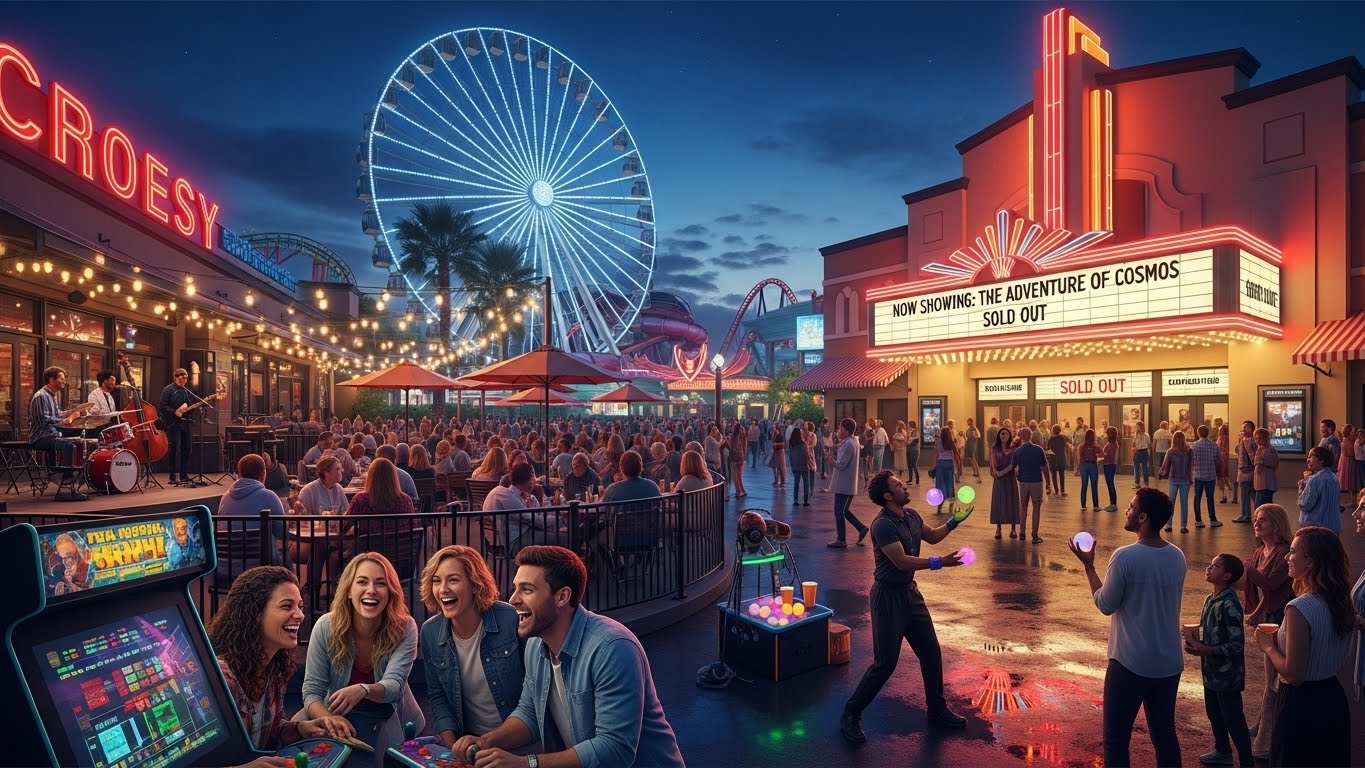
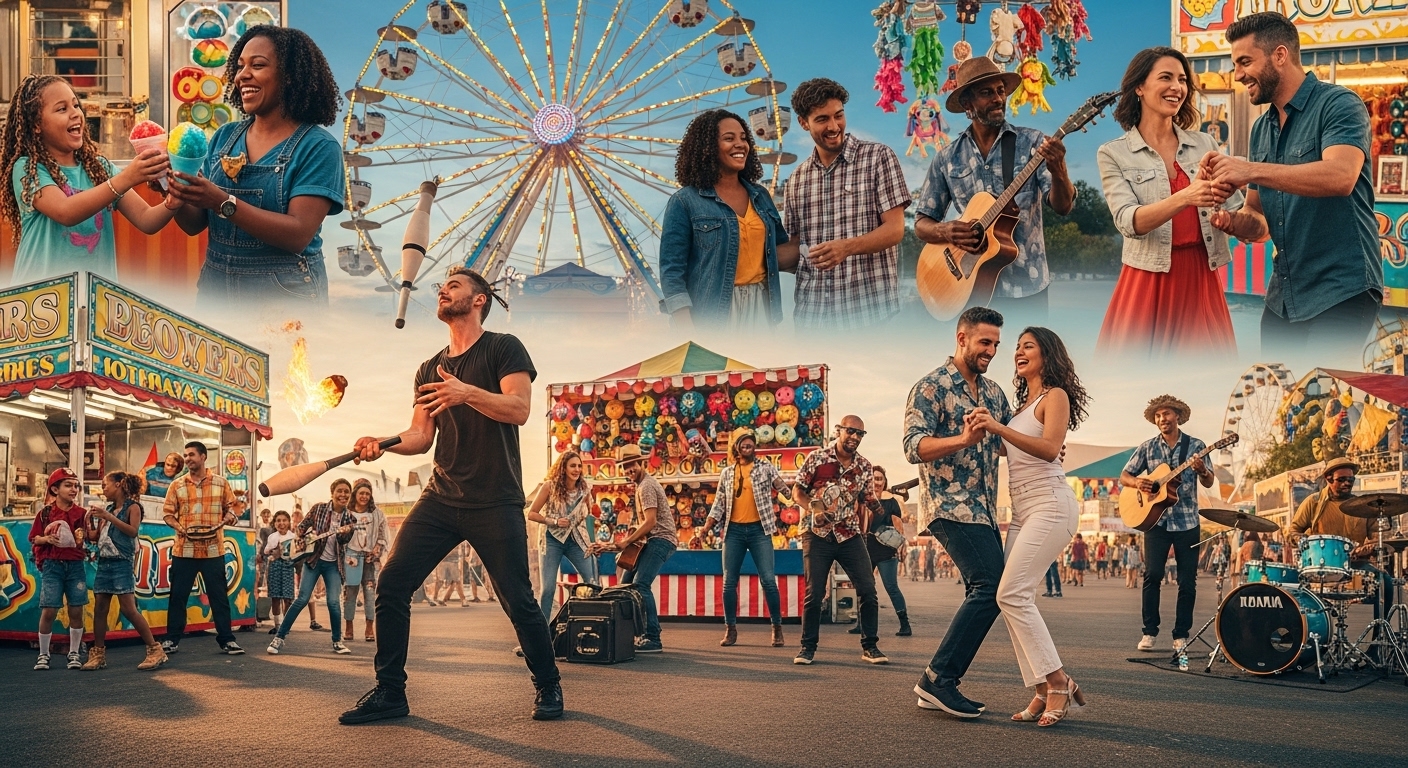
Entertainment has always been a vital part of human existence. From the earliest cave paintings to today’s virtual reality experiences, the ways people seek joy, relaxation, and connection have constantly evolved. Entertainment is not only about having fun; it is about expressing culture, understanding society, escaping reality, and connecting with others on both emotional and intellectual levels. In today’s digital age, the definition of entertainment has expanded beyond traditional mediums like theatre, books, and television, transforming into an all-encompassing industry that touches nearly every aspect of our daily lives. This blog explores the vast world of entertainment, its history, its transformation, its impact on society, and what the future may hold.
The Roots of Entertainment
To understand entertainment as it exists today, we must look back at its earliest forms. Storytelling was one of the first modes of entertainment, serving both as a way to preserve history and pass down cultural traditions. Around fires in ancient communities, tales of gods, heroes, and spirits were told to enthrall listeners. Soon, music, dance, and rituals became intertwined with storytelling. Ancient civilizations like Egypt, Greece, Rome, and China turned entertainment into a form of organized expression. The Greeks introduced theatre, where tragedies and comedies not only entertained but also reflected moral and philosophical questions of life. Romans, on the other hand, developed grand spectacles like gladiator games and chariot races to keep the masses engaged. These early entertainment forms show that amusement has always gone hand in hand with cultural values, politics, and community life.
The Role of Literature
Books have played a central role in shaping entertainment and intellectual thought. From ancient epics like the “Iliad” and “Mahabharata” to Shakespearean plays and modern novels, literature has served as both education and leisure. Reading is not only entertaining but also a journey into imagination. Fiction, poetry, and drama have allowed readers to experience lives, places, and emotions far removed from their own realities. Even in today’s digital age, literature continues to thrive through e-books, audiobooks, and online publishing platforms. This shift proves that while the medium changes, the love for storytelling remains constant.
The Golden Era of Theatre
Before cinema and television, theatre was the primary form of performance entertainment. From Shakespeare’s Globe Theatre in London to operas in Italy, live performances shaped how audiences consumed stories. Theatre has always been unique because it offers an immediate connection between performers and the audience. Whether it is a dramatic tragedy or a humorous satire, live theatre creates an experience that is difficult to replicate in recorded media. Even today, Broadway in New York or West End in London demonstrates the timeless appeal of theatre. Musicals, plays, and experimental performances remind us that live art still holds immense power in the entertainment industry.
The Birth of Cinema
The invention of the camera and motion pictures in the late 19th century marked a turning point in entertainment history. Cinema quickly became one of the most powerful mediums, blending visual storytelling with sound, acting, and direction. Silent films like Charlie Chaplin’s comedies captivated audiences, while the introduction of sound revolutionized the movie industry in the early 20th century. Hollywood emerged as the global hub of cinema, producing blockbusters that influenced fashion, language, and lifestyles. From black-and-white classics to modern CGI spectacles, cinema has remained one of the most popular entertainment forms worldwide. It has the unique ability to transport viewers into entirely different worlds within just a few hours.
The Rise of Television
While cinema required people to leave their homes, television brought entertainment directly into living rooms. After World War II, television spread across the globe, quickly becoming a family-centered medium. Sitcoms, news programs, game shows, and dramas created a shared cultural experience. Iconic shows shaped generations, and TV stars became household names. The evolution of television has been remarkable, transitioning from black-and-white broadcasts to color, then to cable and satellite networks. Today, streaming services have once again changed television, giving viewers control over what, when, and how they watch content.
Music as Universal Entertainment
Music is perhaps the most universal form of entertainment. Every culture, language, and generation has expressed emotions through music. From classical compositions of Mozart and Beethoven to modern pop icons, music connects people across boundaries. Genres like jazz, rock, hip-hop, and electronic dance music have each defined eras and lifestyles. Technology has also revolutionized music, shifting from vinyl records to CDs, MP3s, and now digital streaming platforms. Live concerts and festivals continue to be major attractions, creating unforgettable experiences for millions of fans worldwide.
The Digital Gaming Revolution
Video games, once seen as simple pastimes, have grown into a multi-billion-dollar industry that rivals movies and music. Starting from arcade classics like Pac-Man and Space Invaders, gaming has now expanded into immersive experiences with high-quality graphics and storytelling. Role-playing games, online multiplayer platforms, and esports competitions have turned gaming into a professional industry. Gamers are no longer just hobbyists; they are influencers, streamers, and global celebrities. Virtual reality and augmented reality are pushing gaming even further, blending real-world and digital experiences.
The Role of Social Media
Social media has completely transformed how people experience entertainment. Platforms like Instagram, YouTube, and TikTok have made everyone a creator and consumer at the same time. Influencers, vloggers, and content creators have replaced traditional celebrities in many ways. Social media offers bite-sized entertainment, instant access to global trends, and direct interaction between creators and fans. Memes, short videos, and live streams have become as important as films and TV shows. While this has democratized entertainment, it has also raised questions about attention spans, content quality, and the impact of viral trends on society.
Sports as Entertainment
Sports are more than just physical competitions; they are cultural spectacles that unite communities and nations. From the Olympics to the FIFA World Cup, sports events bring together millions of viewers worldwide. Athletes are celebrated as heroes, and sporting events create unforgettable moments of passion, rivalry, and national pride. The commercialization of sports through sponsorships, broadcasting rights, and merchandise has made it a massive part of the entertainment industry. Esports, in particular, has blurred the line between traditional sports and gaming, attracting millions of fans to virtual arenas.
The Role of Fashion in Entertainment
Fashion has always been closely tied to entertainment. From red carpet events to music videos, fashion trends often emerge from the entertainment industry. Celebrities influence global styles, and designers use entertainment platforms to showcase creativity. Fashion shows themselves have become grand entertainment events, blending art, culture, and performance. The partnership between entertainment and fashion highlights how appearance, style, and identity play significant roles in how audiences connect with entertainers.
The Cultural Impact of Entertainment
Entertainment is not just about having fun; it shapes how societies view themselves. Movies, songs, books, and performances often reflect cultural identities, struggles, and aspirations. They inspire movements, challenge norms, and raise awareness on social issues. For example, films have addressed racial equality, music has fueled revolutions, and television shows have normalized diversity. Entertainment mirrors society but also pushes it forward, creating opportunities for conversations and change.
The Business of Entertainment
Behind the glamour of entertainment lies a massive industry driven by creativity and commerce. From film studios and record labels to streaming platforms and gaming companies, the business side of entertainment generates trillions of dollars globally. Advertising, branding, and sponsorships make entertainment not only enjoyable but also profitable. The globalization of entertainment means that movies from Korea, music from Africa, or fashion from Europe can reach audiences everywhere. This cross-cultural exchange enriches the world while creating endless opportunities for creative talent.
Technology and the Future of Entertainment
The rapid pace of technology suggests that the future of entertainment will be even more dynamic. Artificial intelligence, augmented reality, and virtual reality are set to redefine how we experience content. Personalized recommendations already shape what we watch and listen to, while immersive experiences may soon make entertainment more interactive than ever before. The metaverse, a concept that combines digital and physical realities, could become the next stage of entertainment, where people attend concerts, watch movies, and play games in fully digital spaces. Technology is blurring the line between reality and fantasy, giving us endless possibilities.
Challenges Facing Entertainment
Despite its growth, the entertainment industry faces several challenges. Piracy, for example, affects the revenues of film and music industries. Overexposure to screens has raised health concerns, especially for younger generations. Content creators also struggle with issues of originality, intellectual property, and audience fatigue in a saturated market. Social media entertainment, while popular, often faces criticism for promoting unrealistic lifestyles. Moreover, the pressure on celebrities and creators to remain constantly relevant takes a toll on mental health. These challenges remind us that while entertainment is fun and exciting, it also carries responsibilities.
The Importance of Balance
In a world overflowing with entertainment options, balance is key. Consuming too much digital entertainment can lead to isolation, while ignoring its benefits can leave one disconnected from cultural conversations. The best way to approach entertainment is to enjoy its variety without losing touch with reality. Reading a book, watching a film, attending a live concert, or playing a game should add value to life rather than dominate it. Entertainment should enrich us, inspire creativity, and bring happiness without overwhelming our minds.
Conclusion
Entertainment has traveled a long journey from ancient storytelling to today’s digital marvels. It is not just about passing time but about connecting with people, cultures, and ideas. The beauty of entertainment lies in its diversity; whether one enjoys reading, watching, playing, or listening, there is something for everyone. As technology continues to transform this industry, the essence of entertainment will remain the same: to bring joy, spark imagination, and create shared human experiences. The future promises even more exciting ways to be entertained, but at its core, the desire to laugh, cry, dance, and dream together will never change.