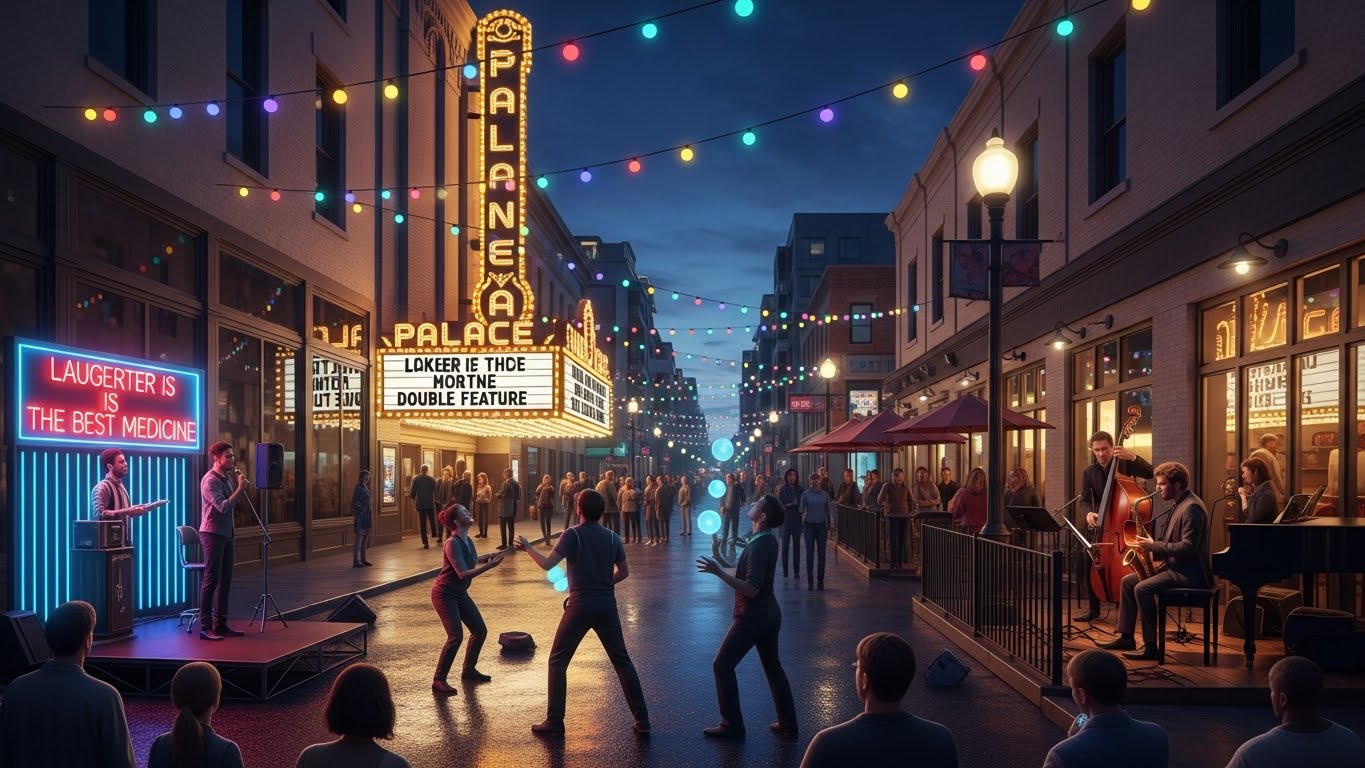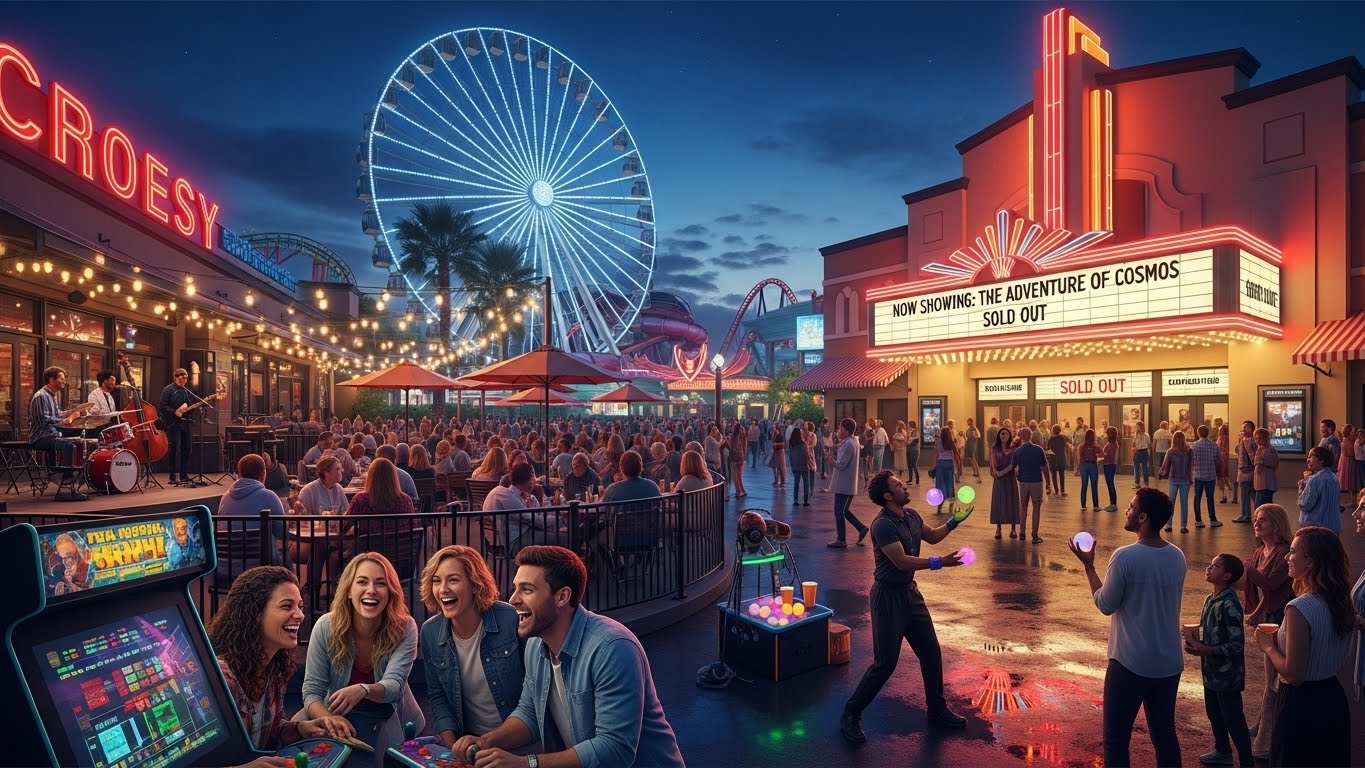
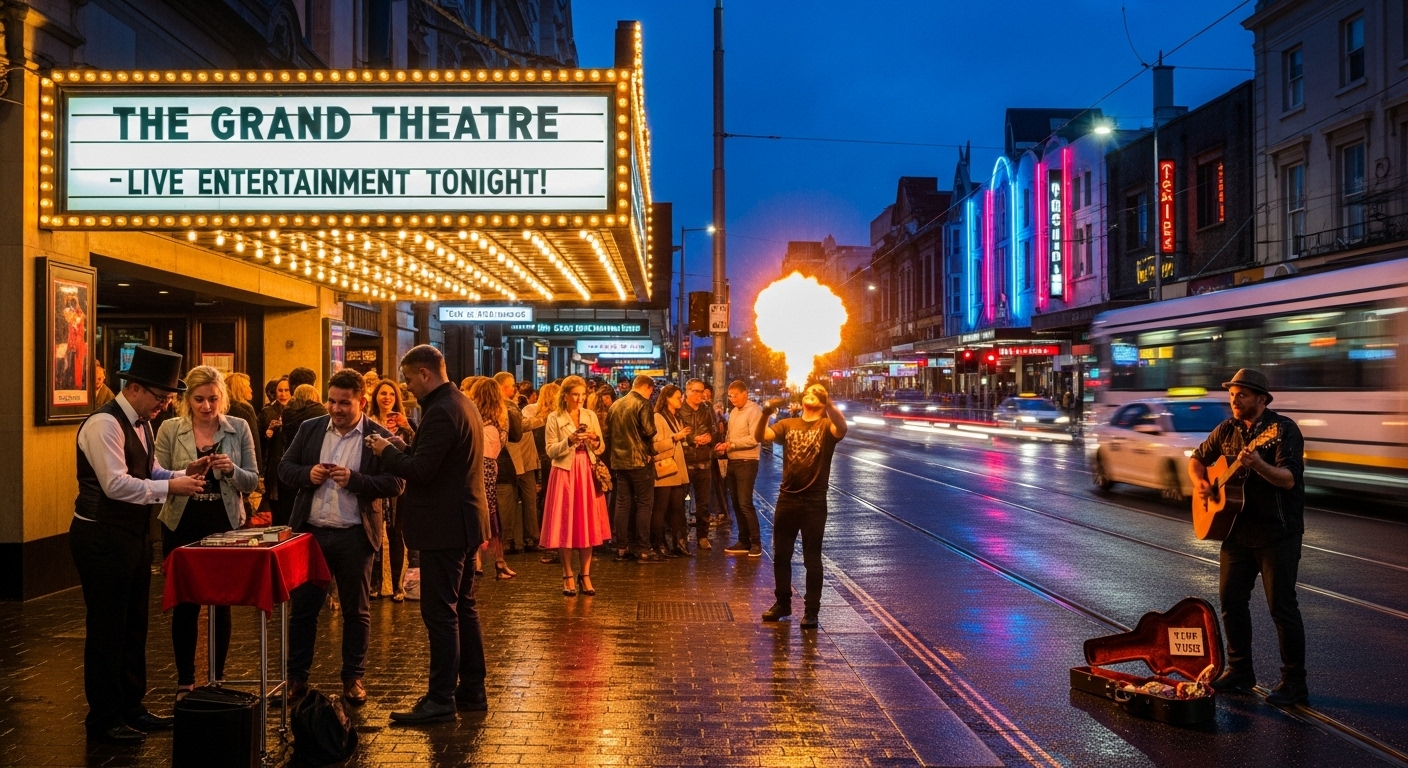
Entertainment has always been a vital part of human existence. From the earliest days of storytelling around campfires to today’s streaming services and virtual concerts, entertainment continues to evolve, adapt, and shape culture in extraordinary ways. It reflects our emotions, aspirations, and the way we connect with one another. In the modern world, the boundaries between different forms of entertainment—music, movies, sports, social media, gaming, and more—are becoming increasingly blurred. The essence of entertainment, however, remains the same: to engage, inspire, and provide an escape from the ordinary.
The Roots of Entertainment
Before the rise of modern technology, entertainment was deeply tied to cultural traditions and community gatherings. People found joy in simple forms of amusement—storytelling, music, dance, and theater. These experiences were shared in groups and helped strengthen social bonds. Storytelling, for instance, was not just about fun; it was a way to pass down wisdom, history, and values. Ancient civilizations used art, drama, and music as means of worship and communication. Greek theater, Roman gladiatorial games, and traditional dances in various cultures all served as powerful examples of how entertainment shaped societies long before the digital age.
The Evolution of Performance
As societies advanced, so did the forms of entertainment. The invention of print introduced literature to a larger audience, allowing novels, poetry, and plays to flourish. Later, the creation of radio and television revolutionized entertainment by bringing it directly into people’s homes. These platforms became sources of not only enjoyment but also education and information. The golden age of cinema in the 20th century brought forth iconic stars, unforgettable films, and new storytelling techniques. People began to see entertainment as an integral part of their daily lives rather than an occasional luxury.
The Rise of Digital Entertainment
The internet changed everything. It broke down geographical barriers and made entertainment accessible to anyone with a device and a connection. Platforms for streaming movies, music, and live events emerged, offering endless options for consumers. Social media became another major source of entertainment, turning ordinary individuals into influencers, performers, and content creators. With just a smartphone, anyone could entertain millions across the globe. The digital revolution democratized entertainment, making it possible for diverse voices and perspectives to reach massive audiences.
Music: The Universal Language
Among all forms of entertainment, music stands out as one of the most powerful. It transcends borders, languages, and cultures. A single melody can evoke memories, emotions, and even change moods instantly. Over the decades, the music industry has gone through several transformations—from vinyl records and cassette tapes to digital downloads and streaming platforms. Each era brought new ways for artists to share their creativity and connect with listeners.
Today, genres blend freely. Pop mixes with hip-hop, classical merges with electronic beats, and traditional music finds new life in contemporary compositions. Music festivals, virtual concerts, and fan interactions on social media platforms have made the experience more immersive and personal. Beyond entertainment, music has also been a tool for social change, promoting unity and awareness on issues ranging from civil rights to environmental protection.
The Magic of Cinema
Cinema has always been a powerful form of storytelling. It allows viewers to step into worlds they could never experience otherwise—to travel through time, live different lives, and see stories from new perspectives. From silent films to modern-day blockbusters, cinema has continuously evolved with technology. The introduction of sound, color, visual effects, and 3D animation transformed how stories are told and experienced.
In recent years, streaming platforms have disrupted traditional cinema by allowing people to enjoy movies at home. Yet, the charm of watching a film in a dark theater, surrounded by strangers sharing laughter or suspense, still holds its unique allure. The film industry remains a massive part of global entertainment, influencing fashion, art, and even politics.
The Power of Television
Television has played a central role in shaping modern entertainment culture. For decades, families gathered around the TV to watch their favorite shows, news, and events. Classic sitcoms, reality shows, and dramas became cultural milestones. The introduction of cable and satellite TV expanded the range of available content, while the streaming era has personalized it further. Viewers now have the power to choose what they watch, when they watch it, and even how they interact with the content.
Television today is not just about entertainment—it’s about storytelling that resonates with audiences. High-quality productions with cinematic visuals and complex plots are now common. The line between movies and TV has blurred, as many shows rival big-screen films in terms of creativity and impact.
Gaming: The New Frontier
Video games have grown from niche hobbies into a global entertainment phenomenon. What started as simple pixelated adventures has become a multibillion-dollar industry that rivals Hollywood in size and influence. Modern gaming offers immersive worlds, emotional narratives, and interactive experiences that keep players engaged for hours. Esports—competitive gaming—has transformed professional players into global celebrities, attracting millions of viewers worldwide.
Gaming also fosters community and creativity. Online multiplayer games connect people across continents, while game developers continue pushing technological boundaries. Virtual reality and augmented reality have taken gaming to new dimensions, offering lifelike experiences that blur the line between fiction and reality.
The Role of Social Media in Entertainment
Social media has redefined how people consume and create entertainment. Platforms like Instagram, TikTok, and YouTube have given rise to a new generation of creators who entertain, educate, and influence audiences in real-time. Viral challenges, short videos, and live streams have become part of everyday life. These platforms allow users to participate rather than just observe, turning entertainment into a two-way experience.
Moreover, celebrities and brands use social media to engage directly with fans, creating a sense of connection that traditional media cannot replicate. The concept of fame itself has shifted—from movie stars to influencers who gain popularity through creativity, authenticity, and relatability.
The Importance of Sports as Entertainment
Sports have always been one of the most powerful forms of entertainment, uniting people across cultures and languages. The excitement of competition, the celebration of teamwork, and the drama of victory and defeat all contribute to its universal appeal. Whether it’s football, cricket, basketball, or the Olympics, sports offer emotional highs and lows that captivate billions of fans.
Beyond watching, sports also inspire participation and promote health and discipline. The rise of sports entertainment shows, athlete documentaries, and fantasy leagues has deepened public engagement. In many ways, sports are not just games—they are grand spectacles that bring nations together.
The Influence of Fashion and Celebrity Culture
Entertainment and fashion are inseparable. The entertainment industry often sets trends that shape how people dress, talk, and even think. Celebrities, red-carpet events, and award shows play a huge role in defining popular culture. Fans look to their favorite stars for inspiration, and designers collaborate with artists to create iconic looks.
The celebrity lifestyle itself has become a form of entertainment. From interviews and documentaries to reality shows, audiences are fascinated by the behind-the-scenes lives of famous personalities. This fascination fuels media industries, creating a constant cycle of content and curiosity.
The Impact of Technology on Entertainment
Technology has transformed the way entertainment is created and consumed. High-definition visuals, surround sound, artificial intelligence, and digital editing tools have elevated production quality. Virtual and augmented reality experiences allow people to interact with content like never before. Artificial intelligence now helps personalize recommendations on streaming platforms and even assists in writing scripts or composing music.
The introduction of blockchain and NFTs has added a new dimension, enabling creators to monetize their work in unique ways. However, technology also brings challenges—such as piracy, misinformation, and the constant pressure for instant gratification. Balancing innovation with authenticity remains a key challenge for the entertainment industry.
Cultural Diversity in Entertainment
Globalization has made entertainment more inclusive and diverse. Audiences today crave authentic stories from around the world. International films, music, and art are gaining recognition across borders. The success of non-English films, world music, and cross-cultural collaborations highlights how entertainment can bridge gaps between cultures.
Representation has also become an important topic. Audiences demand diversity not only in the stories being told but also in who tells them. This shift towards inclusivity enriches the entertainment landscape, offering fresh perspectives and experiences that resonate with broader audiences.
The Psychology of Entertainment
Entertainment serves more than just a recreational purpose—it affects emotions, mental health, and social behavior. It provides relaxation after a long day, inspiration during tough times, and connection during moments of loneliness. Watching a comedy can lift one’s mood, while a dramatic story can provoke empathy and reflection. Entertainment helps people process emotions and gain new insights into life.
Moreover, it offers an escape from reality. Whether through a gripping movie, an exciting match, or an addictive game, entertainment allows people to momentarily step away from their worries. This escapism, when balanced, can be healthy and rejuvenating.
The Future of Entertainment
As technology continues to advance, the future of entertainment looks limitless. Artificial intelligence may soon generate entire movies or songs on demand. Virtual reality could replace traditional screens, offering fully immersive experiences. Holographic concerts, interactive storytelling, and personalized digital worlds may become everyday experiences.
However, with such advancements comes the responsibility to maintain creativity, ethics, and human touch. The best entertainment will always come from genuine emotion and connection. No matter how advanced technology becomes, storytelling and human imagination will remain at the heart of it.
Conclusion
Entertainment is a mirror of human life. It captures our dreams, emotions, struggles, and celebrations. From ancient performances to futuristic virtual worlds, it has continuously adapted to the changing times while preserving its core purpose—to bring joy, reflection, and connection.