Introduction
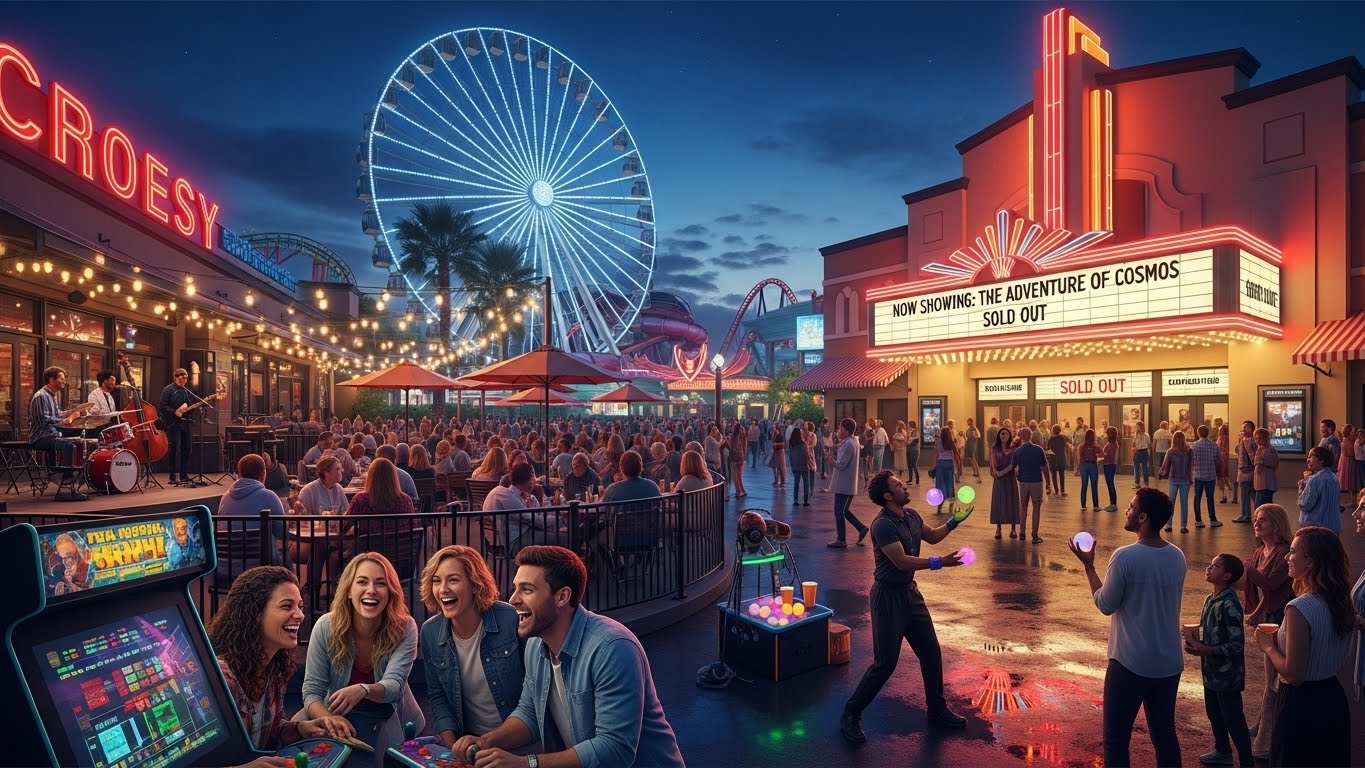
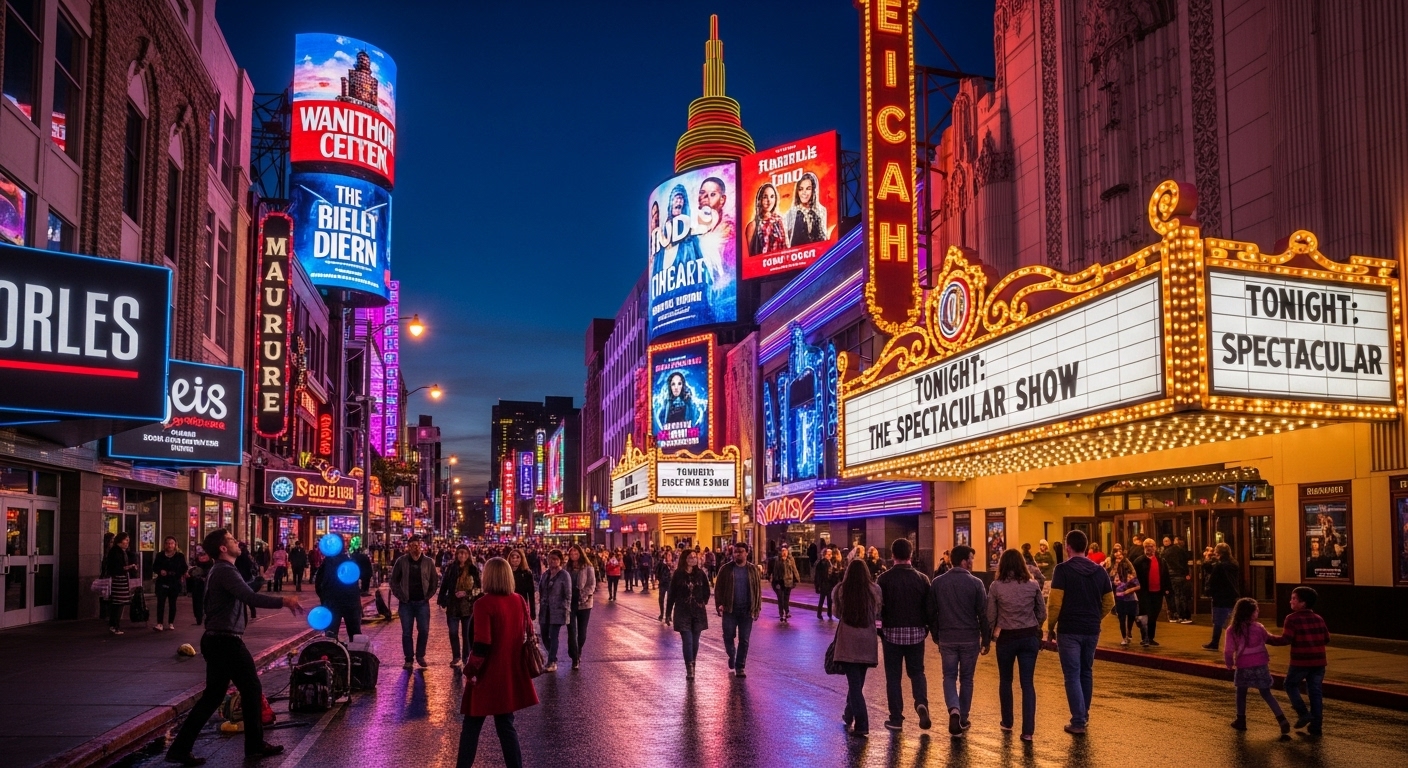
Entertainment is more than a way to pass time — it is a reflection of human creativity, emotion, and the endless desire for connection. From the ancient Roman amphitheaters to the digital streaming platforms of today, entertainment has evolved alongside society, shaping and being shaped by the cultures it touches. It offers not only joy and excitement but also insight into our collective psyche.
At its core, entertainment embodies stories, emotions, and experiences that bind humanity together. It can educate, inspire, challenge, and comfort — all while bringing people across the world closer in shared experiences. Whether through music, movies, theater, or gaming, entertainment is a language that transcends boundaries.
The Historical Roots of Entertainment
Ancient Beginnings
The earliest forms of entertainment date back thousands of years. Before the invention of writing or technology, storytelling around campfires served as the first medium of shared amusement. People used rhythm, voice, and movement to tell tales of gods, heroes, and the unknown mysteries of life.
In ancient civilizations like Egypt, Greece, and Rome, entertainment was an essential part of social and religious life. The Greeks performed dramatic plays in open-air theaters, exploring themes of love, tragedy, and fate. The Romans took entertainment to a grander scale, organizing gladiatorial combats, chariot races, and public spectacles in the Colosseum — events that both thrilled and terrified.
Medieval and Renaissance Eras
During the Middle Ages, entertainment transformed to reflect faith and community life. Traveling minstrels sang ballads, jesters performed in royal courts, and mystery plays depicted biblical stories to educate the illiterate masses.
The Renaissance era witnessed the rebirth of art and performance. Theater evolved with the works of playwrights like William Shakespeare, whose plays combined wit, emotion, and philosophy in ways that continue to inspire the world centuries later. Music and painting flourished, setting the foundation for the cultural explosion that would follow in the modern age.
The Industrial Revolution and Birth of Mass Entertainment
The 18th and 19th centuries brought profound technological changes that revolutionized entertainment. The invention of the printing press had already democratized literature, but the Industrial Revolution accelerated this by introducing new ways to produce and distribute art, books, and performances to the masses.
The rise of urbanization meant that people now lived closer together, creating audiences for theaters, concerts, and sporting events. Photography, followed by motion pictures, opened the door to visual storytelling on an unprecedented scale.
By the early 20th century, cinema became the heart of global entertainment. Silent films captured imagination through expressive acting and inventive camera work. When sound was introduced in the late 1920s, film stars became international icons, and Hollywood emerged as the entertainment capital of the world.
The Golden Age of Film and Television
Cinema as a Global Phenomenon
The mid-20th century marked the “Golden Age of Hollywood,” when studios like MGM, Paramount, and Warner Bros. produced classics that defined genres — from romantic dramas to westerns and musicals. Stars like Marilyn Monroe, Humphrey Bogart, and Audrey Hepburn became legends, embodying glamour and sophistication.
Film was not just escapism; it reflected society’s hopes, fears, and dreams. Movies such as Casablanca and Gone with the Wind combined artistry with emotion, resonating with audiences across generations.
Simultaneously, global cinema flourished beyond Hollywood. In India, the Bollywood film industry became a cultural force, blending music, dance, and storytelling into a distinct art form that captivated millions. European and Asian cinema brought intellectual and artistic perspectives, showing that entertainment could be both meaningful and mesmerizing.
Television Takes Over
By the 1950s, television became a household fixture. Families gathered around small screens to watch nightly news, comedies, and live broadcasts. Shows like I Love Lucy, The Twilight Zone, and The Ed Sullivan Show changed the rhythm of family life.
Television redefined entertainment by making it personal and immediate. It brought world events into living rooms, allowing people to witness history as it happened. Over time, it became a powerful tool not just for amusement, but for social commentary and education.
Music: The Universal Language of Emotion
Music has always been the heartbeat of human expression. It transcends language, culture, and time — communicating emotions words cannot. Every generation creates its own soundtrack, shaped by the mood and values of the era.
The Evolution of Popular Music
In the early 20th century, jazz emerged as a revolutionary form of music that blended African rhythms with Western harmonies. It embodied freedom, rebellion, and creativity. The mid-century saw the rise of rock and roll, led by icons like Elvis Presley, whose music electrified a generation and challenged social norms.
The 1960s and 70s brought the cultural revolution — from The Beatles to Bob Dylan — where music became a voice for peace, equality, and change. Later decades introduced hip-hop, pop, electronic, and fusion genres, proving that music constantly reinvents itself.
Music in the Digital Age
Today, digital technology has transformed how we create, distribute, and consume music. Streaming platforms give listeners instant access to millions of songs, while social media enables independent artists to reach global audiences. Music videos, once secondary, are now art forms in their own right — blending visuals and sound to create immersive experiences.
The Rise of Sports as Entertainment
Sports have always fascinated humanity because they combine physical excellence with emotional drama. Ancient competitions like the Olympic Games were both religious ceremonies and showcases of athletic skill.
Modern sports have evolved into global entertainment empires. Events like the FIFA World Cup, the Olympics, and the Super Bowl attract billions of viewers. Athletes are no longer just competitors — they are cultural icons, role models, and influencers.
Sports entertainment also extends beyond the field. Documentaries, biopics, and virtual sports have given fans new ways to connect with their favorite teams and players. The line between sport and showmanship continues to blur, as seen in professional wrestling, esports, and celebrity-driven tournaments.
The Digital Revolution: The Internet Era of Entertainment
Streaming and On-Demand Culture
The internet changed everything. With the rise of platforms offering instant access to movies, music, and games, audiences gained control over when and how they consume entertainment. No longer bound by television schedules or cinema showtimes, people now curate their own entertainment experiences.
Streaming services have revolutionized not just viewing habits but also content creation. Independent filmmakers, musicians, and comedians can reach audiences without traditional gatekeepers. This democratization has led to a surge in creativity, diversity, and experimentation.
Social Media and User-Generated Content
Social media platforms like Instagram, YouTube, and TikTok have turned ordinary individuals into entertainers with global followings. Viral videos, memes, and live streams blur the lines between professional and amateur entertainment.
This participatory culture has made entertainment more interactive than ever. Audiences no longer just watch — they comment, remix, and create. The rise of influencers has also transformed marketing and branding, as companies leverage entertainment personalities to reach younger consumers.
Gaming: The New Frontier of Entertainment
Gaming has evolved from a niche hobby into a cultural powerhouse. Video games now rival — and sometimes surpass — films and television in revenue and impact.
From Arcades to Consoles
The journey began with simple arcade games like Pong and Space Invaders, which captivated a generation of players in the 1970s and 80s. The introduction of home consoles brought gaming into living rooms, creating franchises like Super Mario, The Legend of Zelda, and Sonic the Hedgehog.
Modern Gaming and Virtual Worlds
Today’s gaming experiences are immersive, cinematic, and often social. Online multiplayer games like Fortnite, Call of Duty, and League of Legends attract millions of daily players, while story-driven games rival Hollywood productions in narrative and emotional depth.
Virtual reality (VR) and augmented reality (AR) technologies are pushing the boundaries of imagination, allowing players to step directly into digital worlds. Gaming has become not only entertainment but also education, therapy, and community-building.
Comedy and the Art of Laughter
Comedy holds a special place in entertainment because it offers relief, perspective, and unity. From ancient court jesters to modern stand-up comedians, humor reflects society’s contradictions and shared experiences.
In the television era, sitcoms like Friends and The Office became cultural touchstones, shaping how we perceive friendship, work, and love. Stand-up comedy, meanwhile, has evolved into a powerful platform for social critique, where comedians address politics, identity, and everyday struggles through laughter.
Today, comedy thrives online — through sketches, podcasts, and short-form videos — proving that laughter remains one of the most accessible and universal forms of entertainment.
The Influence of Entertainment on Culture and Society
Entertainment does more than amuse; it shapes beliefs, behavior, and identity. Films and music often set fashion trends, popularize slang, and challenge social norms. Television dramas can influence how we perceive justice, relationships, or even history.
However, with great influence comes great responsibility. The media can perpetuate stereotypes or inspire change. Positive representation in entertainment helps marginalized voices find visibility, while thought-provoking works can spark important conversations about race, gender, and equality.
Entertainment, when used consciously, becomes a tool for empathy — helping people understand experiences beyond their own.
The Economics of Entertainment
Behind the glamour lies a massive global industry. The entertainment sector contributes trillions of dollars to the world economy, employing millions of artists, technicians, writers, and marketers.
Streaming services, gaming companies, and film studios constantly compete for audience attention in an increasingly crowded marketplace. Intellectual property, franchises, and fan communities are now major assets. Blockbuster films, hit songs, or viral trends can generate immense revenue and influence cultural landscapes.
The shift to digital has disrupted traditional business models but also opened doors for independent creators and smaller studios. Crowdfunding, digital distribution, and fan support platforms empower artists to monetize their creativity directly.
The Future of Entertainment
The next era of entertainment will likely blend technology with human imagination in ways we can barely predict. Artificial intelligence, virtual reality, and interactive storytelling are transforming how we experience stories. Audiences may soon play a direct role in shaping narratives, blurring the line between creator and consumer.
Personalized entertainment powered by AI will cater to individual tastes, offering customized films, songs, or even virtual companions. However, this future also raises questions about privacy, authenticity, and the role of human creativity.
Despite technological shifts, one thing remains constant: our need for stories, emotions, and shared joy. Whether through a stage performance, a digital game, or a heartfelt song, entertainment will always be about connection.
Conclusion
Entertainment is the lifeblood of culture — a reflection of who we are and who we aspire to be. It mirrors our fears, celebrates our triumphs, and connects our souls across time and space. From the earliest tales whispered around firelight to the immersive experiences of virtual worlds, the essence of entertainment remains unchanged: to make us feel, think, and dream.
In a world often divided by politics, geography, and ideology, entertainment reminds us of our shared humanity. It brings laughter when we are weary, inspiration when we are lost, and understanding when we are apart. As long as humans have stories to tell, entertainment will continue to evolve — endlessly fascinating, profoundly moving, and eternally essential.