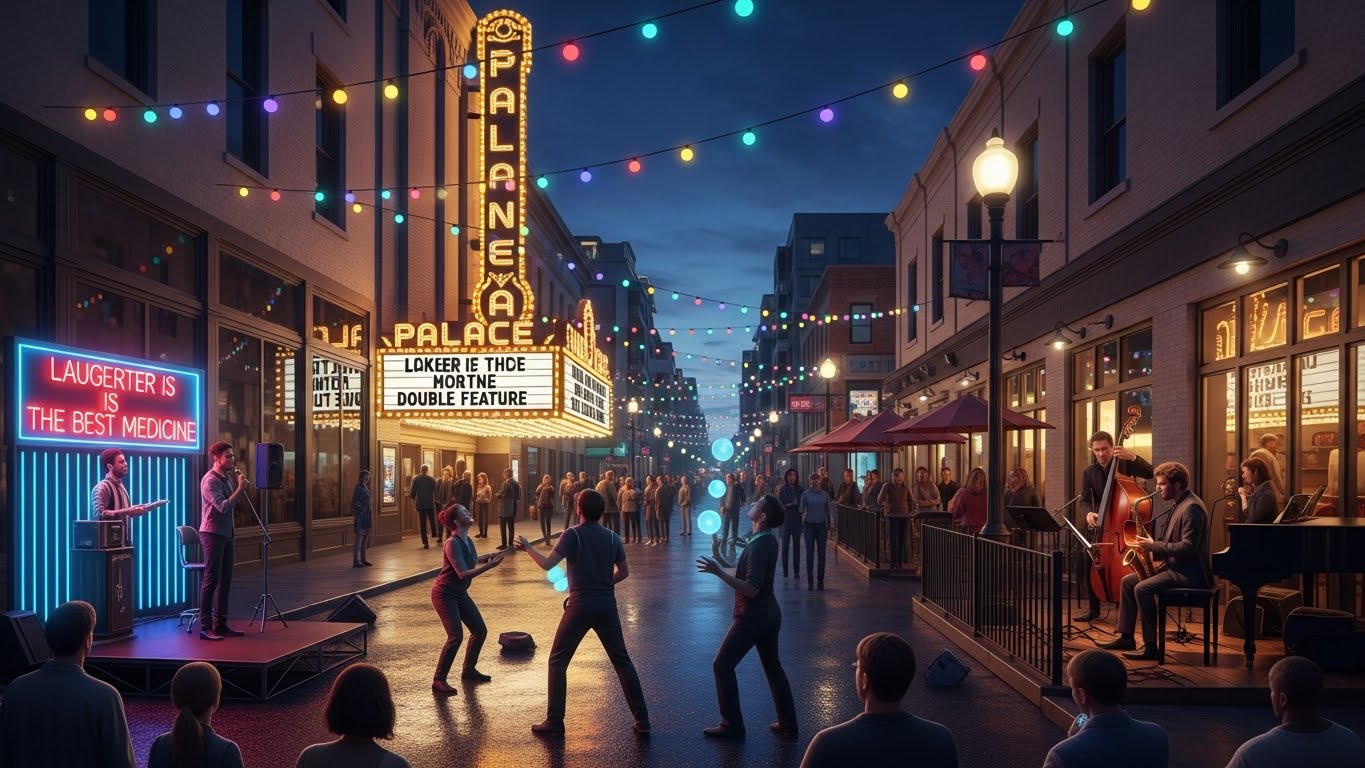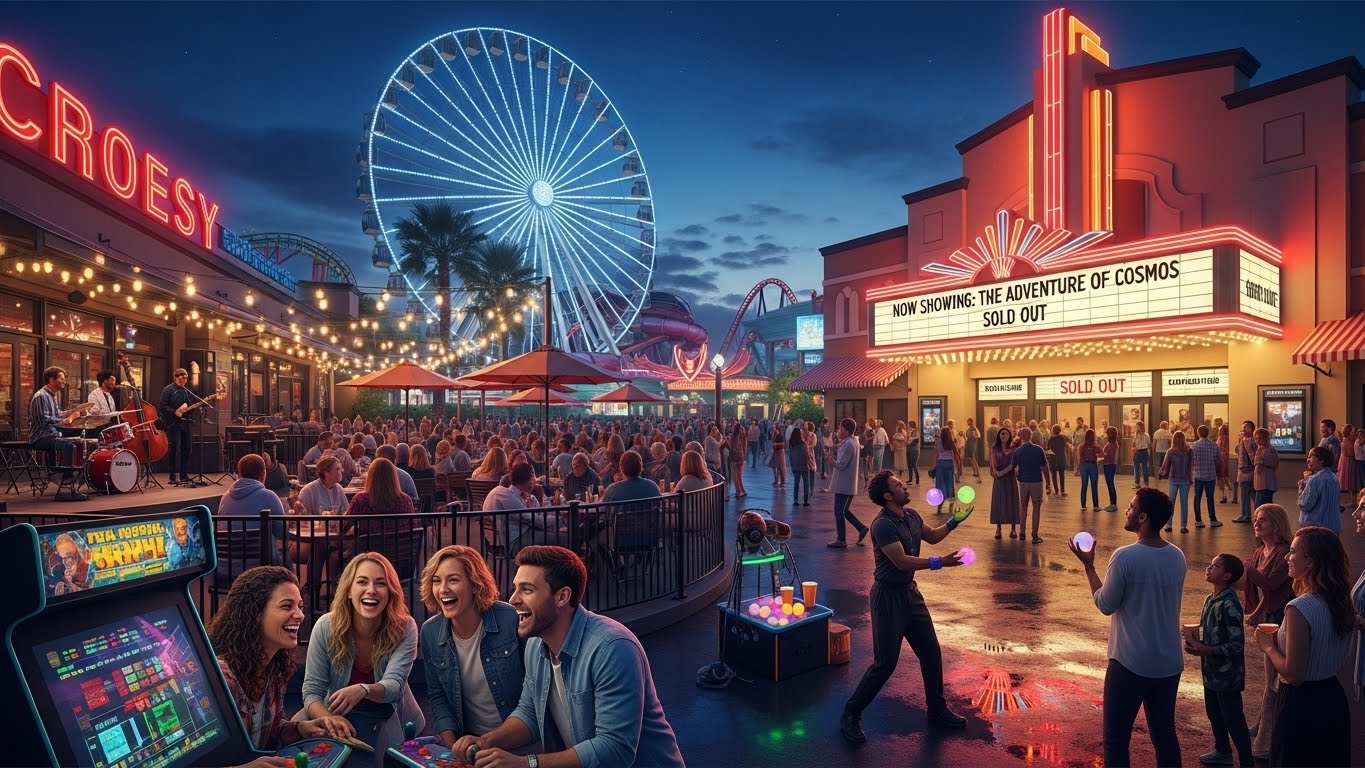
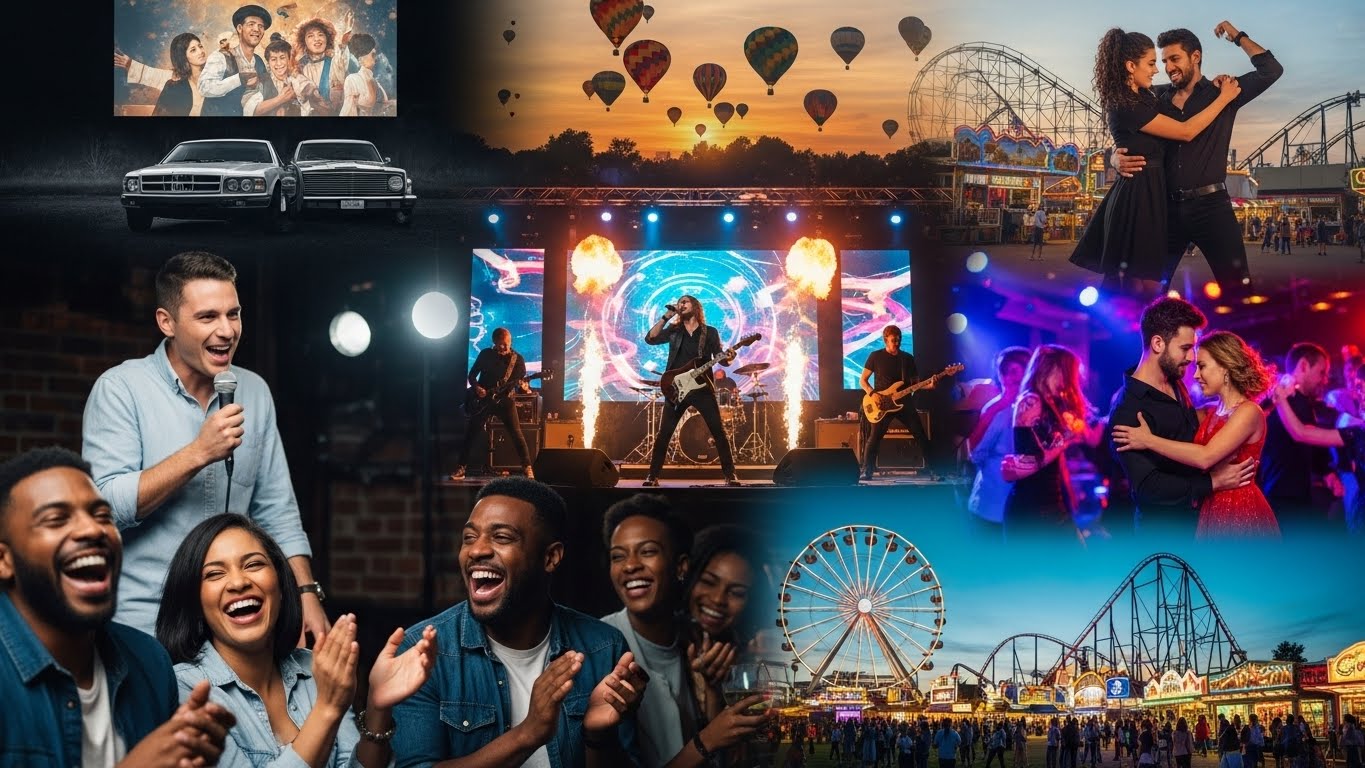
Entertainment has been a vital part of human civilization for centuries, evolving from simple activities like storytelling and music to complex multi-sensory experiences involving technology, digital media, and global connectivity. From ancient times to the modern digital age, entertainment has not only served as a means of relaxation and escape but also as a form of social interaction and cultural exchange. This blog explores the dynamic world of entertainment, examining its transformation, its impact on society, and its role in our daily lives.
The Origins of Entertainment: From Primitive Forms to Cultural Rituals
The history of entertainment can be traced back to the earliest days of human civilization. In ancient times, before the advent of written language or advanced technologies, entertainment was a communal experience. Early humans gathered around the fire, sharing stories, songs, and dances that were central to their survival and social cohesion. These forms of entertainment were not only fun but served practical purposes—passing down knowledge, strengthening community bonds, and celebrating religious or seasonal events.
Primitive forms of entertainment, such as storytelling, music, and dance, played a significant role in cultural rituals and ceremonies. These activities helped preserve traditions, educate the younger generation, and reinforce societal norms. For instance, the ancient Greeks held dramatic festivals in honor of their gods, where theatrical plays were performed to entertain and also educate the public about moral and ethical lessons.
The Birth of Mass Entertainment: The Rise of the Theatre and Cinema
As societies progressed and technology advanced, entertainment began to take more structured and varied forms. One of the most significant milestones in the history of entertainment was the rise of theatre in ancient Greece and Rome. The concept of dramatic plays, where actors performed in front of an audience, laid the foundation for modern-day theatre, which continues to be a significant form of entertainment today.
By the 19th century, with the invention of cinema, entertainment entered a new era. The first films were simple, short clips with no sound, but they quickly evolved into full-length features with rich plots, complex characters, and captivating special effects. The birth of Hollywood in the early 20th century marked the beginning of the modern film industry, and movies soon became a primary source of entertainment for people all around the world.
With the development of cinema, people no longer had to attend live performances; instead, they could experience entertainment at home or in a theatre, immersing themselves in fantastical worlds created by filmmakers. As the film industry grew, so did the opportunities for global distribution, and movies became a shared cultural experience, uniting people from different parts of the world.
The Digital Revolution: Entertainment in the Age of Technology
The 21st century has ushered in a digital revolution that has completely transformed the entertainment landscape. The rise of the internet, social media platforms, and mobile devices has given birth to new forms of entertainment, many of which are highly personalized and interactive. Streaming services like Netflix, Hulu, and Disney+ have revolutionized how we consume television shows and movies, providing on-demand access to an almost endless library of content.
The digital age has also given rise to video games, which have become a dominant form of entertainment worldwide. Video games offer players a highly interactive experience, allowing them to immerse themselves in virtual worlds, control characters, and engage in complex narratives. The global gaming industry is now worth billions of dollars, attracting millions of players of all ages and backgrounds.
Additionally, social media platforms such as Instagram, YouTube, and TikTok have allowed people to create and consume content in new ways. These platforms have democratized entertainment, enabling anyone with an internet connection to become a content creator and share their talents with a global audience. The viral nature of social media has transformed how entertainment is consumed, with trends and challenges spreading rapidly across the world, often shaping popular culture in real-time.
The Influence of Entertainment on Society and Culture
Entertainment is not only a form of personal leisure but also a powerful cultural force that shapes our values, behaviors, and perceptions of the world. It reflects the beliefs and norms of the society in which it is created and often plays a crucial role in influencing public opinion and social movements. Throughout history, entertainment has been used to challenge the status quo, raise awareness about social issues, and advocate for change.
For example, movies and television shows have often tackled important social issues such as racial inequality, gender roles, and political corruption. The civil rights movement in the United States was bolstered by the power of television and film, with groundbreaking movies like Guess Who’s Coming to Dinner (1967) and Malcolm X (1992) bringing issues of race and justice to the forefront of public consciousness.
Similarly, entertainment has provided a platform for marginalized groups to share their stories and experiences. The rise of LGBTQ+ representation in film and television has given voice to individuals who were previously underrepresented or misrepresented in the media. Today, shows like Pose and movies like Moonlight explore themes of identity, acceptance, and love, while shedding light on the struggles faced by the LGBTQ+ community.
Moreover, entertainment plays a key role in promoting global culture. The rise of international film festivals like Cannes and the increasing popularity of foreign-language films have allowed cultural exchange to flourish. Korean cinema, for example, has gained international recognition, with films like Parasite (2019) breaking barriers and winning prestigious awards, exposing audiences around the world to new storytelling traditions and perspectives.
The Future of Entertainment: Virtual Reality, AI, and Beyond
As technology continues to advance at an exponential rate, the future of entertainment holds even more exciting possibilities. One of the most promising developments is the rise of virtual reality (VR) and augmented reality (AR). These immersive technologies have the potential to revolutionize how we experience entertainment, allowing users to fully immerse themselves in virtual worlds or interact with digital elements in the real world.
Virtual reality is already being used in gaming, offering players an unparalleled level of immersion. As VR technology becomes more affordable and accessible, it’s likely that we’ll see an explosion of VR-based entertainment experiences in film, music, and theatre. Imagine watching a movie where you can move around and interact with the environment, or attending a live concert where you can feel like you’re right there in the front row, even though you’re miles away.
Artificial intelligence (AI) is also beginning to play a significant role in the entertainment industry. AI is being used to create hyper-realistic CGI characters in films, personalize recommendations on streaming platforms, and even assist in the creation of music and art. As AI continues to develop, it could become a key player in content creation, offering new ways to produce and experience entertainment.
In addition, the rise of blockchain technology could change the way we consume and monetize entertainment. With the use of non-fungible tokens (NFTs), creators could have more control over their intellectual property, while consumers could own a piece of their favorite content, whether it’s a digital artwork, a music track, or a moment from a live event.
Conclusion: Entertainment as an Essential Part of the Human Experience
Entertainment, in all its forms, is a fundamental part of the human experience. It has evolved alongside humanity, adapting to technological advances, societal changes, and shifts in cultural norms. From its humble origins in storytelling and music to the immersive, interactive experiences of today, entertainment continues to play a central role in shaping our lives, our relationships, and our understanding of the world.
Whether through films, television, video games, or social media, entertainment offers us a way to escape, reflect, and connect with others. It provides a mirror through which we can examine ourselves and our society, challenge our beliefs, and explore new ideas. As technology continues to evolve, the possibilities for entertainment are endless, promising exciting new ways to engage with stories, art, and culture in the years to come.
Ultimately, entertainment is not just about passing the time; it’s about fulfilling our deeper needs for connection, meaning, and expression. It’s an essential part of our lives, and its future holds limitless potential for innovation and creativity. So, whether you’re watching a movie, playing a game, or browsing social media, remember that you’re not just being entertained—you’re engaging with a vital and evolving aspect of the human experience.