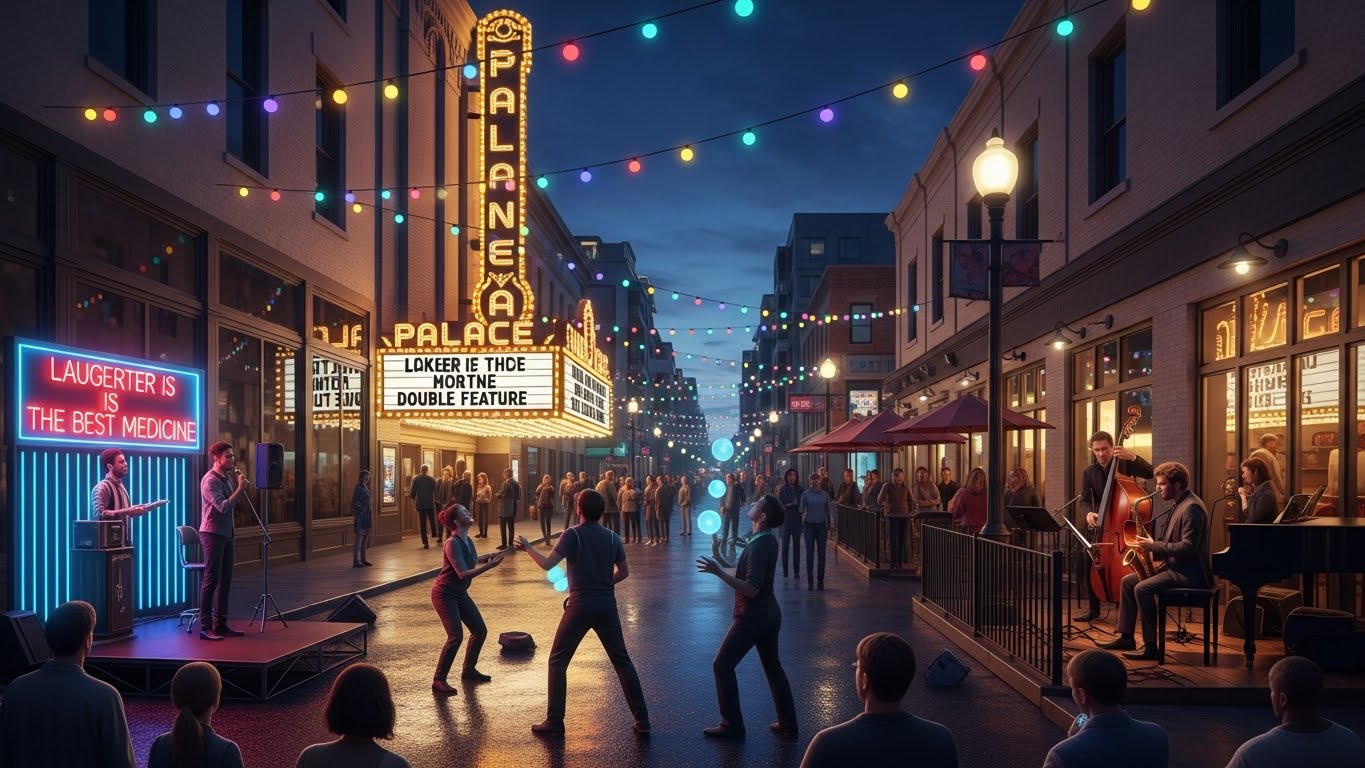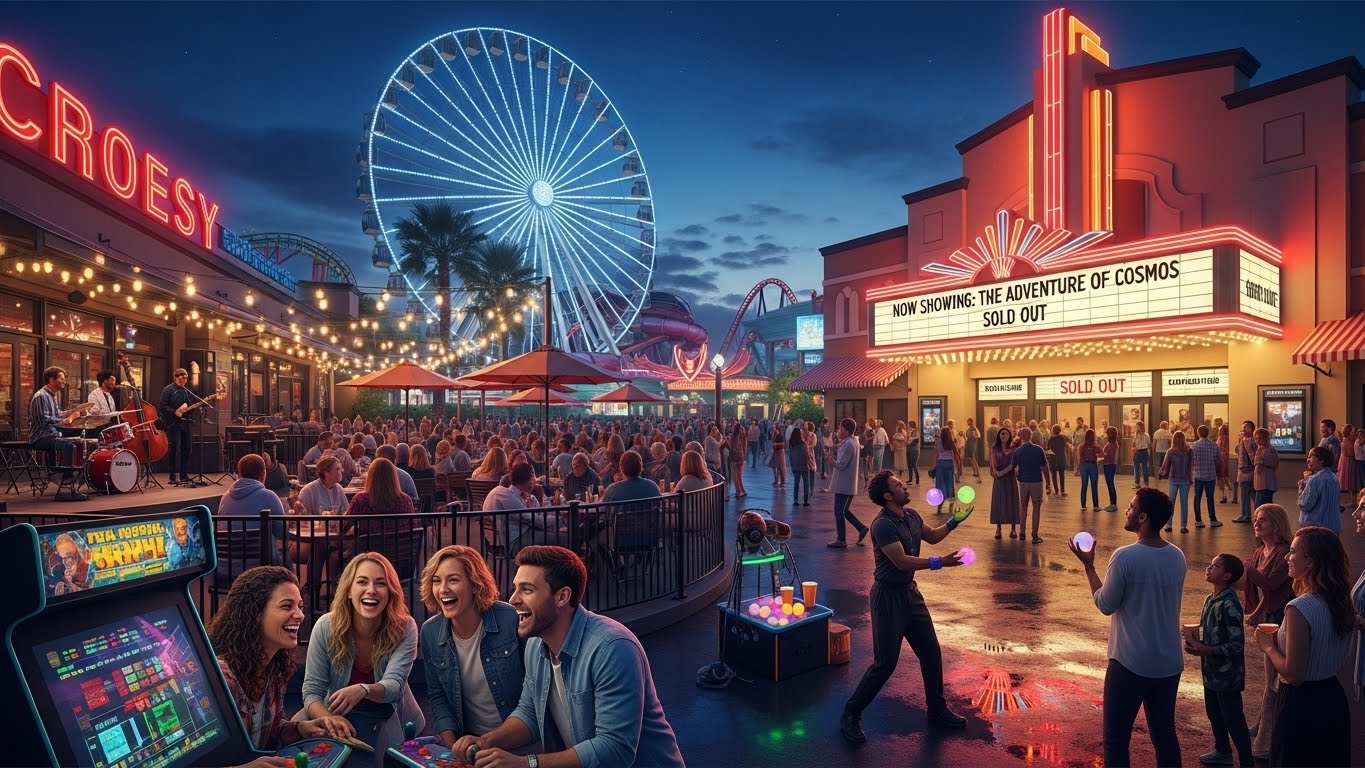
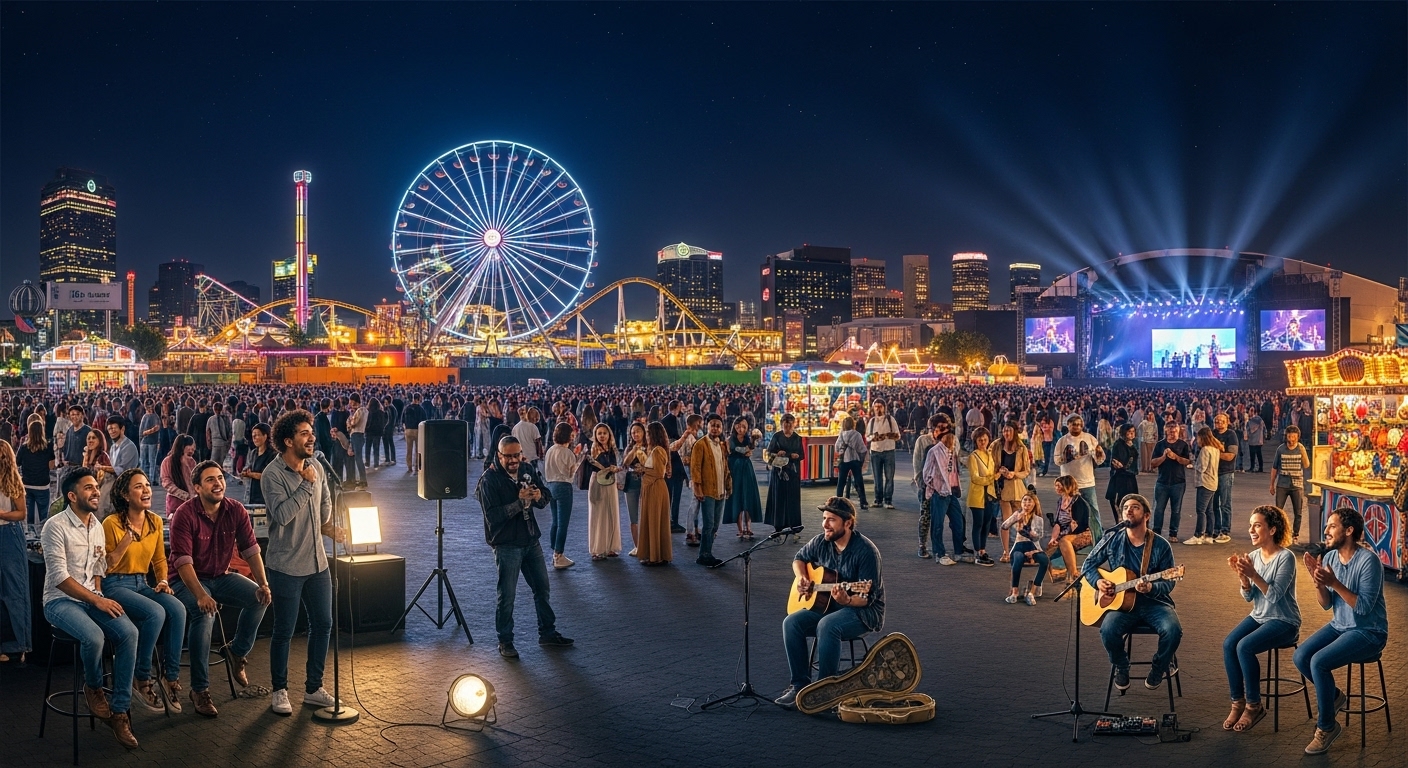
Introduction: The Ever-Present Role of Entertainment
Entertainment is a fundamental part of human existence. From the earliest stories told around fires to the immersive digital experiences of today, entertainment reflects our creativity, emotions, and cultural values. It allows us to escape reality, connect with others, and explore worlds beyond our own. As society evolves, so does entertainment, embracing new technologies, platforms, and ideas. This blog explores the evolution of entertainment, its impact on society, and the trends shaping its future.
The Ancient Roots of Entertainment
Entertainment has existed for as long as humans have communicated. Early civilizations used storytelling, music, dance, and theater to teach, inspire, and connect communities. Stories passed down through generations were more than just amusement—they preserved history, imparted morals, and strengthened social bonds.
Music and performance played equally important roles. Ritual dances, drumming, and theatrical performances not only entertained but also created a sense of shared identity. These foundational forms of entertainment highlight the timeless human desire for narrative, expression, and communal experience.
Literature: Storytelling Through Words
With the invention of writing, storytelling found a permanent home. Literature became a primary form of entertainment, offering imaginative worlds, complex characters, and profound themes. From epic poems to novels, literature allowed humans to experience adventure, emotion, and perspective from afar.
Literature also shaped culture and thought. Classic works influenced social norms, inspired revolutions, and sparked philosophical debate. Even today, books remain a source of personal and intellectual enrichment, demonstrating that written storytelling is as vital now as it was centuries ago.
The Golden Age of Theater and Performance
Theater introduced live storytelling, where performers and audiences shared the same space and experience. Classical theater in ancient Greece and Rome presented dramas that examined human nature, politics, and morality. Over time, theater evolved across cultures, giving rise to opera, ballet, and dramatic arts.
Live performances created a unique form of engagement. Audiences witnessed emotion, talent, and improvisation in real time. This direct interaction between performer and viewer fostered empathy, imagination, and shared excitement, laying the groundwork for modern live entertainment experiences.
Cinema: Bringing Stories to Life
The invention of film revolutionized entertainment by combining narrative, visuals, and music into a single immersive experience. Cinema allowed audiences to witness stories unfold in vivid detail, transporting them to distant times, locations, and perspectives.
Films quickly became a cultural phenomenon, reflecting societal values, trends, and technological progress. From silent films to digital blockbusters, cinema continues to evolve, embracing new genres, techniques, and technologies. It remains one of the most powerful forms of entertainment, capable of eliciting laughter, tears, and reflection.
Television and the Era of Home Entertainment
Television transformed entertainment by bringing stories into living rooms worldwide. It created a shared cultural experience, as families and communities tuned in to watch shows, news, and live events. Television fostered social connection, influenced public opinion, and introduced new forms of serialized storytelling.
The rise of cable and satellite networks expanded content diversity. Audiences gained access to documentaries, sports, and international programming. Television also set the stage for the modern era of on-demand streaming, paving the way for the highly personalized entertainment experiences we enjoy today.
The Digital Revolution and Streaming Platforms
Streaming services revolutionized entertainment consumption. Audiences no longer needed to adhere to broadcast schedules—they could watch movies, series, or live events anytime, anywhere. This flexibility shifted the balance of power from content providers to viewers, creating a more personalized entertainment experience.
The streaming era has also encouraged innovation. Creators experiment with storytelling formats, episode lengths, and genres. Limited series, documentaries, and interactive content are redefining how stories are told and experienced. Streaming allows for global access, enabling audiences to explore cultures, languages, and narratives beyond traditional borders.
Music: Connecting Emotion Across Cultures
Music has always been a universal form of entertainment. It expresses emotion, tells stories, and brings people together. Genres evolve constantly, reflecting cultural trends and technological advancements. Today, digital platforms allow listeners to explore vast libraries of music from around the world, discover new artists, and connect through shared playlists.
Live concerts and music festivals remain central to entertainment. These events provide immersive, communal experiences that digital formats cannot fully replicate. The emotional connection created by music, whether live or recorded, demonstrates the enduring power of sound to captivate and unite audiences.
Gaming and Interactive Experiences
Video games have emerged as a dominant form of entertainment, offering interactivity, storytelling, and social engagement. Unlike passive media, games allow players to influence outcomes, explore worlds, and experience narratives firsthand. Gaming appeals to diverse audiences, from casual mobile players to competitive esports athletes.
Esports has elevated gaming to professional levels, creating career opportunities, large audiences, and global tournaments. Interactive entertainment fosters strategic thinking, creativity, and teamwork, highlighting how modern entertainment is no longer just something to watch—it is something to participate in actively.
Social Media and Short-Form Content
Social media platforms have transformed entertainment by making it instant, shareable, and highly interactive. Short-form videos, live streaming, and viral challenges engage audiences in new ways, creating a continuous flow of entertainment content.
The accessibility of social media empowers creators to reach global audiences with minimal resources. This democratization of entertainment fosters innovation, amplifies diverse voices, and encourages communities to form around shared interests. Social media has become both a platform for discovery and a tool for cultural influence.
The Impact of Technology on Creativity
Technological advancements continue to reshape entertainment. Virtual reality and augmented reality create immersive experiences, blending digital and physical worlds. Artificial intelligence assists creators in developing content, from music and writing to visual arts and gaming.
These innovations expand the boundaries of what is possible, enabling experiences that were previously unimaginable. Technology enhances creativity rather than replacing it, offering audiences new ways to engage and interact with stories and performances.
Entertainment as a Source of Connection and Well-Being
Beyond amusement, entertainment contributes to mental and emotional well-being. Films, music, and games provide escape, relaxation, and emotional release. They can inspire, motivate, and foster empathy by exposing audiences to diverse perspectives.
Entertainment also strengthens social bonds. Watching a favorite show, attending a concert, or playing a game with others creates shared experiences that unite people. In this way, entertainment is both a personal and collective experience, enriching lives and communities.
The Future of Entertainment
The future of entertainment promises further innovation and personalization. Interactive storytelling, immersive virtual worlds, AI-assisted creation, and cross-platform experiences will continue to shape how audiences engage with content. Entertainment will increasingly blend physical and digital elements, offering multisensory and participatory experiences.
Audience preferences are evolving toward immersive, social, and personalized experiences. Creators and platforms will need to adapt to meet these expectations, embracing experimentation, diversity, and technological advancement.
Conclusion: The Ever-Evolving World of Entertainment
Entertainment is a reflection of human creativity, culture, and imagination. From ancient storytelling and theater to cinema, music, gaming, and digital experiences, it adapts to technological progress and societal change.
Modern entertainment is diverse, interactive, and accessible, offering something for everyone. It connects people, inspires creativity, and provides joy in an ever-changing world. As technology advances and audiences continue to seek new experiences, entertainment will remain a vital part of human life, evolving in ways that reflect our shared dreams, stories, and creativity.
Entertainment is not just a pastime—it is an essential expression of what it means to be human, a window into our collective imagination, and a bridge between individuals, communities, and cultures.