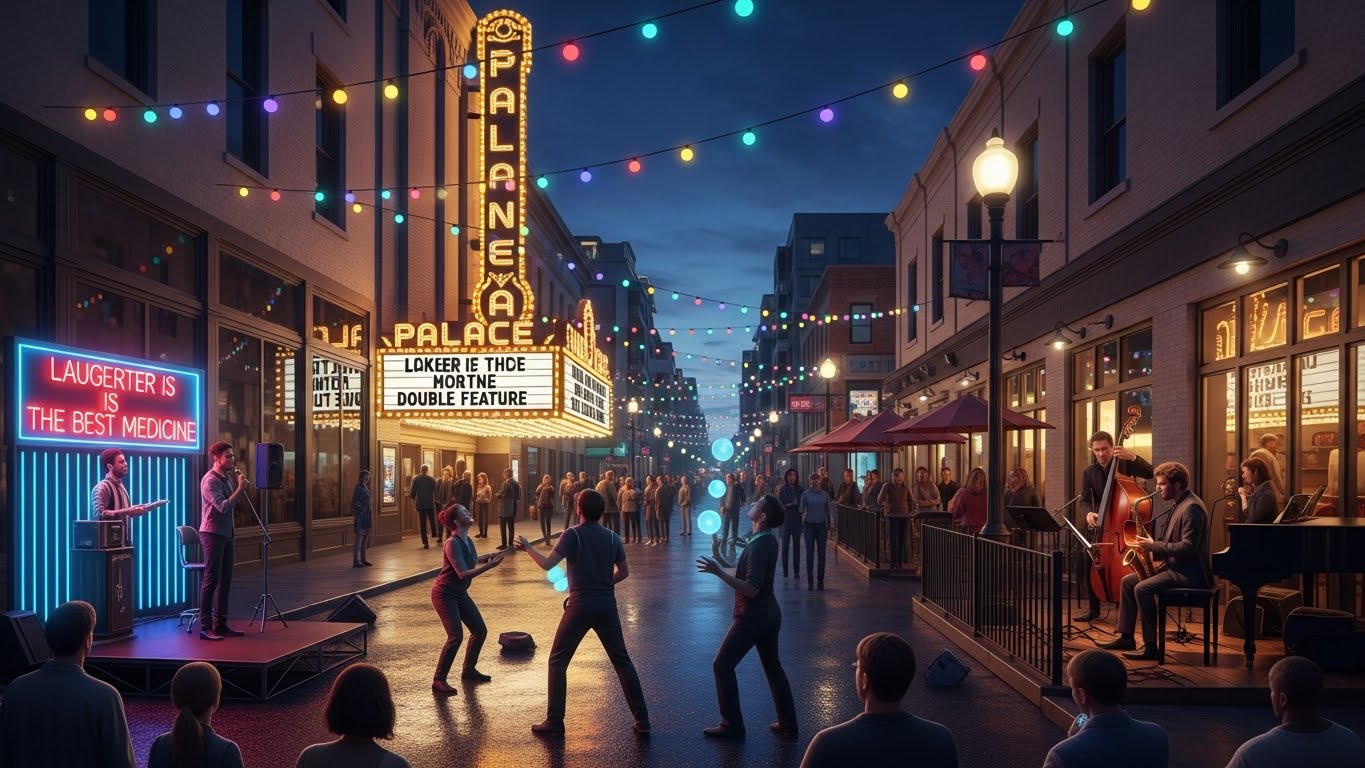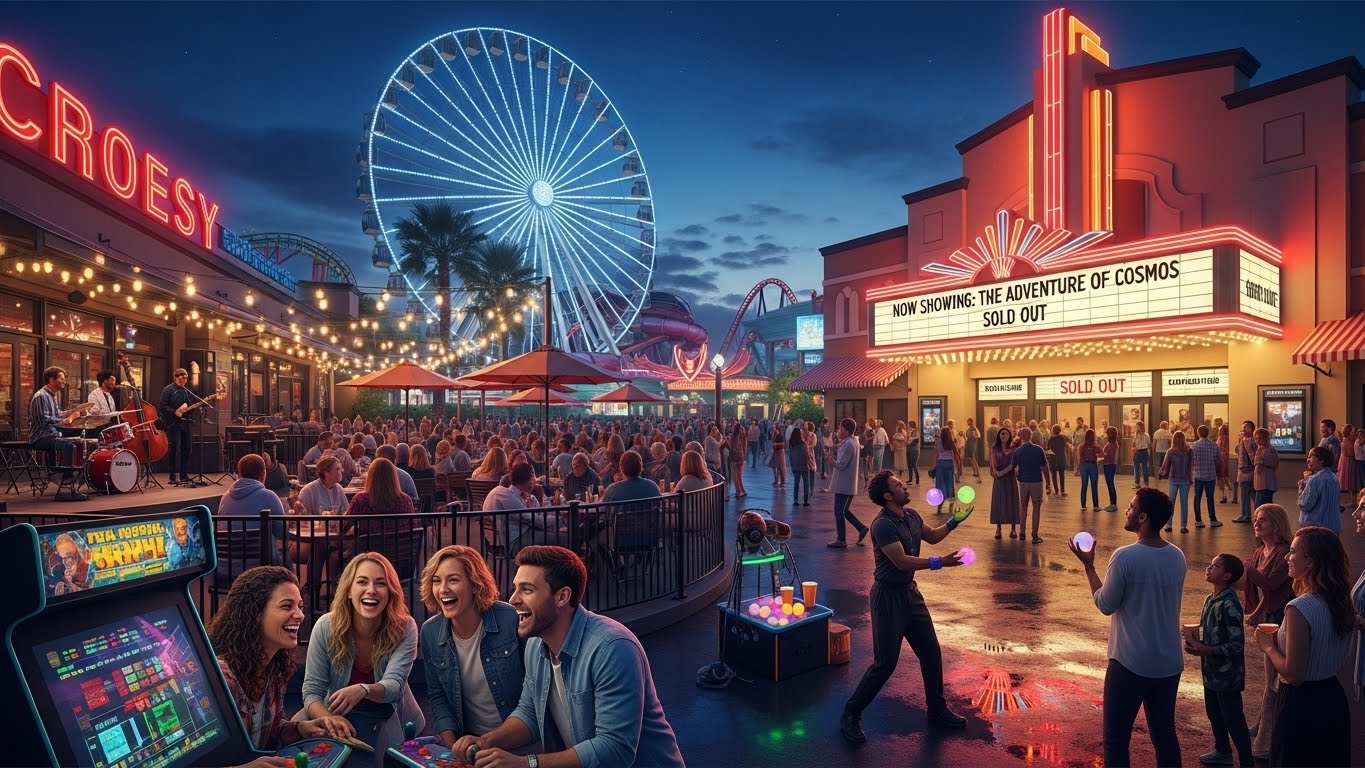

Entertainment is one of the cornerstones of human civilization. From the earliest cave paintings to the dazzling technological marvels of today, the ways in which we seek enjoyment, excitement, and relaxation have changed dramatically over time. What was once a gathering around a fire to hear stories has transformed into an expansive global network of films, video games, social media, live performances, and more. The world of entertainment continues to evolve, influenced by technological advancements, cultural shifts, and societal changes. In this blog post, we will explore the multifaceted world of entertainment, delving into its history, present-day evolution, and what the future holds for the industry and its audience.
The Origins of Entertainment: A Glimpse into the Past
Long before the advent of television, movies, or video games, entertainment took its earliest forms in oral traditions, live performances, and physical activities. Early humans gathered around campfires to share stories, tell myths, sing songs, and perform dances. These communal activities were not only a form of recreation but also a way to pass down cultural knowledge, preserve history, and forge social bonds.
Ancient civilizations, from the Greeks to the Egyptians, placed great value on public performances. The Greeks gave birth to theater as we know it, with playwrights such as Sophocles and Euripides writing tragedies and comedies that were performed in grand open-air amphitheaters. Similarly, the Egyptians staged elaborate performances to honor their gods, and the Chinese developed their own unique forms of live theater, including opera and puppet shows.
In the Middle Ages, entertainment in Europe largely revolved around religious plays, courtly dances, and festivals. The Renaissance era ushered in a period of flourishing art and culture, with the likes of Shakespeare, Michelangelo, and Leonardo da Vinci making lasting contributions to theater, music, and visual art.
The Birth of Mass Entertainment: The Rise of Film, Radio, and Television
The 20th century marked a dramatic shift in the entertainment landscape. With the industrial revolution, technological innovations began to shape new forms of entertainment. The most notable of these innovations was the invention of film. In the early 1900s, cinema began to emerge as an art form and mass medium. Silent films captivated audiences with their visual storytelling, and stars like Charlie Chaplin became household names.
The introduction of sound in film during the late 1920s, epitomized by movies like The Jazz Singer (1927), marked a new era in cinematic history. The golden age of Hollywood began in the 1930s, with large film studios producing lavish productions featuring iconic stars such as Humphrey Bogart, Marilyn Monroe, and James Dean. Movies became a cultural phenomenon, offering an escape from everyday life and becoming an essential part of social life.
Alongside film, radio emerged as a dominant medium for entertainment. In the 1920s and 1930s, radio became a household staple, providing not only news and information but also drama, comedy shows, and musical performances. Iconic programs like The Shadow and The Lone Ranger entertained millions of people during the golden age of radio, creating an entirely new form of communal listening experience.
By the 1950s, television began to take over as the primary entertainment source. The small screen brought news, sitcoms, dramas, and game shows into living rooms across the world. Shows like I Love Lucy, The Twilight Zone, and The Ed Sullivan Show became cultural touchstones, influencing fashion, language, and societal norms. Television revolutionized the way people consumed entertainment, creating a shared cultural experience that transcended geographic boundaries.
The Digital Revolution: The Internet and the Globalization of Entertainment
In the 1990s and early 2000s, the rise of the internet marked another seismic shift in the entertainment industry. With the explosion of online platforms, consumers gained access to a broader range of entertainment options than ever before. Streaming services like YouTube, which launched in 2005, and Netflix, which pivoted from DVD rentals to streaming in the late 2000s, gave people instant access to a seemingly endless library of content, from music videos and vlogs to full-length movies and TV shows.
The internet also introduced the concept of on-demand entertainment. No longer were people bound by TV schedules or movie theater times. With a few clicks, anyone could watch their favorite show or discover new films at any time of day. The era of binge-watching began, and with it, a new approach to storytelling. Shows like Breaking Bad and Stranger Things became cultural phenomena in part because they were designed to be consumed in large chunks, inviting viewers to become fully immersed in intricate narratives over multiple episodes or seasons.
The internet also gave rise to new forms of interactive entertainment. Video games, once a niche hobby, exploded in popularity thanks to advancements in technology, including better graphics, online multiplayer capabilities, and immersive storytelling. The rise of mobile gaming with smartphones further democratized entertainment, making it accessible to anyone with a mobile device. Mobile games like Angry Birds, Candy Crush, and Pokémon GO transformed the way people played, offering short, casual gaming experiences that could be enjoyed at any time.
Social media platforms like Instagram, Twitter, and TikTok have also redefined how we experience entertainment, with users generating their own content and sharing it with global audiences. These platforms have democratized the ability to create and share, enabling influencers, musicians, and artists to reach millions of people directly without the need for traditional gatekeepers like record labels or film studios.
The Evolution of Live Entertainment: From Concerts to Interactive Experiences
Despite the proliferation of digital entertainment, live performances remain a vital part of the entertainment ecosystem. Music concerts, theater performances, comedy shows, and sports events continue to draw large audiences, offering unique experiences that cannot be replicated through screens.
Music, in particular, has seen a significant evolution in its live form. Major concerts, from intimate venues to massive stadium performances, provide fans with an immersive experience. Artists like Beyoncé, Taylor Swift, and Ed Sheeran have redefined the live music experience, blending cutting-edge technology, elaborate stage designs, and stunning visuals with their performances. Festivals like Coachella and Glastonbury have become global phenomena, attracting millions of attendees every year.
Live theater continues to thrive as well, with Broadway in New York City and the West End in London serving as epicenters of world-class productions. Broadway shows like Hamilton, The Lion King, and Wicked have attracted audiences from around the world, proving that live theater still holds a powerful appeal. In fact, the rise of live-streaming Broadway performances during the COVID-19 pandemic showcased how traditional live entertainment can adapt to new technologies, offering a taste of the theater experience to those who couldn’t attend in person.
Video games have also embraced live, interactive elements, with events like E3 (Electronic Entertainment Expo) and BlizzCon bringing fans together to experience gaming news and live demos. Online gaming platforms like Twitch have turned gaming into a spectator sport, with gamers live-streaming their playthroughs, interacting with fans, and engaging in real-time competitions.
The Future of Entertainment: Virtual Reality, AI, and New Horizons
As technology continues to advance, the future of entertainment looks more immersive and interactive than ever before. Virtual reality (VR) is one of the most exciting innovations in entertainment today. VR technology allows users to fully immerse themselves in digital environments, whether they’re exploring fantastical worlds in a video game, attending virtual concerts, or experiencing interactive storytelling.
Platforms like Oculus and HTC Vive have already brought VR gaming to the mainstream, with games like Beat Saber and Half-Life: Alyx pushing the boundaries of what’s possible. But VR’s potential goes beyond gaming. Virtual concerts, theater performances, and interactive films are on the horizon, offering new ways for audiences to engage with content. In VR, viewers are no longer passive consumers—they can become active participants, shaping the story or experience around them.
Another significant development in entertainment is the use of artificial intelligence (AI) in content creation. AI algorithms are already being used to generate music, assist in screenwriting, and even create deepfake videos. In the future, AI could play an even greater role in creating personalized entertainment experiences. Imagine a movie that adapts its plot based on your preferences or an AI-driven game that evolves its narrative in real-time as you make choices.
The rise of augmented reality (AR) is also worth noting. AR overlays digital elements onto the real world, creating interactive experiences that blend the physical and digital realms. Games like Pokémon GO showcased the potential of AR, but this technology could extend far beyond gaming, allowing users to experience interactive art, education, and entertainment in ways previously unimaginable.
Conclusion: Entertainment for the Modern Age
The entertainment industry has come a long way from its humble beginnings, and it continues to evolve at an astonishing pace. With the advent of digital platforms, the rise of immersive technologies, and the growing influence of social media, the ways we consume, create, and share entertainment have become more diverse, dynamic, and accessible.
In the coming years, we can expect even more dramatic changes in how we engage with entertainment. The lines between virtual and physical worlds will continue to blur, and interactive, personalized experiences will become the norm. Whether it’s through VR, AI, or AR, the entertainment of the future promises to be more immersive, interactive, and interconnected than ever before. As we move forward, one thing is clear: entertainment will continue to evolve, but its role as a source of joy, connection, and cultural expression will always remain central to the human experience.