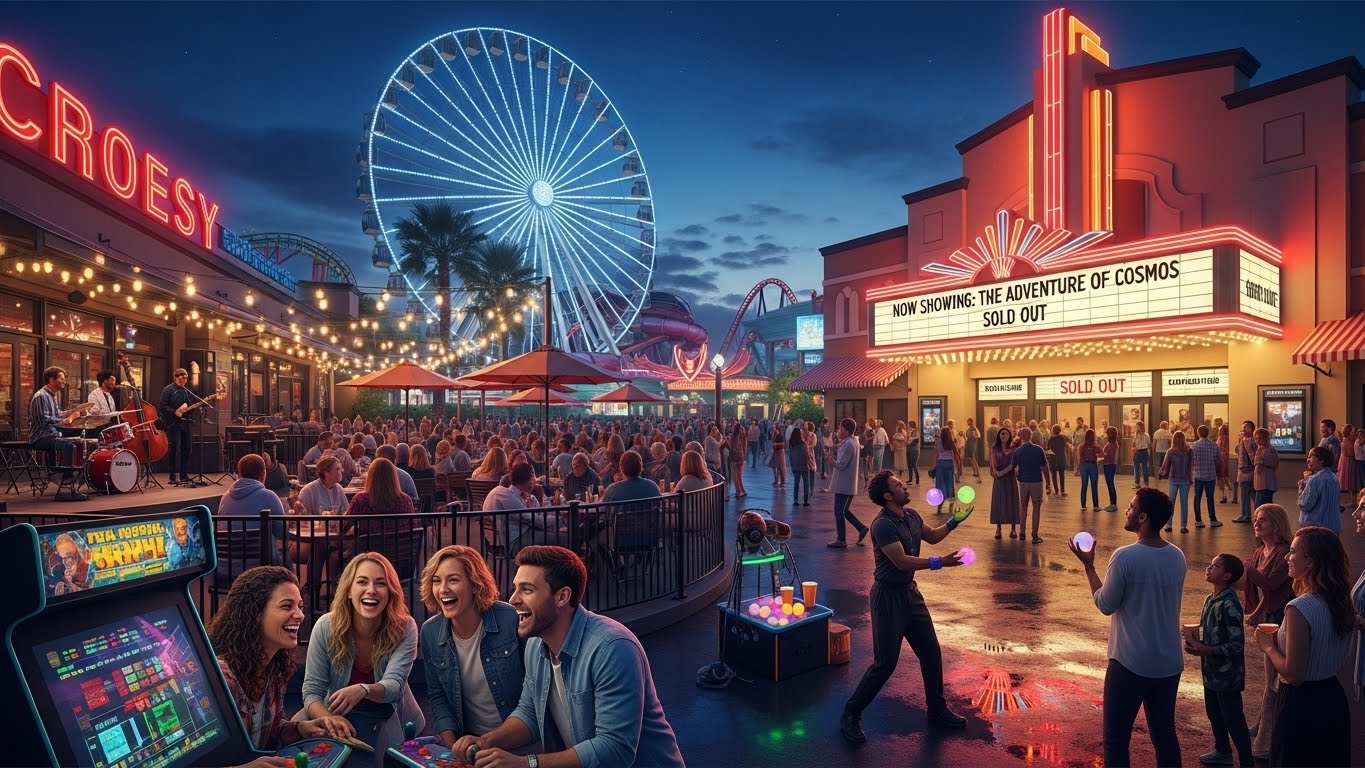
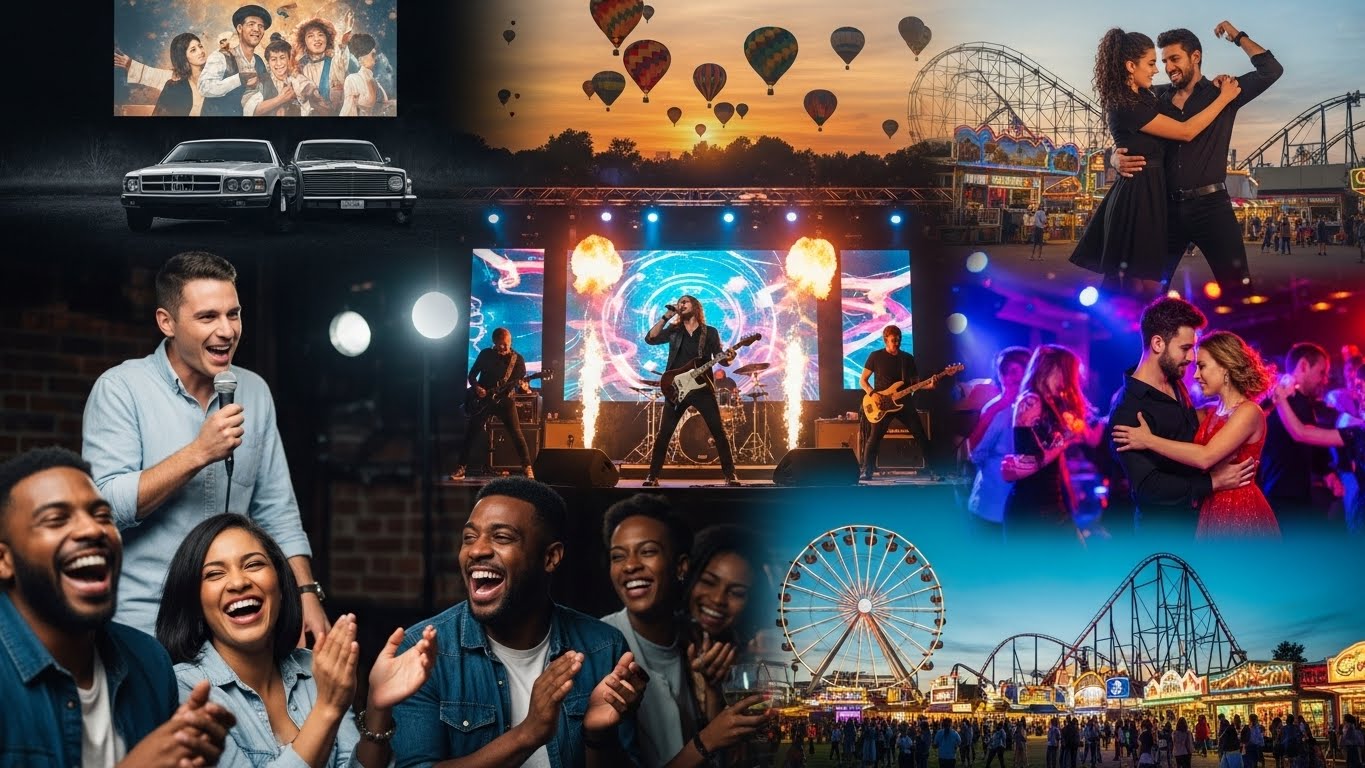
Entertainment has always been an essential part of human civilization. It is more than a pastime; it is a reflection of culture, a source of emotion, and a way to connect with others. From ancient oral traditions to the latest digital platforms, entertainment continues to evolve, adapting to new technologies and changing societal tastes. It entertains, educates, inspires, and even challenges us to see the world differently. In this blog, we explore the journey of entertainment, its impact on society, and how modern innovations continue to reshape the ways we experience stories, music, games, and more.
The Origins of Entertainment
Entertainment began with storytelling, music, and performance. Before the advent of written language, humans relied on oral storytelling to communicate history, traditions, and moral lessons. Communities would gather around fires to hear tales of heroes, myths, and cultural legends. These performances were more than amusement—they taught values, preserved traditions, and fostered a sense of belonging.
Music and dance accompanied many of these stories, creating a multi-sensory experience that engaged listeners and reinforced the cultural message. Over time, entertainment evolved from simple storytelling to structured performances. Ancient civilizations such as the Greeks and Romans developed theater as a formal art form, presenting plays that explored human emotions, societal dilemmas, and philosophical ideas. Entertainment in its early forms was deeply connected to culture, education, and community.
Cinema: The Revolution of Visual Storytelling
The invention of motion pictures in the late 19th century transformed entertainment forever. Silent films captivated audiences with visual narratives, while the introduction of sound and color brought stories to life in ways never seen before. Cinema combined acting, dialogue, music, and visual effects, creating immersive experiences that transported audiences to entirely new worlds.
Modern cinema continues to push boundaries with technological innovations. Advanced visual effects, animation, and high-definition cinematography allow filmmakers to craft rich, compelling stories. Beyond entertainment, films serve as a mirror of society, reflecting cultural norms, historical events, and human emotions. Movies allow audiences to explore new perspectives, empathize with characters, and experience emotions in a shared, collective way.
Television and the Era of Collective Viewing
Television brought entertainment into homes on a scale never seen before. Families could gather to watch news, dramas, variety shows, and live events. Television became a shared cultural experience, shaping social conversations and influencing public opinion. Iconic TV shows created communities of fans who discussed plots, characters, and cliffhangers, making entertainment a collective activity.
Cable and satellite TV expanded choices, offering content for every interest—from cooking shows to science programs. Television also became a platform for social commentary and education. Documentaries, historical dramas, and cultural programs allowed audiences to learn while being entertained. Television created a sense of intimacy and routine, connecting people with stories, ideas, and each other on a daily basis.
The Digital Age and Streaming Platforms
The rise of the internet and streaming services has completely transformed how people consume entertainment. On-demand access allows viewers to watch movies, series, documentaries, and live events whenever they choose. This flexibility has shifted viewing habits, with binge-watching becoming a popular cultural phenomenon.
Streaming platforms have also reshaped storytelling. Series are now designed with long-form narratives that encourage deeper audience investment. Creators have more freedom to experiment with genres, characters, and formats. Furthermore, streaming democratizes entertainment by giving independent filmmakers, international creators, and emerging artists a global platform. This has led to a surge of diverse and innovative content that would not have been possible in traditional broadcasting models.
Music: The Universal Language
Music has been a central form of entertainment throughout human history. It transcends language and culture, evoking emotions, creating memories, and uniting people. Music has accompanied rituals, celebrations, and storytelling for thousands of years. In the digital era, the way we create, share, and experience music has been revolutionized.
Streaming services and digital platforms provide instant access to millions of songs worldwide. Emerging artists can gain recognition without traditional record label backing. Social media and viral trends often propel songs to global fame in a matter of days. Despite technological changes, the essence of music remains the same—it moves people emotionally, inspires creativity, and fosters community. From a heartfelt ballad to a high-energy anthem, music continues to shape emotions and experiences in profound ways.
Gaming: Entertainment Meets Interactivity
Video games have become a major pillar of modern entertainment. From simple pixelated games to fully immersive worlds, gaming has evolved dramatically. Today’s games feature realistic graphics, complex storylines, and interactive gameplay that engages players on multiple levels.
Gaming also offers social interaction. Multiplayer and online games connect people across the globe, encouraging teamwork, competition, and community. Esports has become a major industry, with tournaments drawing large audiences and professional players gaining celebrity status. Beyond entertainment, games enhance cognitive skills, improve problem-solving abilities, and encourage creativity. Virtual reality and augmented reality are further pushing the boundaries, allowing players to experience fully interactive environments and live within a story in ways never possible before.
Social Media and the Democratization of Entertainment
Social media has transformed entertainment from a passive experience into an interactive, participatory culture. Audiences are no longer just consumers—they create, share, and engage with content. Viral videos, online challenges, and influencer content spread rapidly, reaching global audiences in a matter of hours.
This democratization of entertainment gives ordinary people the power to become creators. Short videos, live streams, and user-generated content have created a new wave of digital stars who shape trends and influence popular culture. Social media also allows fans to interact directly with creators, fostering connection and engagement on a personal level. Entertainment has become a collaborative experience, where creators and audiences influence each other continuously.
The Psychology of Entertainment
Entertainment serves a fundamental psychological purpose. Humans are naturally drawn to stories because they help us make sense of the world, explore emotions, and understand other perspectives. Engaging with entertainment reduces stress, provides escape, and stimulates imagination.
Different forms of entertainment activate different parts of the brain. Movies and TV shows engage empathy and critical thinking, music influences mood and memory, and games enhance strategic thinking and problem-solving. Emotional engagement with stories creates a lasting impact, making entertainment a vital part of human experience. The desire to connect, empathize, and be inspired is what keeps people returning to stories, music, and interactive media across generations.
The Globalization of Entertainment
Modern entertainment has become increasingly global. Audiences can now access films, music, games, and shows from around the world, broadening cultural understanding and appreciation. International productions are gaining recognition, creating a cross-cultural exchange that enriches global storytelling.
Globalization also diversifies the types of stories told. Audiences expect content that reflects various lifestyles, traditions, and perspectives. This exposure to different cultures encourages creativity, collaboration, and innovation. Entertainment has evolved into a platform that not only entertains but also educates and bridges cultural gaps, creating shared experiences for a worldwide audience.
The Future of Entertainment
The future promises new levels of immersion, personalization, and interactivity. Virtual reality, augmented reality, and artificial intelligence are transforming the way we experience stories. AI-driven content can adapt to individual preferences, creating personalized narratives. Virtual reality allows audiences to step into stories and interact with characters in real time.
Despite technological advancements, the essence of entertainment remains unchanged. It is about storytelling, emotion, and human connection. The mediums may evolve, but the purpose of entertainment—to inspire, engage, and connect—will remain the same.
Conclusion: Entertainment as a Reflection of Humanity
Entertainment is far more than leisure; it is a reflection of who we are as humans. From ancient storytelling and music to cinema, gaming, and digital platforms, it captures emotions, values, and experiences. Entertainment connects people across time, cultures, and geography, allowing us to share imagination, creativity, and joy.
As technology continues to advance, entertainment will evolve, offering deeper immersion and new ways to engage. Yet its fundamental purpose will remain the same—to tell stories, evoke emotions, and bring people together. Entertainment is a celebration of creativity, a mirror of human culture, and a reminder of our shared humanity.