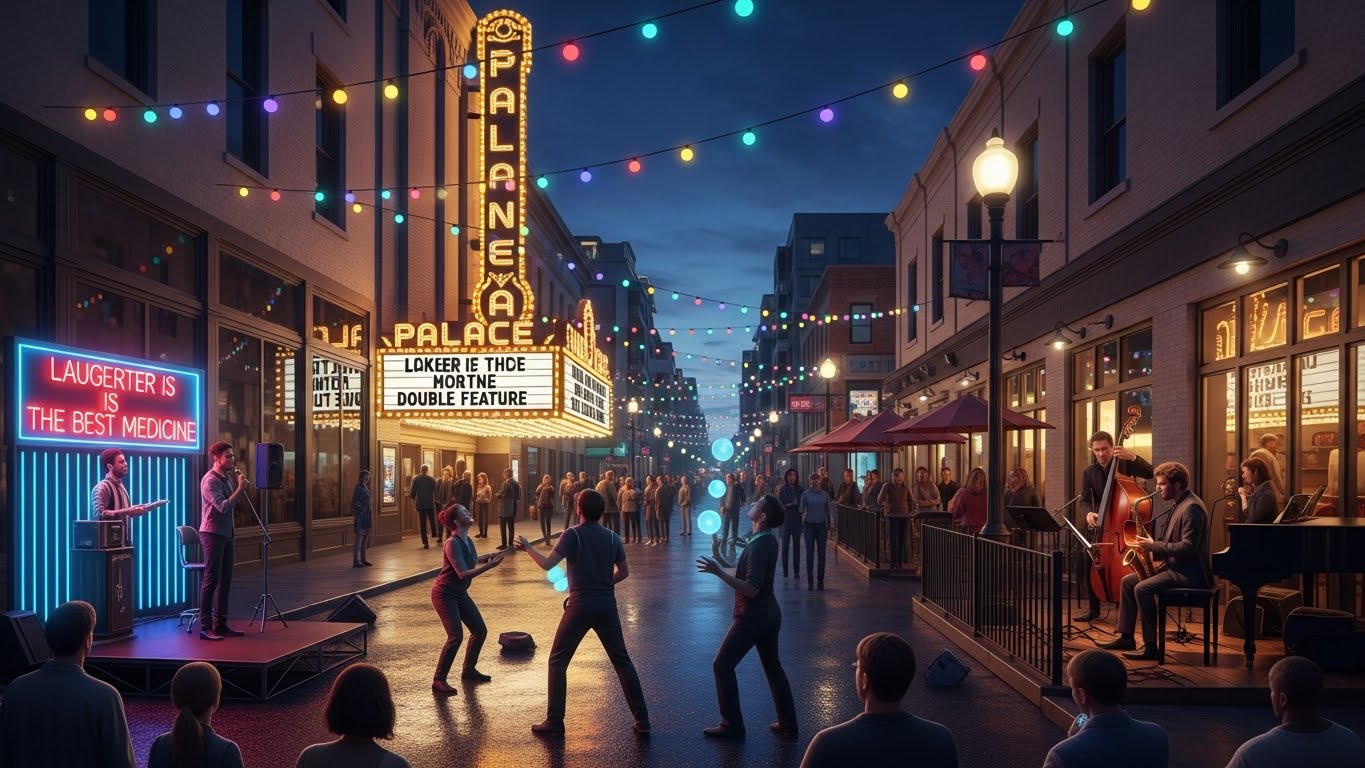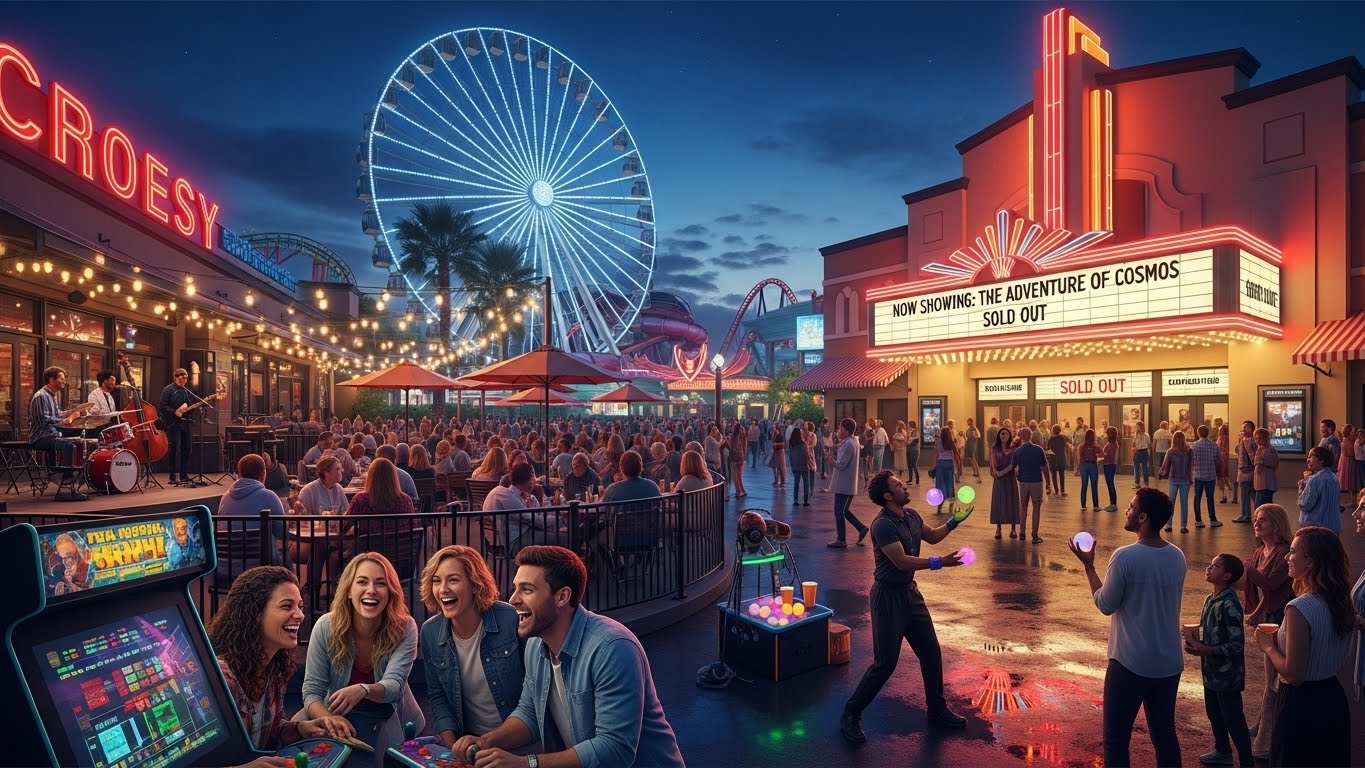
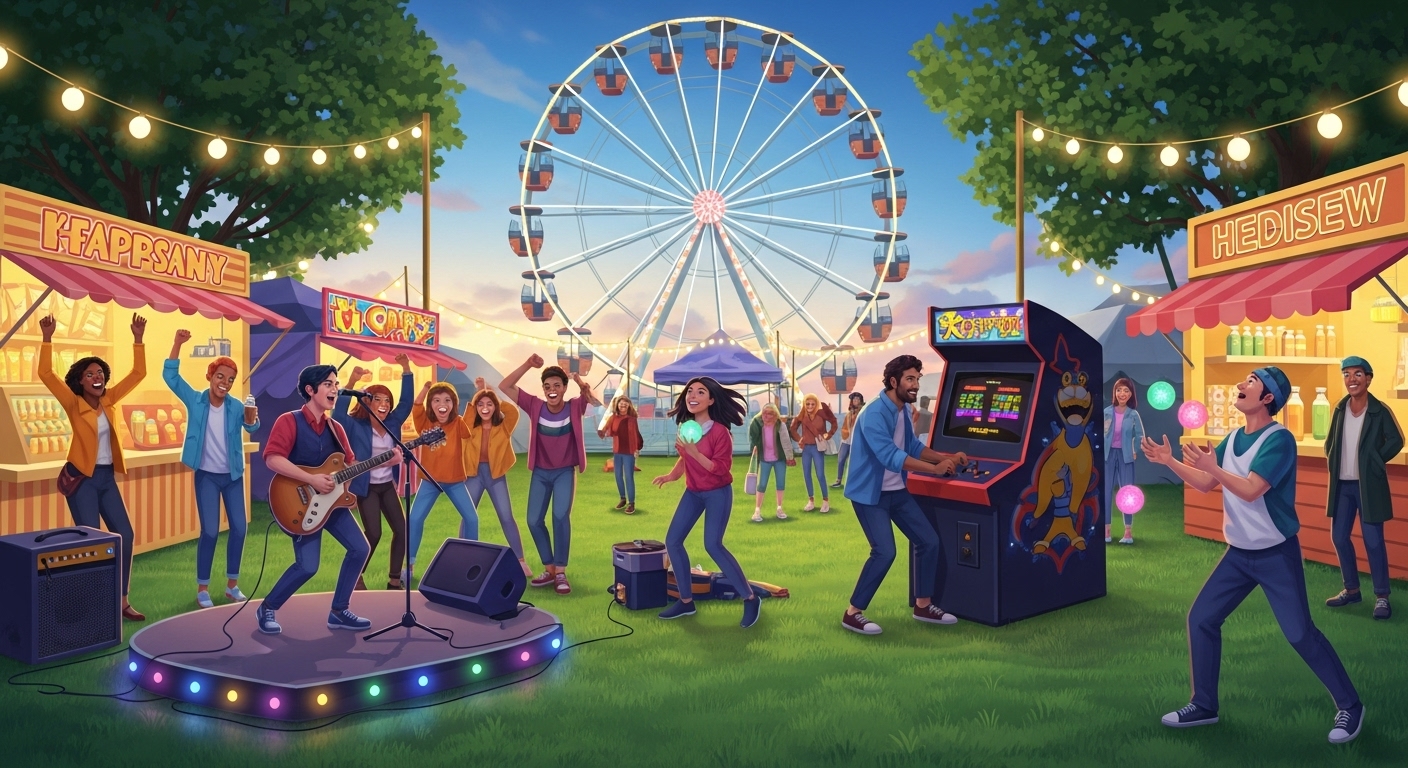
Entertainment is more than just a pastime; it is an essential part of human existence. It allows us to escape reality, connect with others, and explore our imagination. Throughout history, entertainment has evolved alongside humanity, reflecting cultural values, technological advancements, and societal changes. From storytelling by the fire to immersive digital experiences, entertainment has always been a mirror of our emotions, creativity, and curiosity. In this blog, we will explore the history of entertainment, modern trends, cultural influence, and the future of how we engage with fun and creativity.
The Origins of Entertainment
Entertainment has been a part of human culture since the earliest civilizations. In prehistoric times, humans entertained themselves through music, dance, and storytelling. These activities served multiple purposes: they were a source of amusement, a way to pass down knowledge, and a method of building social cohesion. As societies developed, so did forms of entertainment. Ancient civilizations, such as the Greeks and Romans, built theaters for plays and organized large-scale games to bring communities together.
During the Middle Ages, entertainment took the form of traveling performers, festivals, and tournaments. Stories and folklore were passed down orally, keeping communities connected and providing a shared cultural experience. Even in those times, entertainment was not just a leisure activity—it was a means of communication, education, and reflection of societal values.
The Rise of Mass Entertainment
The Industrial Revolution brought significant changes to the entertainment industry. Urbanization and technological innovation created opportunities for mass entertainment. The invention of photography and motion pictures allowed stories to reach larger audiences than ever before. Silent films captured the imagination of viewers, while the introduction of sound in cinema created a new era of storytelling.
Radio became a central form of entertainment in the early 20th century. Families gathered around their radios to listen to news, dramas, and musical programs. This medium created a shared experience across vast distances and played a major role in shaping public opinion and cultural trends. Television followed, transforming the way people consumed entertainment. Scheduled programs brought the world into people’s living rooms, and TV shows became cultural phenomena that defined generations.
The Digital Entertainment Revolution
The advent of the internet has revolutionized entertainment. Online streaming services, social media platforms, and mobile gaming have changed how we access and consume content. The traditional model of waiting for a scheduled broadcast is replaced by on-demand experiences where viewers can watch movies, shows, or videos anytime and anywhere.
Music streaming services allow audiences to explore global music with a click. Gamers can connect in real-time across continents, engaging in immersive worlds and competitive experiences. Social media enables ordinary people to become content creators, influencers, and entertainers. The digital revolution has democratized entertainment, making it more personalized, interactive, and accessible than ever before.
The Art of Storytelling
At the heart of all entertainment lies storytelling. Humans are naturally drawn to narratives that evoke emotion, stimulate imagination, and reflect life experiences. Modern films, TV shows, and video games continue this tradition while exploring complex themes such as identity, morality, and social justice.
Storytelling today is more inclusive and diverse than ever. Independent creators, digital platforms, and international collaborations are producing content that reaches audiences globally. The power of a well-told story lies in its ability to connect people across cultures, inspire empathy, and provide insights into the human experience. Entertainment is not just about amusement; it is a tool for reflection and understanding.
Music: Connecting Hearts Across the World
Music has always been a universal form of entertainment. From tribal drums to orchestras and modern pop hits, music connects people emotionally and culturally. The evolution of music technology—from vinyl records to digital streaming—has transformed how we experience sound. Today, anyone can access millions of songs from around the world instantly.
Music videos, live-streamed concerts, and interactive platforms allow artists to engage directly with fans. Genres blend and evolve, creating unique sounds and cross-cultural collaborations. Music remains one of the most influential forms of entertainment because it evokes emotion, inspires creativity, and brings communities together.
Gaming: Immersive Worlds and Interactive Fun
Video games have grown into a powerful form of entertainment, combining storytelling, artistry, and technology. What started as simple arcade games has evolved into complex interactive worlds that captivate millions. Gaming is now a global phenomenon with professional competitions, virtual communities, and massive online engagement.
Virtual reality and augmented reality are pushing the boundaries of what games can offer. Players can now experience adventures that feel real, participate in social experiences, and interact with the digital environment in unprecedented ways. Gaming has transformed entertainment into an interactive, participatory experience, making it one of the most dynamic and innovative industries today.
Social Media: Entertainment in the Palm of Your Hand
Social media has changed how people create, share, and experience entertainment. Platforms that allow short videos, live streaming, and interactive content have made entertainment immediate and participatory. Influencers, musicians, and comedians now reach audiences globally, shaping culture in real time.
Social media has also shifted the relationship between creators and audiences. Fans can engage directly with their favorite personalities, providing feedback, support, and even co-creating content. This participatory culture has made entertainment more dynamic, inclusive, and interactive, transforming how stories are told and experienced.
Cultural Impact of Entertainment
Entertainment is not only about amusement; it is a reflection of society. Movies, music, and digital content influence cultural norms, shape public opinion, and inspire social change. Throughout history, entertainment has addressed important issues such as equality, justice, and environmental awareness.
Popular entertainment often mirrors the aspirations and struggles of society. It has the power to challenge stereotypes, highlight injustices, and bring attention to overlooked communities. In this sense, entertainment serves as both a mirror and a catalyst for social transformation, blending enjoyment with education and empathy.
The Business Side of Entertainment
Entertainment is also a global industry that contributes significantly to the economy. Film studios, music labels, gaming companies, and streaming services generate billions of dollars annually. Behind every show, game, or concert is a network of creators, technicians, marketers, and managers working together to deliver experiences that capture audiences’ attention.
The industry is increasingly shaped by digital innovation. Subscription services, influencer collaborations, and online monetization have created new revenue streams. Independent creators now have opportunities to reach audiences directly, without traditional gatekeepers. This combination of creativity and commerce drives the continuous evolution of entertainment.
Technology and the Future of Entertainment
Emerging technologies are redefining how we engage with entertainment. Artificial intelligence can generate music, assist in writing scripts, and even create virtual characters. Virtual reality immerses audiences in interactive experiences that were once the stuff of imagination. Blockchain and other innovations offer new ways to protect and monetize creative content.
Personalization is becoming central to entertainment experiences. Algorithms recommend music, movies, and games based on individual preferences, creating tailored experiences that feel unique. While technology enhances entertainment, it also raises questions about privacy, ethics, and the balance between human creativity and machine-generated content.
Challenges Facing the Entertainment Industry
Despite its growth and influence, the entertainment industry faces challenges. Over-saturation of content, piracy, and the pressures of digital engagement can strain both creators and audiences. Mental health has become an important concern as the demand for continuous content creation grows.
Creators must navigate competition, audience expectations, and the ethical implications of their work. For entertainment to remain sustainable, the industry needs to prioritize well-being, authenticity, and creativity. Supporting artists and respecting cultural diversity are essential for fostering a vibrant and responsible entertainment ecosystem.
The Future of Fun and Creativity
The future of entertainment promises immersive, inclusive, and intelligent experiences. Audiences will no longer be passive consumers; they will actively participate in the creation and shaping of content. Interactive performances, virtual concerts, and AI-driven storytelling are just the beginning of a new era.
Inclusivity will continue to define the next phase of entertainment. Stories that celebrate diverse voices, cultures, and experiences will dominate, offering richer and more meaningful engagement. The blending of human creativity with technology will expand the possibilities of fun, connection, and artistic expression.
Conclusion: Entertainment as a Reflection of Humanity
Entertainment is a fundamental part of human life. It has evolved from simple stories told by firelight to complex digital experiences that span the globe. At its core, entertainment reflects who we are, our values, our fears, our dreams, and our desire for connection.
As technology continues to advance, entertainment will grow more immersive, personalized, and inclusive. Yet the essence of joy, storytelling, and human connection will remain constant. Entertainment is not just about passing time—it is about celebrating creativity, forging relationships, and exploring the endless possibilities of imagination. It will continue to inspire, delight, and unite us for generations to come.