
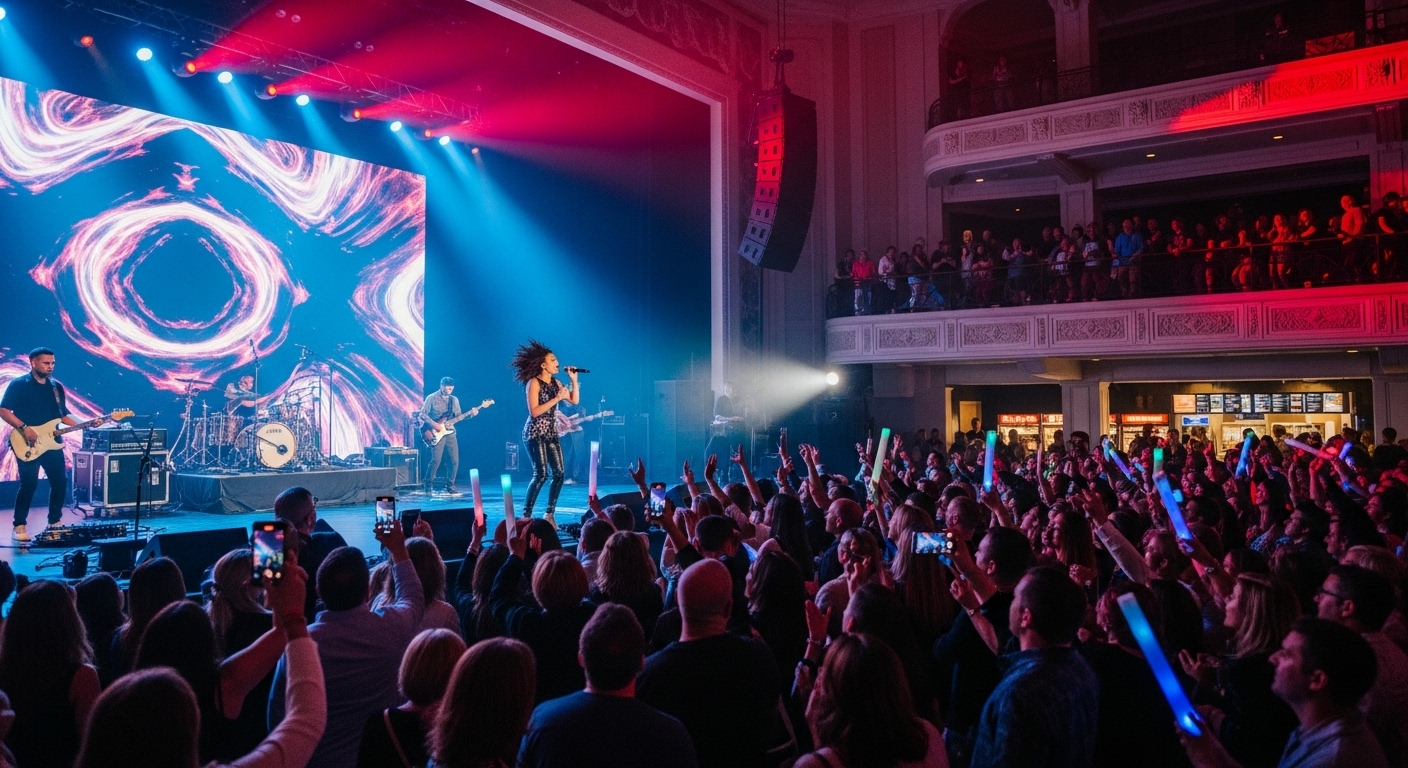
Introduction: The Soul of Human Expression
Entertainment is not just a way to pass time—it is the heartbeat of human emotion, creativity, and culture. From laughter to tears, it gives life a rhythm that connects hearts and minds. Every song, film, or show tells a story, carrying emotions that transcend language and geography. In every form, entertainment reflects who we are and what we dream to be.
The Roots of Entertainment
The story of entertainment began long before screens and spotlights. Ancient civilizations used music, dance, and storytelling to share traditions, celebrate victories, and express emotions. Theater in ancient Greece, folk dances in villages, and traditional music across cultures laid the foundation of the entertainment industry we know today. These art forms were not just for fun—they were mirrors of life, reflecting the hopes and struggles of people.
The Modern World of Entertainment
Today, entertainment has reached unimaginable heights. Movies, television shows, video games, and online content dominate our free time. Streaming services allow us to explore endless options from around the world. Social media has turned everyone into a potential creator, blurring the line between audience and artist. With the power of technology, entertainment has become a daily companion—always within reach, always evolving.
The Power of Technology in Entertainment
Technology has changed how we experience fun and creativity. Advanced cameras, computer-generated imagery, and virtual production have transformed visual storytelling. Video games now create immersive worlds where players become heroes of their own stories. Artificial intelligence recommends what we might love to watch or listen to next, making entertainment more personal than ever before. The digital age has opened doors for creativity to flourish globally.
The Emotional Impact of Entertainment
Entertainment touches emotions in ways that nothing else can. A single song can bring back forgotten memories, and a movie can change our perspective on life. Comedy helps us heal through laughter, while dramas allow us to feel deeply. Entertainment acts as therapy, comfort, and inspiration—it connects us to our emotions and to each other.
Cultural and Social Influence
Entertainment has the power to shape culture and inspire change. Films and television often highlight important issues, sparking conversations that lead to awareness. Music brings communities together, and art challenges societal norms. Through creativity, entertainment helps us understand diversity and respect different perspectives. It teaches empathy and unites people beyond barriers.
The Future of Entertainment
The future of entertainment is filled with endless possibilities. Virtual reality, augmented reality, and artificial intelligence are creating new ways to tell stories and engage audiences. Soon, we may not only watch movies but step into them. The combination of creativity and technology will make entertainment more interactive, immersive, and meaningful. The audience will become part of the experience itself.
Conclusion: A World Connected by Joy
Entertainment will always be an inseparable part of life. It gives us hope when we are down, laughter when we are tired, and imagination when we feel stuck. From the ancient stage to modern screens, its purpose remains the same—to connect, inspire, and bring joy. In a world full of change, entertainment continues to remind us of one simple truth: happiness is best when shared.