Introduction: The Universal Appeal of Entertainment
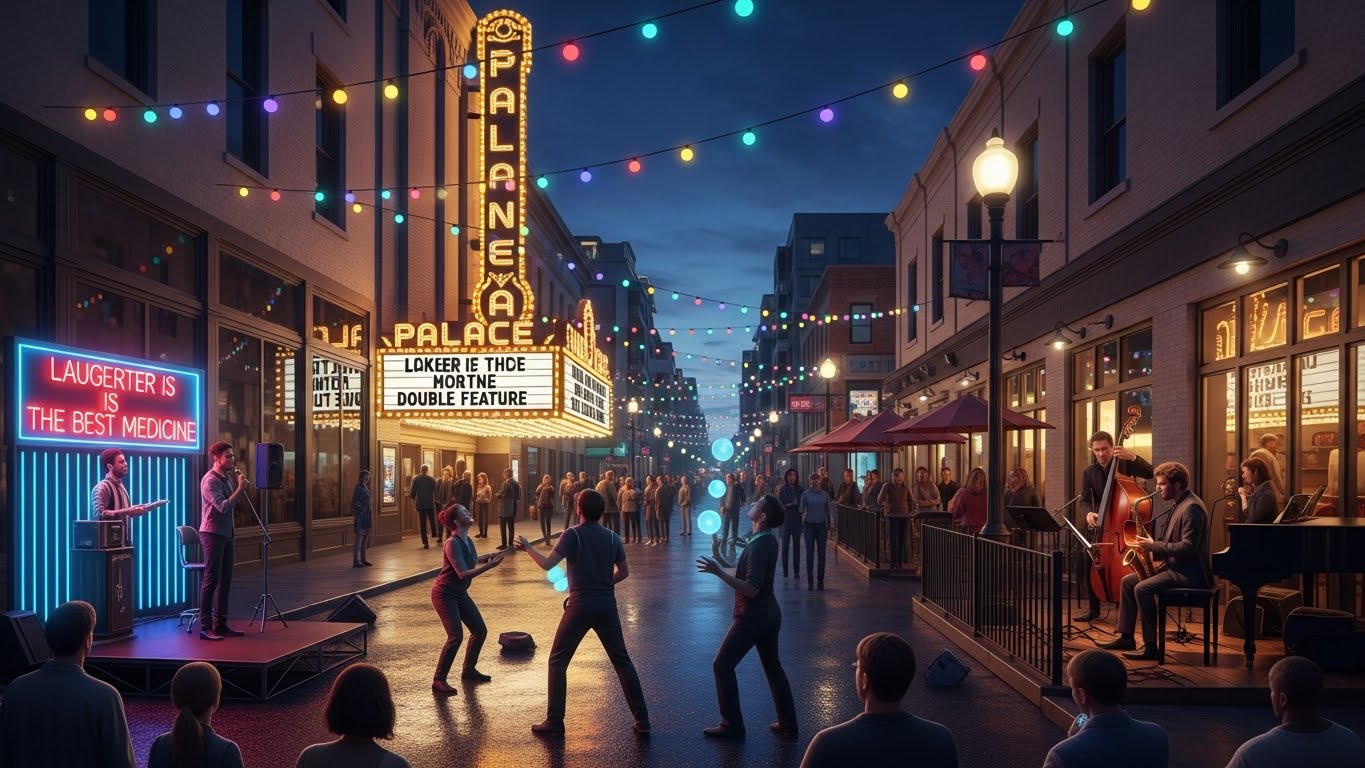
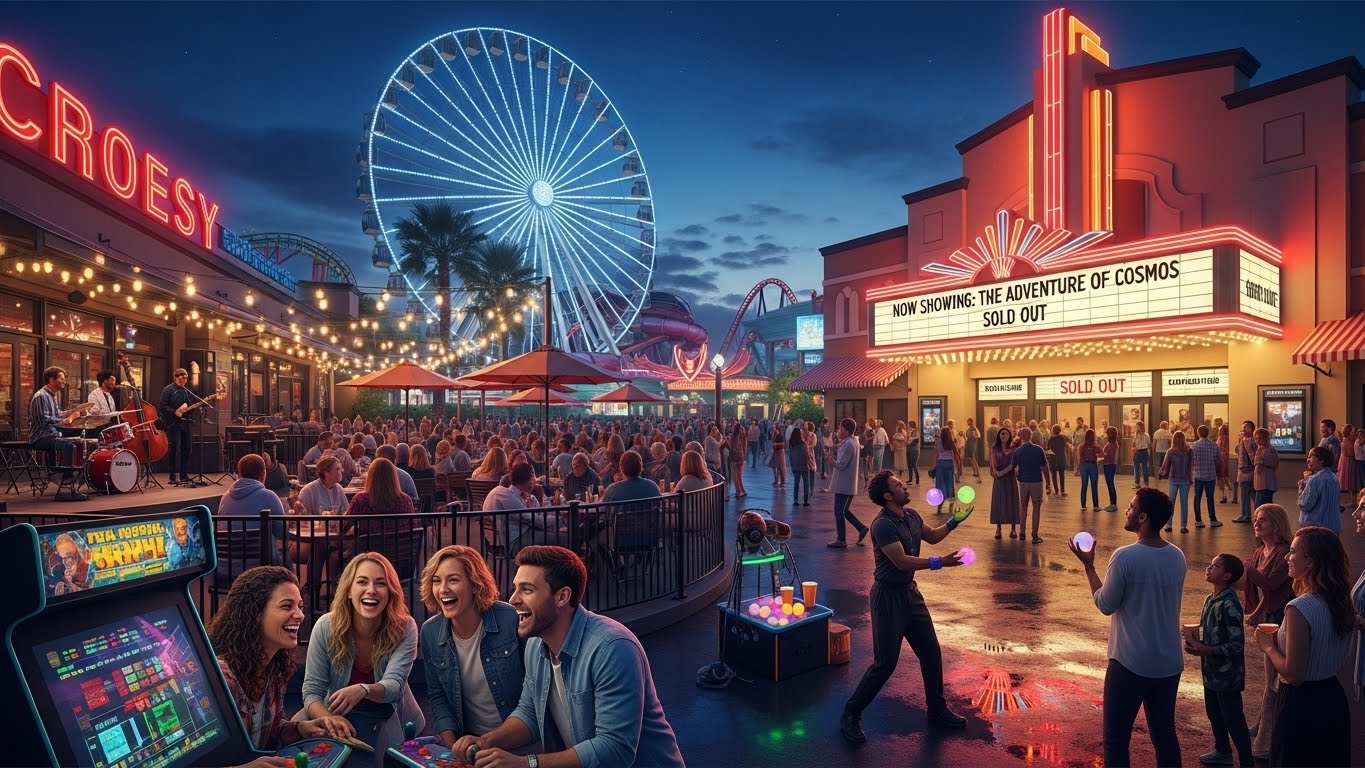
Entertainment is an essential part of the human experience, a vital force that connects individuals, cultures, and generations. Whether through music, film, theatre, literature, or sports, entertainment provides an escape, stimulates imagination, and fosters shared cultural experiences. Its ability to evoke emotion, spark creativity, and unite people is what makes it such an important aspect of society. Over the years, the ways in which we consume and experience entertainment have evolved drastically. From the ancient amphitheaters of Greece to the modern-day streaming platforms, the entertainment landscape has undergone a remarkable transformation, influenced by advances in technology, culture, and societal shifts. In this blog post, we’ll explore the journey of entertainment, its different forms, and how they have shaped our lives.
The Birth of Entertainment: Ancient Civilizations and Their Cultural Practices
Entertainment has existed since the dawn of civilization. Ancient societies recognized the power of entertainment in cultural and social life, with traditions such as storytelling, music, dance, and theatrical performances being central to their communities. In ancient Greece, for instance, theatre was a major form of public entertainment, with dramatic plays performed in open-air amphitheaters. These performances were often held as part of religious festivals, and the stories they told were drawn from mythology and history. Ancient Rome also adopted and adapted Greek entertainment, adding gladiatorial combat as a form of spectacle.
In ancient Egypt, storytelling through oral traditions, music, and dance were used as both entertainment and a means to transmit history and cultural values. Similarly, in China, traditional forms of theatre like Peking opera were developed, mixing music, drama, and acrobatics. These forms of entertainment were not merely for enjoyment; they also served as a reflection of social structures, religious beliefs, and political landscapes. Over time, these early expressions of entertainment laid the groundwork for the broad spectrum of entertainment that would follow.
The Rise of Modern Entertainment: From Theatres to Mass Media
Fast forward to the 19th and 20th centuries, when the development of mass media significantly changed the entertainment industry. The invention of the printing press in the 15th century revolutionized how stories were shared, making literature and plays more accessible to the masses. The theatre remained a dominant form of entertainment throughout the 19th century, especially in Europe and North America, with playwrights such as William Shakespeare, Oscar Wilde, and Anton Chekhov influencing the theatrical world with their timeless works.
However, it was the advent of film and cinema in the early 20th century that completely transformed the entertainment industry. The first moving pictures created a new form of entertainment that captivated audiences like never before. Hollywood emerged as the epicenter of the film industry, producing iconic films that became global phenomena. The rise of radio and television soon followed, giving people access to entertainment right in their own homes. These innovations made entertainment more accessible, creating a shared cultural experience for people worldwide.
The 20th century also saw the growth of music as a form of entertainment, with the rise of popular genres such as jazz, rock ‘n’ roll, and hip-hop. Radio and later television became important mediums for distributing music, turning artists and musicians into global superstars. The rise of music festivals, such as Woodstock and Glastonbury, further demonstrated the power of music to bring people together in a shared celebration of culture.
Entertainment and Technology: A Revolution in Consumption
The relationship between entertainment and technology has always been intertwined. Each technological breakthrough has paved the way for new forms of entertainment, with each step revolutionizing how we consume content. The introduction of the VCR (Video Cassette Recorder) in the 1970s allowed people to watch movies at home, breaking the hold of movie theaters on the entertainment industry. VHS tapes provided unprecedented access to a wide variety of films, enabling audiences to build home collections and watch movies on demand.
The rise of the internet in the late 20th century led to a dramatic shift in the entertainment landscape. The development of digital media and platforms allowed for the distribution of music, movies, and television shows directly to consumers. Websites such as Napster, iTunes, and eventually Spotify revolutionized the music industry, while services like Netflix and Hulu changed the way we watch television and movies. The advent of streaming services has led to a major shift in how audiences engage with entertainment, giving them the power to watch content on-demand, anytime, anywhere.
Social media platforms like Facebook, Instagram, and YouTube also transformed entertainment by giving individuals the ability to create and share content. YouTube became a platform where everyday people could become stars, sharing their own videos, vlogs, and performances with a global audience. Streaming platforms like Twitch gave rise to gaming as a form of entertainment, allowing gamers to share their experiences with others in real time. The power of social media influencers has also reshaped the entertainment industry, with many influencers building massive followings and becoming brand ambassadors, entertainers, and entrepreneurs in their own right.
The Diversity of Entertainment: From Movies to Esports
Today, entertainment is more diverse than ever. The landscape includes a wide variety of media, from traditional forms like film, television, and music to newer forms like online gaming, esports, and virtual reality. Each form offers a unique experience, and individuals can choose the kind of entertainment that best suits their interests.
Film and television remain dominant forms of entertainment, with blockbuster movies and popular TV shows gaining a global following. The rise of streaming platforms like Netflix, Disney+, and Amazon Prime has provided audiences with more choices than ever, allowing them to explore niche genres and international content. TV series such as “Game of Thrones,” “Stranger Things,” and “The Crown” have demonstrated the potential for storytelling to captivate millions of people worldwide, sparking discussions and fan cultures around the globe.
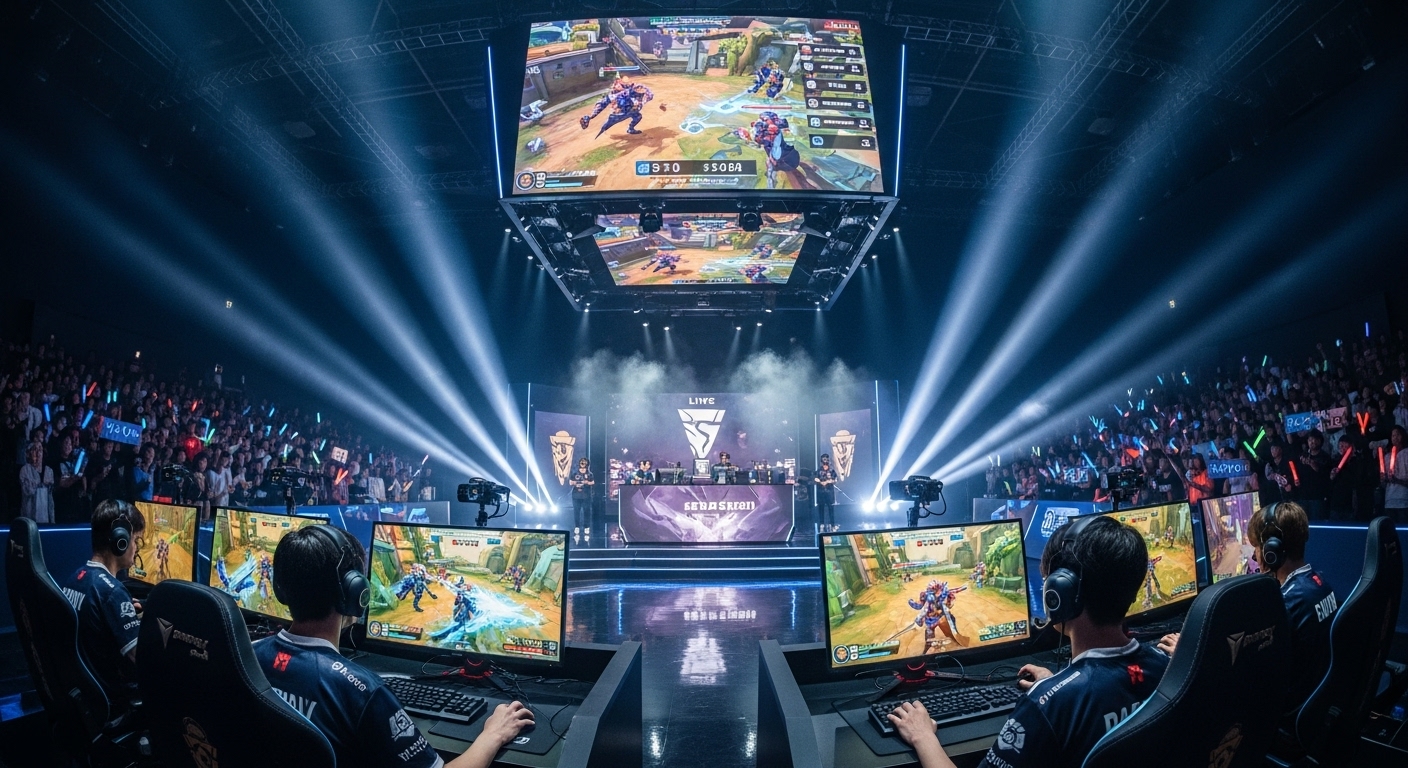
Esports is another rapidly growing form of entertainment that has gained a massive global audience. Video game tournaments, where professional players compete for large cash prizes, attract millions of viewers, often rivaling traditional sports events. Games like “League of Legends,” “Fortnite,” and “Dota 2” have become cultural touchstones, creating communities of dedicated fans who follow their favorite teams and players. Streaming platforms like Twitch and YouTube Gaming have played a significant role in the rise of esports, offering live broadcasts and interactive content that bring viewers closer to the action.
In addition to gaming, virtual reality (VR) and augmented reality (AR) technologies are pushing the boundaries of entertainment. VR experiences allow users to immerse themselves in entirely new worlds, while AR overlays digital elements onto the real world, enhancing interactive experiences. These technologies are being incorporated into gaming, film, and even live events, offering new and exciting ways for audiences to engage with content.
The Impact of Entertainment on Society and Culture
Entertainment plays a vital role in shaping culture and society. It serves as a mirror to reflect societal values, struggles, and aspirations. Music, film, and television often address social issues, from political movements to personal identity, giving people a platform to express their views and challenge the status quo. Pop culture icons like Michael Jackson, Madonna, and Beyoncé have not only shaped the music industry but also influenced fashion, social trends, and activism. Similarly, films like “The Godfather,” “Star Wars,” and “Black Panther” have become cultural landmarks, influencing everything from film production to social commentary.
Entertainment also plays an important role in shaping the global economy. The film, music, and video game industries are worth billions of dollars and employ millions of people worldwide. Hollywood alone is a multi-billion-dollar industry that has not only shaped global entertainment but also created significant economic opportunities. The rise of entertainment platforms such as YouTube, TikTok, and Instagram has enabled new forms of content creation and entrepreneurship, giving rise to new jobs and opportunities for young creators.
The Future of Entertainment: What’s Next?
As we move forward, the entertainment industry will continue to evolve in exciting ways. Virtual reality, augmented reality, and AI are already beginning to reshape how we experience media, and these technologies will likely play a larger role in the future of entertainment. Personalized entertainment, where content is tailored to individual tastes and preferences, is already becoming more prevalent with algorithms used by platforms like Netflix and Spotify. We can expect even more interactivity, with audiences becoming more involved in how stories are told.
Furthermore, the integration of entertainment into everyday life will likely continue. The development of smart devices, wearables, and immersive technologies will blur the line between reality and entertainment, creating new experiences that are deeply integrated into our daily routines. As technology advances, so too will our ability to consume, create, and share entertainment, leading to new forms of engagement, interaction, and enjoyment.
Conclusion: Entertainment’s Enduring Role in Human Life
From its origins in ancient rituals to the global digital platforms of today, entertainment has always played a central role in human life. It has entertained, inspired, educated, and even provoked change. As entertainment continues to evolve with technology, it will remain a vital part of our culture and society, reflecting who we are and where we’re going. Whether through movies, music, sports, or gaming, entertainment connects us, challenges us, and helps us make sense of the world we live in. It is, and always will be, an essential part of the human experience.