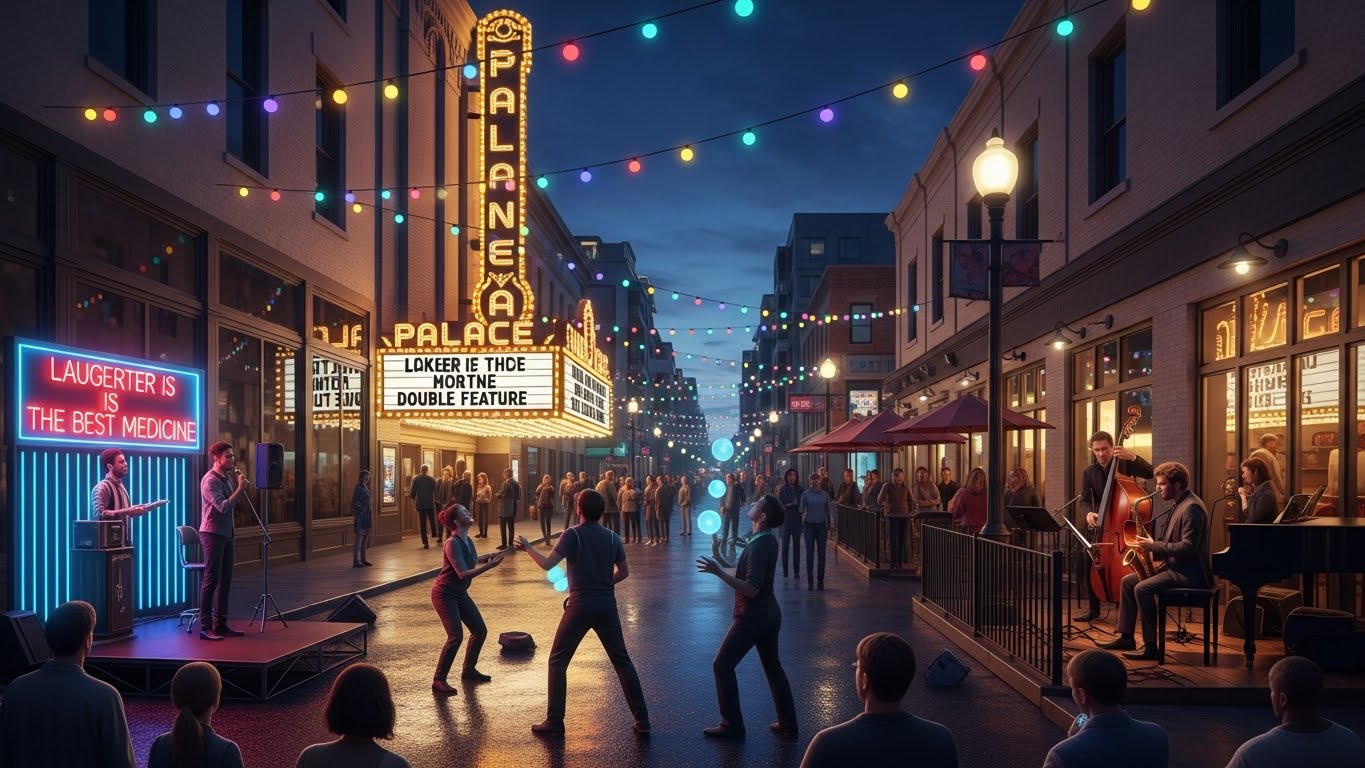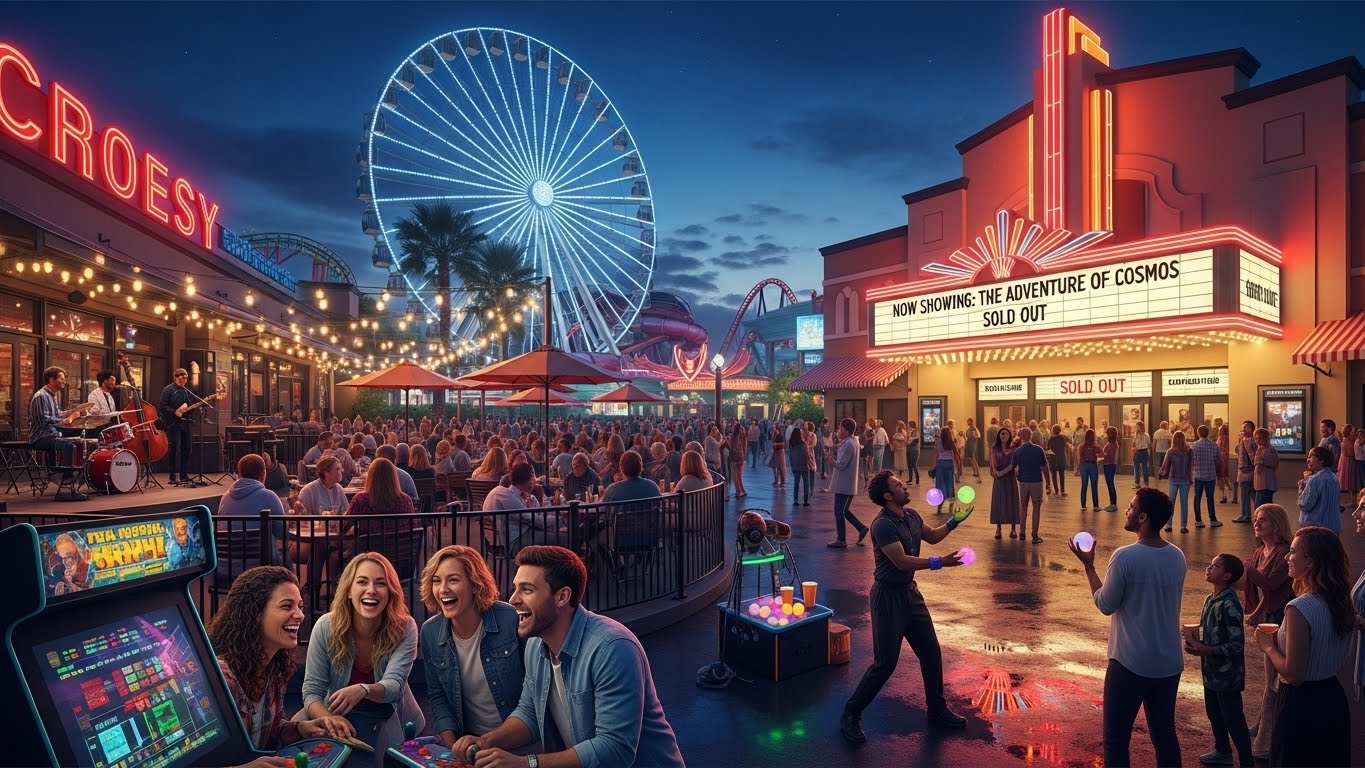
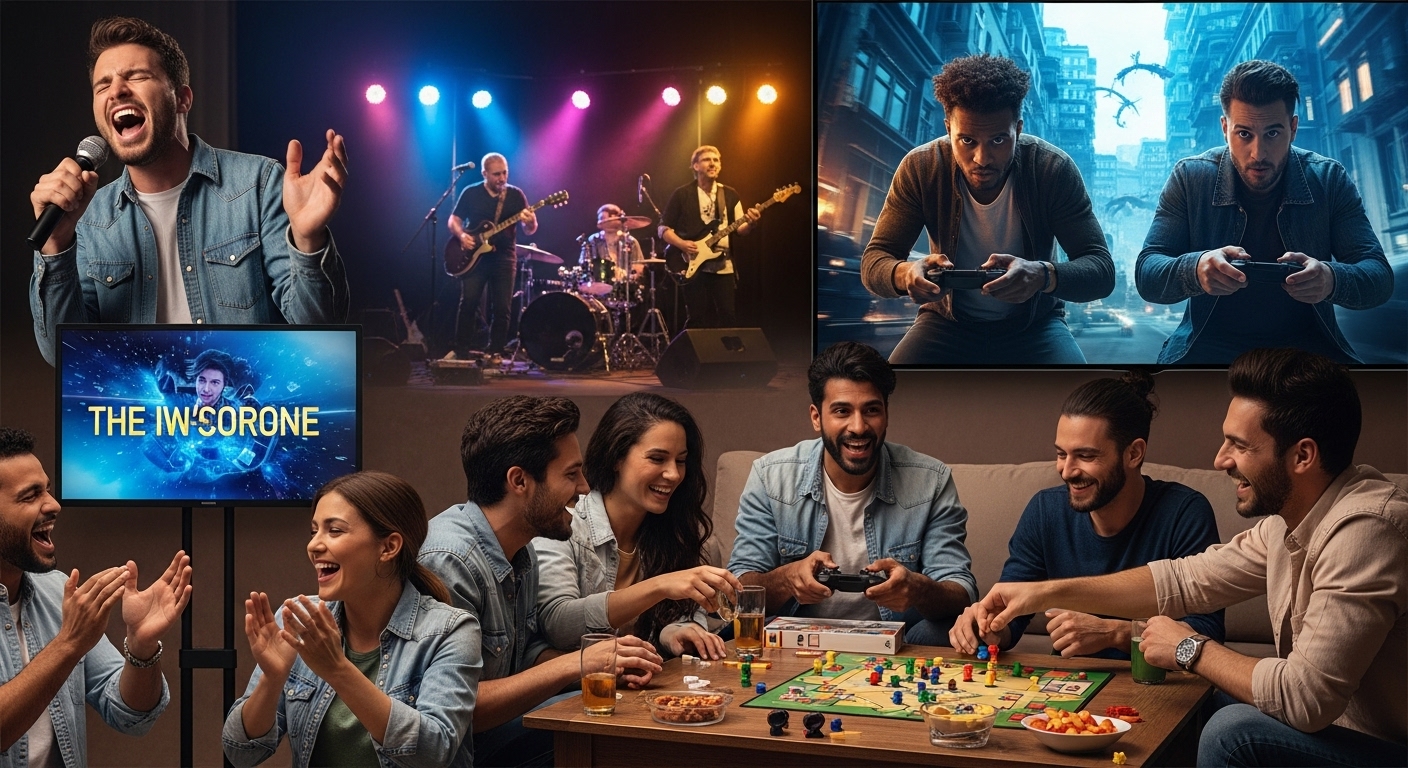
Entertainment has always been a pivotal part of human culture, providing an escape from the realities of life and a source of joy, connection, and creativity. However, with technological advancements, the entertainment industry has witnessed a massive shift in how we consume content, engage with media, and experience the world around us. The world of entertainment is no longer limited to traditional formats like cinema and television—it’s constantly evolving, and with each step, it becomes more dynamic, interactive, and personal.
The Digital Revolution: A New Era of Content Consumption
The rise of digital platforms has fundamentally changed the entertainment landscape. Streaming services such as Netflix, Hulu, Amazon Prime, and Disney+ have taken over the way we consume movies and TV shows. What was once restricted to scheduled broadcast times or a visit to the movie theater is now available on-demand, anytime, anywhere.
This digital shift has also opened the door to a new type of consumer experience. People can binge-watch entire seasons of their favorite shows, curate their own entertainment playlists, and even interact with content across multiple devices. From smartphones to smart TVs, tablets to laptops, entertainment is more accessible than ever before. This shift has not only disrupted traditional media but has also given rise to a more diverse range of content from creators around the world.
Interactive and Immersive Experiences: The Future is Here
Another exciting development in entertainment is the growing trend toward interactive and immersive experiences. Virtual reality (VR), augmented reality (AR), and mixed reality (MR) technologies are becoming mainstream, offering new ways to engage with content. Video games, once a passive form of entertainment, are now experiences where players can fully immerse themselves in virtual worlds.
VR and AR are also making their way into traditional forms of entertainment like movies and concerts. Imagine watching a film and being able to step inside the scene or attending a concert in a virtual arena with people from across the globe. These technologies are blurring the lines between reality and fiction, creating a more engaging, participatory form of entertainment. As the hardware becomes more affordable and the technology improves, we can expect to see more creative and innovative ways to interact with our favorite media.
The Growth of User-Generated Content: Everyone’s a Creator
Perhaps one of the most empowering shifts in entertainment is the rise of user-generated content. Platforms like YouTube, TikTok, and Instagram have democratized the process of content creation, allowing anyone with a smartphone to create and share their own videos, music, and stories. This has led to the emergence of a new wave of creators, some of whom have become global celebrities without ever stepping foot into a traditional studio.
This shift has brought a refreshing diversity of voices and perspectives to the entertainment landscape. People from different cultures, backgrounds, and walks of life are now able to share their experiences and creativity, contributing to a more inclusive and varied entertainment ecosystem. Additionally, with the rise of influencer culture, content creators are not just entertainers—they’re shaping trends, starting conversations, and even influencing purchasing decisions.
The Role of Artificial Intelligence in Shaping Entertainment
Artificial Intelligence (AI) is quickly becoming a key player in shaping the future of entertainment. From scriptwriting to special effects, AI is now being used to enhance the creative process. Machine learning algorithms can analyze trends in audience preferences, helping creators tailor their content to meet the desires of the viewers.
One of the most promising applications of AI in entertainment is in the realm of personalized recommendations. Streaming services use sophisticated algorithms to suggest content based on your viewing history, preferences, and even your mood. This level of personalization not only makes content discovery easier but also ensures that the entertainment we engage with is more aligned with our tastes.
Moreover, AI is being used to enhance the production side of entertainment. In film and television, AI can speed up processes like video editing and special effects generation, allowing creators to focus on the artistic elements of their work. As technology advances, AI will continue to play a larger role in shaping how content is produced, distributed, and consumed.
Sustainability and Ethical Considerations in Entertainment
As the world becomes more environmentally and socially conscious, the entertainment industry is beginning to address sustainability and ethical considerations. Whether it’s adopting eco-friendly practices on movie sets or advocating for more inclusive representation on screen, creators and production companies are increasingly mindful of their impact on society and the environment.
For example, many film and television productions are now taking steps to reduce their carbon footprint, using sustainable materials for set construction, minimizing waste, and reducing energy consumption. Similarly, there is a growing demand for more diverse and accurate representations of people on screen, ensuring that all audiences feel seen and heard.
As entertainment continues to evolve, it’s crucial that creators and consumers alike consider the broader impact of their choices. The future of entertainment is not just about technological innovation—it’s also about creating content that is ethical, inclusive, and environmentally responsible.
Globalization of Entertainment: A Unified Cultural Landscape
The internet has broken down geographic barriers, allowing people from all over the world to access and enjoy entertainment from different cultures. Global streaming platforms have made foreign films, TV shows, and music more accessible than ever before. In turn, this has led to a greater appreciation for international content, with shows like Money Heist and Squid Game gaining massive global followings.
This cross-cultural exchange has not only enriched the entertainment we consume but also opened up new opportunities for creators. Collaborations between artists from different countries and cultural backgrounds are becoming more common, leading to fresh, innovative projects that appeal to a global audience. In a way, entertainment has become a universal language, transcending borders and connecting people from different walks of life.
Conclusion: A Bright Future Ahead
As we move further into the digital age, the future of entertainment looks incredibly promising. With innovations in technology, the rise of user-generated content, and a focus on sustainability and inclusion, the entertainment industry is becoming more diverse, interactive, and personalized.
We are entering an era where entertainment is not just about passive consumption—it’s about active participation. Whether it’s through immersive virtual experiences, personalized recommendations, or creating our own content, the line between consumer and creator is becoming increasingly blurred.
One thing is clear: the future of entertainment is not just about what we watch—it’s about how we engage with it, how it reflects our world, and how it brings us closer together.