Introduction
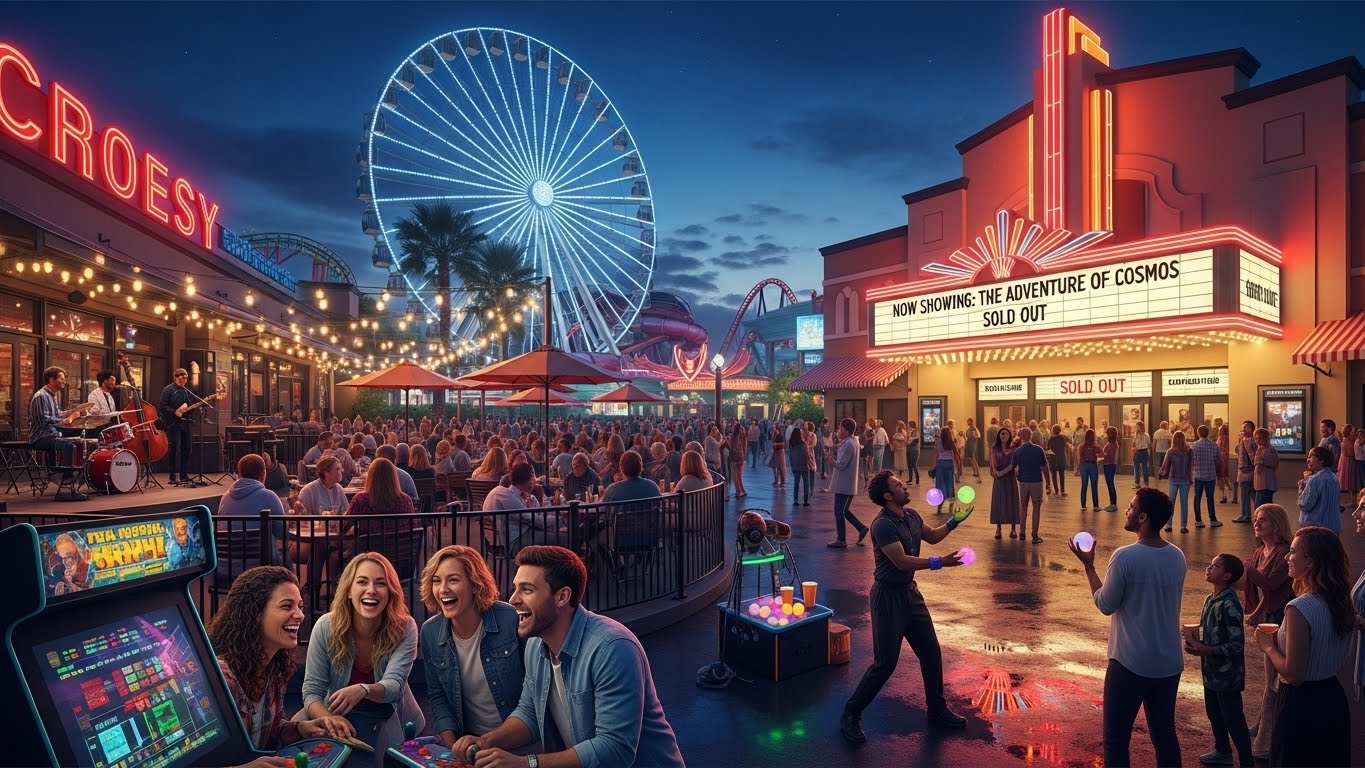
Entertainment is more than a pastime; it is a vital part of human culture and daily life. From ancient storytellers to modern streaming platforms, entertainment has always played a central role in shaping how we perceive the world and connect with others. It offers a way to escape reality, explore creativity, and experience emotions that might otherwise remain dormant. In the modern age, entertainment has evolved into a dynamic industry that combines art, technology, and human imagination. This blog explores the many facets of entertainment and how it continues to influence individuals and society at large.
The Evolution of Storytelling
Storytelling is one of the oldest forms of entertainment, tracing back to early civilizations that passed down myths, legends, and folktales. These stories were not only a source of amusement but also a means to teach values, explain natural phenomena, and preserve history.
In contemporary entertainment, storytelling has reached new heights through films, television series, novels, and digital content. Modern creators craft intricate plots and complex characters that allow audiences to immerse themselves in fictional worlds. Unlike traditional stories that followed linear narratives, today’s storytelling often includes multiple perspectives, unexpected twists, and rich emotional depth. Audiences are no longer passive consumers; they analyze, critique, and even expand stories through fan theories and creative interpretations. This evolution has transformed storytelling into a collaborative experience between creators and audiences.
The Influence of Music on Everyday Life
Music has the power to evoke emotions instantly and connect people across cultures. From classical compositions to modern pop, music reflects human experiences and societal trends. Today, it is more accessible than ever due to technological advancements, allowing listeners to explore diverse genres from all over the world.
Music also plays a crucial role in shaping moods and daily routines. For some, it provides motivation during workouts or focus during study sessions. For others, it evokes nostalgia or offers solace during difficult times. Viral music trends and social media challenges have amplified the cultural influence of music, creating shared experiences that bring people together, even across geographical boundaries. The universality of music makes it a timeless and irreplaceable aspect of entertainment.
The Rise of Interactive Entertainment
Interactive entertainment, particularly video games, has transformed the way people engage with stories and creativity. Video games are no longer just a hobby; they have become immersive experiences that challenge the mind, stimulate problem-solving, and foster social connections.
Modern games offer rich narratives, detailed worlds, and complex character development. Players can influence outcomes, make moral decisions, and explore environments that feel alive. Competitive gaming, or eSports, has turned gaming into a professional arena, attracting millions of viewers and fostering a sense of global community. Interactive entertainment engages the player in a way traditional media cannot, providing both entertainment and a sense of personal agency.
Streaming and the Age of Choice
The advent of streaming platforms has revolutionized how people consume entertainment. Gone are the days of adhering to television schedules; audiences now have access to vast libraries of content anytime, anywhere. This shift has given rise to binge-watching culture, where viewers can immerse themselves in entire series over a few days, leading to deeper engagement with characters and stories.
Streaming platforms also encourage diversity in storytelling. Independent filmmakers, international creators, and niche content find audiences they might not have reached through traditional distribution channels. This democratization of entertainment allows for a richer cultural exchange and introduces viewers to perspectives that expand understanding and empathy. The endless choice of content caters to all tastes and preferences, creating a highly personalized entertainment experience.
Social Media as an Entertainment Platform
Social media has transformed everyday individuals into entertainers. Platforms allow creators to share short videos, comedy sketches, educational content, and personal stories with millions of viewers. This form of entertainment is dynamic, interactive, and immediate, enabling creators to respond directly to audience feedback.
The accessibility of social media has democratized fame, allowing talented individuals to gain recognition without the backing of traditional media institutions. Fans participate actively, commenting, sharing, and even influencing the direction of content. This new era of social entertainment blurs the line between creators and consumers, making the audience a crucial part of the experience.
Live Entertainment: The Human Connection
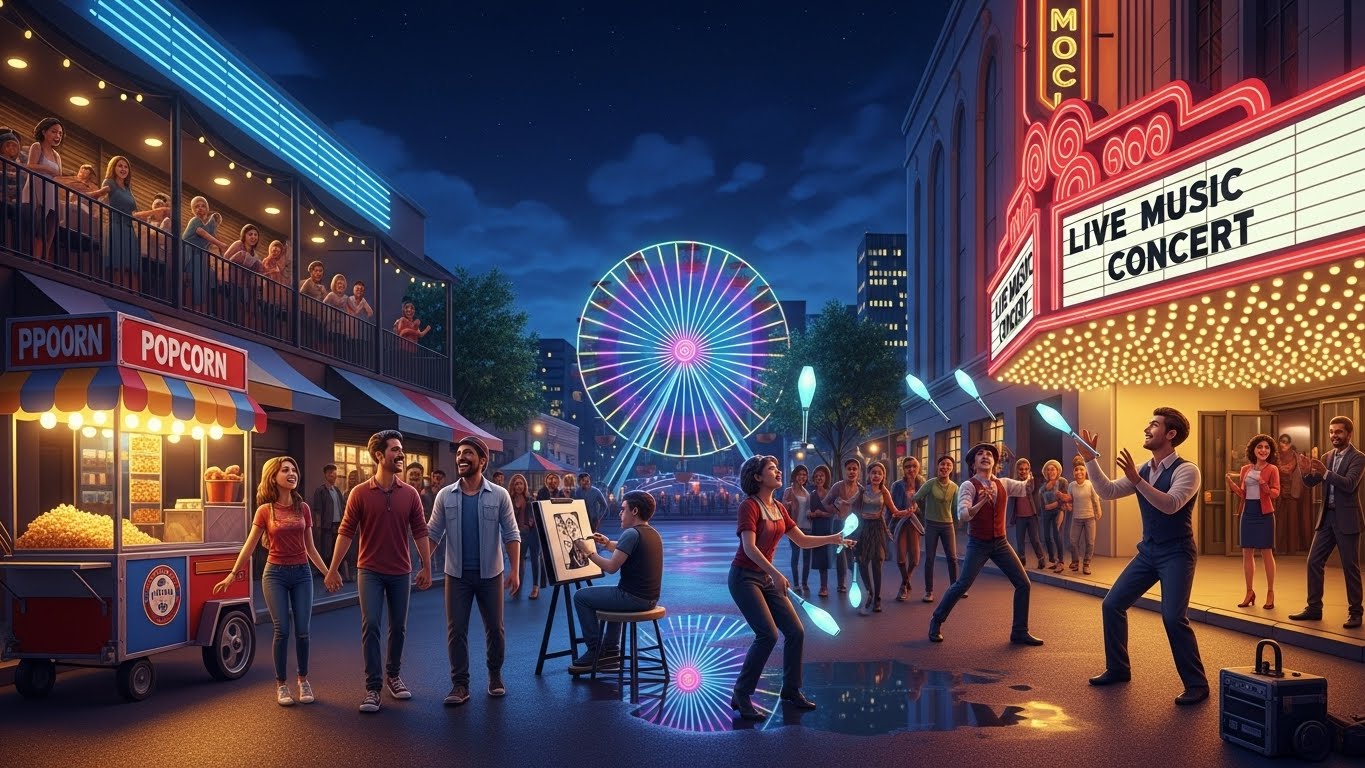
Despite digital advancements, live entertainment retains a unique allure. Concerts, theater performances, festivals, and comedy shows provide an experience that digital formats cannot replicate. The energy of a crowd, the spontaneity of live performances, and the shared emotional experience create memories that last a lifetime.
Live events have evolved to include immersive technologies such as augmented reality and interactive stages. These innovations enhance the experience, making audiences feel like they are part of the story. Live entertainment reminds us of the power of human connection and the communal joy of shared experiences.
Entertainment and Cultural Influence
Entertainment is a reflection of society and a catalyst for cultural change. Movies, music, literature, and games influence fashion, language, and social norms. Iconic characters become cultural symbols, while memorable quotes and scenes enter everyday conversation.
Moreover, entertainment can promote awareness and understanding of social issues. Documentaries, socially conscious films, and inclusive storytelling challenge stereotypes and broaden perspectives. Creators wield significant influence, and audiences increasingly seek content that is not only entertaining but also meaningful and thought-provoking.
Emotional and Psychological Impact of Entertainment
Entertainment serves as an emotional outlet, providing relief from stress and an opportunity for self-reflection. Stories allow people to explore complex emotions safely, while music offers a cathartic release. Video games provide problem-solving opportunities that boost confidence and cognitive skills.
In addition to emotional benefits, entertainment can foster social bonds. Watching a series with friends, attending concerts, or participating in online communities creates shared experiences that strengthen relationships. It reminds us that entertainment is not merely a passive activity but an integral part of human well-being.
Technology and the Future of Entertainment
The future of entertainment is closely tied to technological innovation. Virtual reality and augmented reality offer immersive experiences where audiences can step directly into story worlds. Artificial intelligence has the potential to create interactive films and personalized content tailored to individual preferences.
Even with technological advances, the essence of entertainment will remain the same: connecting people, sparking imagination, and evoking emotions. While the tools may evolve, the human desire for stories, music, and shared experiences will continue to drive the entertainment industry forward.
Conclusion
Entertainment is far more than a diversion; it is a fundamental part of human life that shapes culture, emotion, and imagination. From storytelling and music to interactive media and live experiences, entertainment enriches our lives in countless ways. It allows us to explore new worlds, feel deep emotions, and connect with others across distances and backgrounds.
As technology continues to evolve, the possibilities for entertainment are limitless. Yet, no matter how advanced or immersive it becomes, the true magic of entertainment lies in its ability to inspire, connect, and transform. It reminds us that at the heart of every story, song, and game is the shared human experience—a universal language that continues to captivate generations.