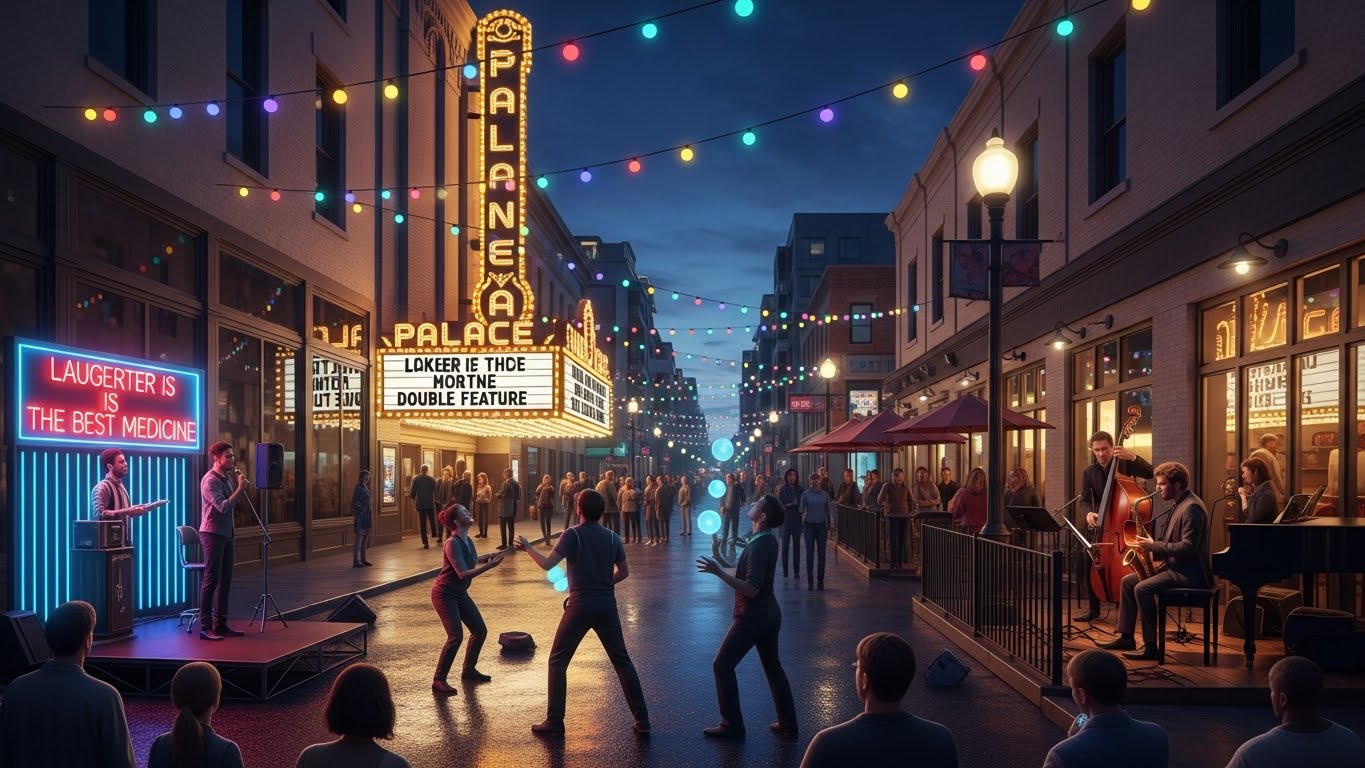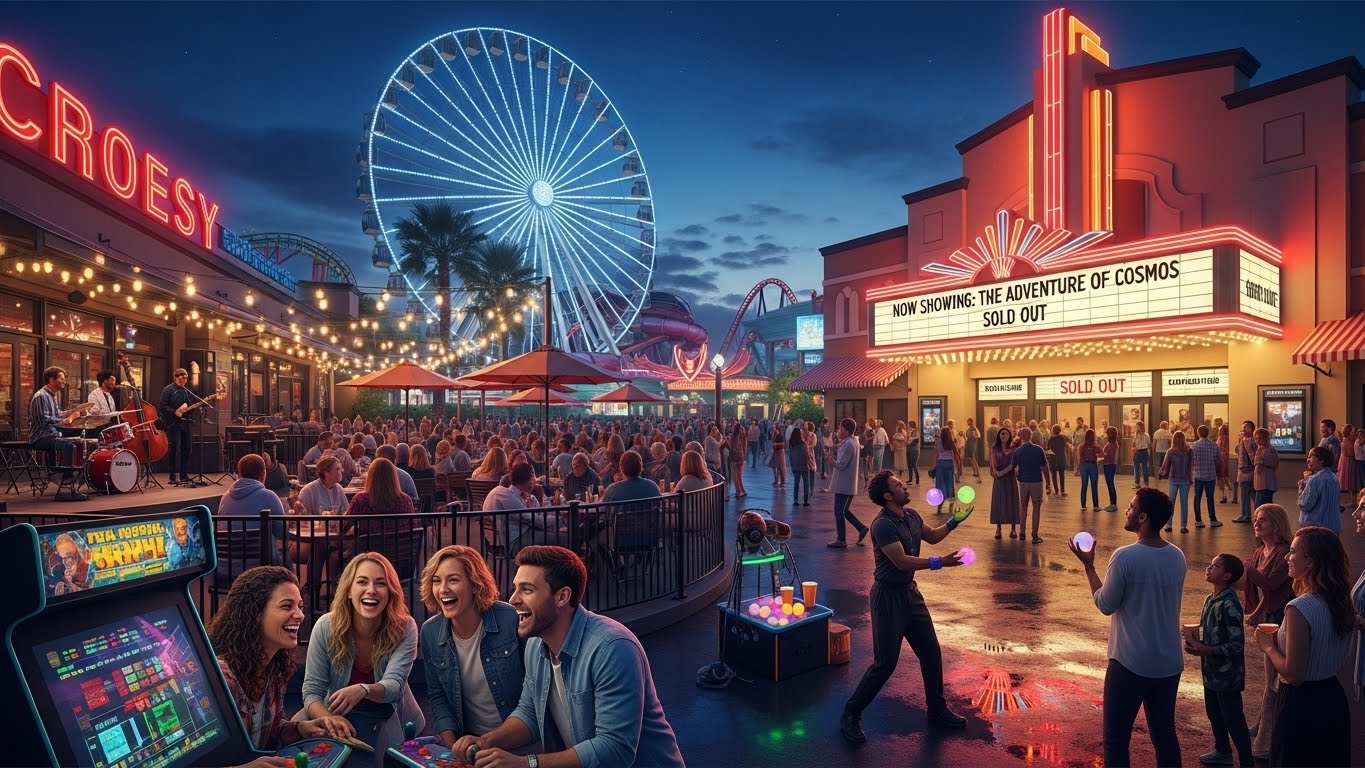
Entertainment is the heartbeat of human culture, a vibrant thread that weaves through the tapestry of everyday life. From the mesmerizing glow of the silver screen to the infectious rhythms of music, from the charm of theatrical performances to the immersive world of gaming, entertainment has a profound ability to capture our imagination, evoke emotion, and bring people together. In this blog, we explore the dynamic landscape of entertainment, its evolution, and its impact on society, all while diving into the experiences that make it so unforgettable.
The Golden Age of Cinema
Cinema has long held a special place in the world of entertainment. From silent films to the advent of sound, black-and-white classics to immersive 3D spectacles, movies have continuously pushed the boundaries of storytelling. The golden age of cinema, which spanned from the 1920s to the 1960s, produced iconic actors, legendary directors, and timeless stories that continue to resonate today.
During this era, movies were more than just a form of amusement; they were a cultural phenomenon. Film studios carefully crafted narratives that reflected societal values, struggles, and aspirations. Stars like Marilyn Monroe, James Stewart, and Audrey Hepburn became household names, embodying not just characters on screen but symbols of an era. Even today, these classic films are revered for their artistry, attention to detail, and the magic of storytelling.
Modern Cinema: Technology Meets Creativity
Fast forward to the 21st century, and cinema has transformed in ways previously unimaginable. Advancements in technology have revolutionized the way movies are made and experienced. Computer-generated imagery (CGI) allows filmmakers to create fantastical worlds and creatures, blurring the lines between reality and imagination. Motion capture technology brings characters to life in ways that were once impossible, offering audiences a truly immersive experience.
Franchise filmmaking has also taken center stage, with universes like the Marvel Cinematic Universe captivating global audiences. These interconnected stories provide a unique sense of continuity and excitement, keeping fans eagerly anticipating the next installment. Beyond blockbuster franchises, independent films continue to thrive, showcasing diverse voices and narratives that challenge societal norms and provoke thought.
The Magnetic Power of Music
While movies engage our eyes, music speaks directly to the soul. Music is one of the most universal forms of entertainment, transcending language, culture, and geography. From classical symphonies to modern pop hits, music has the power to evoke emotion, inspire action, and unite communities.
The evolution of music has been remarkable. In the early 20th century, jazz and blues dominated the scene, offering raw, emotional storytelling through melody. The rise of rock and roll in the 1950s brought a rebellious energy, challenging social conventions and igniting cultural revolutions. As the decades progressed, genres like hip-hop, electronic dance music, and K-pop emerged, reflecting the ever-changing tastes and influences of global audiences.
Live performances remain a cornerstone of musical entertainment. Concerts provide an unparalleled experience, allowing fans to connect with artists on a personal level. The energy of a live crowd, the visual spectacle, and the emotional resonance of music combine to create moments that linger long after the last note fades.
Television: The Rise of Streaming and Original Content
Television has undergone a significant transformation over the past few decades. Once limited to a handful of channels and fixed broadcast schedules, TV has now entered the era of on-demand streaming. Platforms offering original content, binge-worthy series, and international shows have redefined how audiences consume entertainment.
This shift has democratized storytelling, enabling creators from diverse backgrounds to reach global audiences without the traditional constraints of network television. Series like epic fantasy sagas, gritty crime dramas, and thought-provoking documentaries are accessible anytime, anywhere, providing endless entertainment options for viewers.
The binge-watching culture has also impacted storytelling techniques. Writers now craft long-form narratives with intricate character arcs and plot twists that keep audiences engaged for hours on end. Television has truly become a space where art, technology, and audience engagement converge in exciting new ways.
Theater: A Timeless Form of Entertainment
While digital entertainment dominates the modern landscape, live theater continues to captivate audiences with its immediacy and intimacy. Theater offers a unique form of storytelling, combining acting, music, set design, and choreography to create a holistic experience. Whether it’s a Broadway musical, a Shakespearean tragedy, or a contemporary play, theater invites audiences into a shared emotional journey that is both fleeting and unforgettable.
The appeal of theater lies in its human connection. Unlike films or television, every performance is unique, influenced by the energy of the audience and the spontaneity of the actors. This ephemeral quality makes theater a powerful medium for exploring the depths of human emotion, societal issues, and creative expression.
Gaming: The New Frontier of Entertainment
In recent decades, video games have emerged as a dominant form of entertainment, combining storytelling, art, and interactivity. Modern gaming offers experiences that rival films in their narrative depth and visual fidelity. From open-world adventures to competitive esports, games engage players in ways that are both immersive and participatory.
Gaming has also fostered vibrant communities, connecting people across the globe through shared experiences. Online multiplayer games allow players to collaborate, compete, and form friendships that transcend borders. Meanwhile, indie game developers continue to innovate, crafting unique worlds and mechanics that challenge traditional gaming conventions.
The rise of virtual reality and augmented reality further pushes the boundaries of entertainment, creating fully immersive experiences that blur the line between the digital and physical worlds. In this way, gaming represents not just play but a new form of storytelling and human connection.
The Influence of Social Media on Entertainment
Social media platforms have dramatically reshaped the entertainment landscape. From viral videos to influencer-driven content, social media provides a platform for creativity, humor, and expression on a global scale. Artists, comedians, and performers can reach millions without traditional gatekeepers, redefining what it means to be an entertainer.
Platforms like TikTok, Instagram, and YouTube allow audiences to engage directly with creators, offering instant feedback and interaction. This interactivity has given rise to trends, challenges, and viral phenomena that shape popular culture. Social media has made entertainment more immediate, participatory, and democratized, giving a voice to diverse talents from all walks of life.
Celebrity Culture and Its Impact
Celebrities have long been a focal point of entertainment. From actors and musicians to influencers and athletes, public figures captivate audiences with their talent, charisma, and lifestyle. Celebrity culture shapes fashion, trends, and social norms, reflecting society’s fascination with fame and aspiration.
While celebrity culture can inspire and entertain, it also raises questions about privacy, pressure, and societal expectations. Audiences are increasingly aware of the human behind the persona, and there is a growing emphasis on authenticity and social responsibility in public life. Regardless, celebrities continue to play a central role in the narrative of entertainment, influencing tastes, opinions, and cultural conversations.
Festivals, Awards, and Celebrations of Creativity
Entertainment is not just about consumption—it is also about celebration. Film festivals, music awards, and theatrical showcases highlight artistic achievements, foster community, and inspire future creators. Events like the Oscars, Grammys, and Cannes Film Festival offer platforms for recognition while drawing global attention to creative works that might otherwise go unnoticed.
These celebrations also highlight the collaborative nature of entertainment. Behind every performance, movie, or song is a team of writers, directors, musicians, and technicians who contribute to the final product. Festivals and awards honor this collective effort, reminding audiences of the artistry and dedication involved in creating compelling entertainment.
The Psychological and Social Benefits of Entertainment
Beyond enjoyment, entertainment plays a crucial role in mental health and social connection. Movies, music, games, and performances offer an escape from the stresses of everyday life, providing relaxation, inspiration, and emotional release. Shared experiences, such as attending a concert or watching a movie with friends, strengthen social bonds and foster a sense of community.
Moreover, entertainment can be a vehicle for learning and empathy. Thought-provoking films, documentaries, and literature expose audiences to diverse perspectives, encouraging reflection and understanding. In this way, entertainment serves both a recreational and transformative function, enriching lives while sparking curiosity and dialogue.
The Future of Entertainment
As technology continues to evolve, the future of entertainment promises even more innovation. Artificial intelligence, virtual reality, and immersive technologies will transform storytelling, creating experiences that are increasingly personalized and interactive. The lines between creator and audience may blur further, allowing individuals to shape narratives, participate in worlds, and co-create entertainment in unprecedented ways.
Globalization and digital connectivity will continue to democratize entertainment, giving voices to underrepresented communities and fostering cross-cultural exchange. Meanwhile, the timeless appeal of storytelling—whether through music, film, theater, or games—will remain a constant, reminding us of the power of creativity and imagination.
Conclusion
Entertainment is more than a pastime; it is a reflection of humanity itself. Through movies, music, theater, games, and digital media, we explore our dreams, confront our fears, and celebrate our shared experiences. It evolves with technology, adapts to societal shifts, and continually finds new ways to captivate, inspire, and connect.
As audiences, we are both spectators and participants, shaping and being shaped by the worlds of entertainment we engage with. From the glow of a movie screen to the pulse of a live concert, from the immersive universe of video games to the shared joy of a viral social media moment, entertainment remains an enduring, dynamic force in our lives—a source of wonder, laughter, and inspiration that will continue to evolve for generations to come.